

Kalam Kitaab
Zafarnama ( ਜ਼ਫ਼ਰਨਾਮਾ ) Book - Gurbachan Singh Makin
Zafarnama ( ਜ਼ਫ਼ਰਨਾਮਾ ) Book - Gurbachan Singh Makin
Couldn't load pickup availability
Share
"Zafarnama" ਗੁਰਬਚਨ ਸਿੰਘ ਮਾਕਿਨ ਦੀ ਇੱਕ ਮਹੱਤਵਪੂਰਨ ਪੰਜਾਬੀ ਕਿਤਾਬ ਹੈ ਜੋ ਸ੍ਰੀ ਗੁਰੂ ਗੋਬਿੰਦ ਸਿੰਘ ਜੀ ਵੱਲੋਂ ਔਰੰਗਜ਼ੇਬ ਨੂੰ ਲਿਖੇ ਗਏ ਇਤਿਹਾਸਕ ਜ਼ਫ਼ਰਨਾਮੇ ਅਤੇ ਇਸ ਨਾਲ ਜੁੜੇ ਇਤਿਹਾਸਕ, ਧਾਰਮਿਕ ਅਤੇ ਵਿਚਾਰਧਾਰਕ ਪੱਖਾਂ ਨੂੰ ਸਮਝਣ ਵਿੱਚ ਸਹਾਇਤਾ ਕਰਦੀ ਹੈ। Zafarnama ਸਿਰਫ਼ ਇੱਕ ਇਤਿਹਾਸਕ ਪੱਤਰ ਦਾ ਵਰਣਨ ਨਹੀਂ, ਸਗੋਂ ਸੱਚ, ਧਰਮ, ਨੈਤਿਕਤਾ, ਹਿੰਮਤ ਅਤੇ ਜ਼ੁਲਮ ਦੇ ਵਿਰੁੱਧ ਖੜ੍ਹੇ ਹੋਣ ਦੀ ਭਾਵਨਾ ਨੂੰ ਵੀ ਉਜਾਗਰ ਕਰਦੀ ਹੈ। ਗੁਰੂ ਗੋਬਿੰਦ ਸਿੰਘ ਜੀ ਦੀ ਨਿਡਰਤਾ ਅਤੇ ਸਿਧਾਂਤਾਂ ਪ੍ਰਤੀ ਦ੍ਰਿੜ੍ਹਤਾ ਨੂੰ ਸਮਝਣ ਲਈ Zafarnama ਇੱਕ ਮਹੱਤਵਪੂਰਨ ਪੜ੍ਹਾਈ ਹੈ।
"Zafarnama" by Gurbachan Singh Makin is an important Punjabi work that explores the historical Zafarnama, the renowned letter written by Guru Gobind Singh Ji to Mughal emperor Aurangzeb. Zafarnama provides readers with an opportunity to understand the historical context, principles, courage, and moral strength reflected in Guru Gobind Singh Ji's powerful message. Through its focus on truth, justice, righteousness, and resistance against oppression, Zafarnama offers valuable insight into Sikh history and the extraordinary character of Guru Gobind Singh Ji.
Book Title: Zafarnama
Author: Gurbachan Singh Makin
Language: Punjabi (Gurmukhi)
Genre: Sikh History / Religious Literature / Historical Writing / Sikh Studies
Available at: Kalam Kitaab
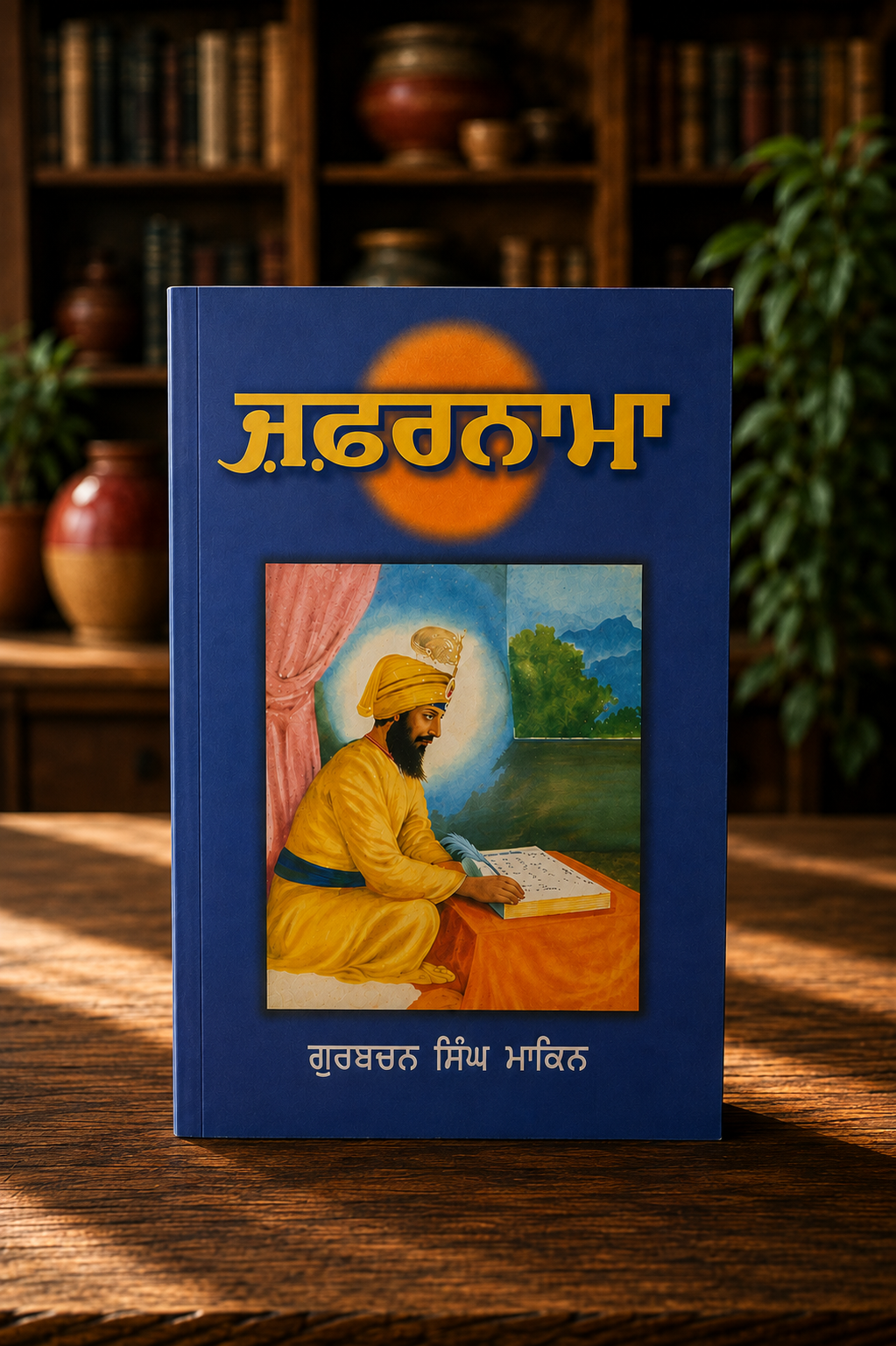
Zafarnama (ਜ਼ਫ਼ਰਨਾਮਾ) – Gurbachan Singh Makin
A Powerful Literary and Historical Exploration of Guru Gobind Singh Ji’s Zafarnama
Zafarnama (ਜ਼ਫ਼ਰਨਾਮਾ) by Gurbachan Singh Makin is a significant work centred on one of the most powerful historical and spiritual letters associated with Sri Guru Gobind Singh Ji. The Zafarnama, traditionally understood as the “Letter of Victory,” was written by Guru Gobind Singh Ji to Mughal Emperor Aurangzeb after the events surrounding the battles and hardships faced by the Sikhs.
The Zafarnama is remembered not merely as a historical letter but as a remarkable expression of courage, moral conviction, truth, and spiritual strength. Guru Gobind Singh Ji's words challenge political power while simultaneously presenting a deeper understanding of righteousness, justice, and the responsibility of a ruler.
Gurbachan Singh Makin's work provides readers with an opportunity to explore this important text and its historical significance in Punjabi.
The Meaning of Zafarnama
The word Zafarnama is generally translated as “Letter of Victory.” At first glance, the title may appear surprising because Guru Gobind Singh Ji had experienced enormous losses during this period.
The Sikh community had endured battles, separation, persecution, and the martyrdom of members of the Guru's family. Yet Guru Gobind Singh Ji's spirit remained unbroken.
This gives the idea of “victory” a deeper meaning.
Victory is not necessarily determined by territory, military strength, or political power. It can also mean maintaining truth, courage, principles, and moral integrity despite severe adversity.
In this sense, the Zafarnama presents a powerful concept of victory based on righteousness rather than material success.
Guru Gobind Singh Ji and Aurangzeb
The Zafarnama is addressed to Mughal Emperor Aurangzeb, one of the most powerful rulers of the time.
The relationship between the Sikh community and the Mughal authorities had become increasingly difficult. Political conflict, military confrontations, and broken promises had created an atmosphere of distrust.
Guru Gobind Singh Ji's letter directly addresses the conduct of the emperor and those acting under his authority.
What makes the letter remarkable is the confidence with which the Guru addresses a powerful ruler. The letter does not display fear or submission. Instead, it presents a moral challenge.
The Guru speaks from a position grounded in truth and principle rather than worldly authority.
Truth Above Political Power
One of the central ideas associated with the Zafarnama is that political authority does not automatically make a person morally correct.
A ruler may possess armies, wealth, territory, and institutional power, but these cannot replace honesty and justice.
Guru Gobind Singh Ji's words therefore establish an important moral principle: authority carries responsibility.
A ruler who violates promises or acts unjustly cannot claim moral superiority merely because of political power.
This idea remains relevant far beyond the historical circumstances of the Zafarnama.
The Concept of Righteousness
The Zafarnama reflects the importance of righteousness and ethical conduct.
Guru Gobind Singh Ji challenges actions that contradict principles of truth and honour. The letter therefore becomes a discussion about the difference between power and justice.
For the Guru, strength was not simply physical. Spiritual courage and moral clarity were equally important.
The ability to stand for truth even in extremely difficult circumstances becomes one of the most powerful lessons associated with the text.
Courage in the Face of Adversity
The historical circumstances surrounding the Zafarnama were extraordinarily difficult.
Guru Gobind Singh Ji and the Sikh community had experienced major losses. Yet the Guru continued to demonstrate extraordinary courage.
The Zafarnama reflects this strength.
Instead of allowing suffering to produce fear or helplessness, Guru Gobind Singh Ji transformed adversity into an opportunity to speak truth to power.
This is one of the reasons the Zafarnama has remained deeply influential in Sikh thought.
The Idea of Moral Victory
The concept of victory in the Zafarnama is especially significant.
Material circumstances can change. Kingdoms rise and fall, rulers come and go, and political boundaries shift. But moral principles can survive across generations.
The Zafarnama presents victory as remaining faithful to truth even when circumstances appear unfavourable.
This interpretation makes the work relevant to modern readers as well. It encourages people to consider whether success should be measured only through external achievements or also through integrity and courage.
The Importance of Keeping One's Word
A major ethical issue connected with the Zafarnama is the importance of promises.
Trust between individuals and communities depends heavily on keeping one's word. When promises are broken, relationships and institutions lose credibility.
Guru Gobind Singh Ji's criticism of dishonesty therefore carries a universal message.
Whether in politics, business, personal relationships, or everyday life, integrity remains essential for trust.
The Zafarnama encourages readers to understand that words carry responsibility.
Spiritual Strength
Although the Zafarnama addresses a political ruler, its foundation is deeply connected with spirituality.
Guru Gobind Singh Ji's confidence does not come merely from military strength. It comes from faith, moral conviction, and a sense of divine justice.
This combination of spirituality and courage gives the text its distinctive character.
The letter demonstrates how spiritual strength can allow an individual to confront overwhelming worldly power without surrendering inner freedom.
The Historical Importance of Zafarnama
The Zafarnama is an important historical source for understanding the relationship between Guru Gobind Singh Ji and the Mughal Empire during a critical period.
It also provides insight into the values and political circumstances of the time.
For readers interested in Sikh history, the text provides a direct connection to the voice and perspective of Guru Gobind Singh Ji.
Gurbachan Singh Makin's work helps bring this important subject to Punjabi readers in an accessible literary form.
Themes Explored in Zafarnama
The work explores powerful themes such as:
- Truth
- Justice
- Courage
- Moral victory
- Spiritual strength
- Political power
- Responsibility
- Honour
- Integrity
- Broken promises
- Righteousness
- Resistance against injustice
- Faith
- Sikh history
- Guru Gobind Singh Ji's philosophy
These themes make Zafarnama much more than a historical text. It becomes a work of moral and philosophical reflection.
Who Should Read Zafarnama?
Zafarnama (ਜ਼ਫ਼ਰਨਾਮਾ) is an excellent choice for readers interested in:
- Guru Gobind Singh Ji
- Sikh history
- Sikh philosophy
- Mughal-era Punjab
- Zafarnama
- Sikh literature
- Historical writings
- Spiritual thought
- Leadership
- Courage and justice
- Moral philosophy
It can be especially valuable for readers who want to understand the historical and ethical significance of Guru Gobind Singh Ji's famous communication with Aurangzeb.
Why Add Zafarnama to Your Collection?
The importance of the Zafarnama extends beyond its historical setting. Its ideas about truth, courage, integrity, justice, leadership, and moral responsibility continue to resonate with readers.
Gurbachan Singh Makin's work provides Punjabi readers with an opportunity to explore this important chapter of Sikh history and engage with the deeper ideas surrounding Guru Gobind Singh Ji's letter.
For anyone building a collection of Sikh history, Punjabi literature, or books about Guru Gobind Singh Ji, Zafarnama is a significant addition.
Its central message is powerful: worldly power may create fear, but moral courage can stand above it.
The Deeper Meaning of Zafarnama
Zafarnama (ਜ਼ਫ਼ਰਨਾਮਾ) is remembered as one of the most remarkable expressions of courage, truth, faith, and moral resistance in Sikh history. Associated with Sri Guru Gobind Singh Ji, the Zafarnama presents a powerful confrontation between spiritual and moral authority on one side and worldly political power on the other.
Written in Persian and addressed to Mughal Emperor Aurangzeb, the letter emerged from a period of immense hardship. The Sikh community had faced warfare, persecution, betrayal, displacement, and profound personal losses. Yet the Guru's voice remained confident and uncompromising.
This is what makes the Zafarnama so powerful: it demonstrates that defeat in a material sense does not necessarily mean defeat in the moral or spiritual sense.
Victory Beyond the Battlefield
The title Zafarnama, commonly understood as “Letter of Victory,” invites readers to reconsider what victory actually means.
A conventional understanding of victory may involve defeating an enemy, gaining territory, or achieving political power. But the Zafarnama presents another possibility.
A person can experience tremendous suffering and still remain victorious if they do not abandon truth, courage, faith, and principles.
Guru Gobind Singh Ji's circumstances make this idea particularly meaningful. Despite enormous losses, the Guru did not present himself as defeated. Instead, the letter demonstrates an extraordinary sense of moral confidence.
The deeper victory lies in refusing to surrender one's principles.
Speaking Truth to Power
One of the most striking features of the Zafarnama is the directness with which Guru Gobind Singh Ji addresses Aurangzeb.
Aurangzeb was one of the most powerful rulers of the era. He commanded an enormous empire and possessed considerable political and military authority.
Yet Guru Gobind Singh Ji did not allow the emperor's position to prevent him from questioning injustice and dishonesty.
This creates a timeless lesson about the relationship between power and truth.
Authority should never become a reason to abandon moral judgment. Those who possess power have an even greater responsibility to act with justice and integrity.
The Responsibility of Leadership
The Zafarnama also provides an important perspective on leadership.
A ruler is not judged only by the size of an empire or the strength of an army. Leadership also involves keeping promises, protecting justice, treating people fairly, and maintaining moral responsibility.
When authority becomes separated from ethics, political power can become oppressive.
Guru Gobind Singh Ji's communication with Aurangzeb therefore raises a broader question: what makes a leader worthy of respect?
The Zafarnama suggests that genuine authority requires more than position. It requires character.
The Importance of Truth
Truth is at the centre of the moral spirit of the Zafarnama.
The letter does not attempt to hide difficult realities. Instead, it confronts them directly.
This willingness to speak honestly even under dangerous circumstances represents extraordinary courage.
Truth can sometimes be uncomfortable, especially when it challenges powerful individuals. But without truth, justice and trust become difficult to maintain.
The Zafarnama therefore presents truth not simply as a personal virtue but as a foundation for society and leadership.
Promises and Trust
The issue of promises is another important dimension associated with the Zafarnama.
A promise creates trust between people. When that trust is broken, the consequences can extend far beyond a single disagreement.
The historical circumstances surrounding Guru Gobind Singh Ji's interactions with Mughal authorities make this issue particularly significant.
The Zafarnama reminds readers that giving one's word carries responsibility. A person's character can be measured partly by whether their actions remain consistent with their promises.
This lesson remains relevant in modern life, where trust is essential in families, friendships, professional relationships, institutions, and public leadership.
Faith During Difficult Times
The Zafarnama also demonstrates the relationship between faith and courage.
Guru Gobind Singh Ji's confidence cannot be understood simply through military strength. His strength was rooted in a deep spiritual conviction.
Faith gave the courage to confront adversity without surrendering to fear.
This makes the Zafarnama meaningful beyond its historical circumstances. It encourages readers to consider how inner conviction can help people survive difficult periods.
Faith, in this sense, becomes a source of resilience.
The Khalsa Spirit
The historical period surrounding the Zafarnama is closely connected with the development and strengthening of the Khalsa under Guru Gobind Singh Ji.
The Khalsa represented a community committed to courage, discipline, equality, spiritual awareness, and resistance against injustice.
The spirit reflected in the Zafarnama is consistent with these ideals.
The message is not one of aggression for its own sake. Rather, it emphasizes the responsibility to stand against injustice and to protect truth and dignity.
This distinction is important when understanding the broader philosophy associated with Guru Gobind Singh Ji.
Resistance and Responsibility
Resistance against injustice requires courage, but courage must also be guided by responsibility.
The Zafarnama demonstrates that resistance is not simply opposition. It can involve standing firmly for principles while maintaining moral discipline.
This creates a valuable lesson for readers: strength becomes meaningful when it is used for a just purpose.
The work therefore presents courage not as uncontrolled anger but as the ability to remain steady when faced with pressure and injustice.
The Spiritual and Political Dimensions
The Zafarnama occupies an interesting position because it can be read simultaneously as a historical political document and as a spiritual and ethical text.
Historically, it provides insight into the conflict between Guru Gobind Singh Ji and the Mughal authorities.
Philosophically, it raises questions about justice, truth, leadership, promises, and moral responsibility.
Spiritually, it demonstrates confidence in divine justice and the ability to remain steadfast in difficult circumstances.
These dimensions make the Zafarnama richer than a simple historical letter.
Lessons for Modern Readers
Although the Zafarnama belongs to a very different historical period, many of its ethical ideas remain relevant.
Modern readers can draw lessons about:
- Standing firmly for truth
- Keeping one's promises
- Questioning injustice
- Maintaining dignity during adversity
- Using power responsibly
- Developing moral courage
- Remaining faithful to one's principles
- Learning from difficult experiences
- Distinguishing material success from moral victory
- Combining strength with responsibility
These principles can apply to personal life, leadership, education, professional environments, and society.
The Meaning of Courage
Courage is often misunderstood as the absence of fear.
A deeper understanding of courage is the willingness to act according to one's principles despite fear, uncertainty, or personal cost.
The Zafarnama represents this deeper form of courage.
Guru Gobind Singh Ji had experienced tremendous loss, yet the letter does not communicate helplessness. Instead, it demonstrates confidence, clarity, and determination.
For readers, this can become a powerful reminder that difficult circumstances do not have to determine one's character.
Why Zafarnama Continues to Matter
The continued importance of the Zafarnama lies in its ability to connect history with universal human values.
It belongs to a specific historical moment, but its questions are much broader:
What is true victory?
What makes leadership legitimate?
What happens when promises are broken?
How should a person respond to injustice?
Can moral courage overcome worldly power?
What does it mean to remain faithful to one's principles?
These questions remain relevant regardless of time or place.
Who Should Read Zafarnama?
Zafarnama (ਜ਼ਫ਼ਰਨਾਮਾ) is an excellent choice for readers interested in:
- Guru Gobind Singh Ji
- Sikh history
- Sikh philosophy
- Khalsa history
- Mughal-era Punjab
- Persian Sikh literature
- Historical writings
- Leadership and ethics
- Courage and justice
- Spiritual reflection
- Moral philosophy
- Punjabi historical literature
It can be particularly meaningful for readers who want to understand the historical context and deeper ethical significance of Guru Gobind Singh Ji's communication with Aurangzeb.
Why Add Zafarnama to Your Collection?
Zafarnama is an important work for anyone interested in understanding one of the most significant episodes associated with Guru Gobind Singh Ji.
Its importance lies not only in the historical events surrounding it but also in the principles it represents—truth, courage, dignity, justice, faith, responsibility, and moral strength.
Gurbachan Singh Makin's work provides readers with an opportunity to explore this subject in Punjabi and engage with the historical and philosophical significance of the Zafarnama.
For a collection focused on Sikh history, Guru Gobind Singh Ji, Punjabi literature, Sikh philosophy, and historical writings, it is a valuable addition.
Final Thoughts
Zafarnama (ਜ਼ਫ਼ਰਨਾਮਾ) – Gurbachan Singh Makin presents an opportunity to explore one of the most powerful episodes in Sikh history through the words and spirit associated with Guru Gobind Singh Ji.
Its greatest strength lies in its understanding of victory. Victory is not always determined by armies, territory, wealth, or political power. Sometimes the greatest victory is the ability to preserve truth and dignity when circumstances are overwhelmingly difficult.
The Zafarnama demonstrates the courage required to speak truth to authority, the importance of keeping one's word, and the responsibility that accompanies power. It also reflects the spiritual resilience that allowed Guru Gobind Singh Ji to face extraordinary adversity without surrendering his principles.
For readers interested in Sikh history, Guru Gobind Singh Ji, the Mughal period, Punjabi literature, Sikh philosophy, courage, justice, and moral leadership, Zafarnama is a deeply significant work.
Ultimately, its enduring message is that true victory belongs not merely to the person who possesses worldly power, but to the person who remains steadfast in truth, righteousness, and moral courage.