

Kalam Kitaab
Talash Kis Di ( ਤਲਾਸ਼ ਕਿਸ ਦੀ ) Book - Osho
Talash Kis Di ( ਤਲਾਸ਼ ਕਿਸ ਦੀ ) Book - Osho
Couldn't load pickup availability
Share
"Talash Kis Di" ਓਸ਼ੋ ਦੀ ਇੱਕ ਡੂੰਘੀ ਰੂਹਾਨੀ ਅਤੇ ਦਾਰਸ਼ਨਿਕ ਕਿਤਾਬ ਹੈ ਜੋ ਮਨੁੱਖ ਦੀ ਅੰਦਰੂਨੀ ਖੋਜ, ਜੀਵਨ ਦੇ ਮਕਸਦ, ਸੱਚ ਦੀ ਤਲਾਸ਼, ਚੇਤਨਾ ਅਤੇ ਆਤਮ-ਜਾਗਰੂਕਤਾ ਵਰਗੇ ਵਿਸ਼ਿਆਂ ਨੂੰ ਕੇਂਦਰ ਵਿੱਚ ਰੱਖਦੀ ਹੈ। Talash Kis Di ਪਾਠਕਾਂ ਨੂੰ ਇਹ ਸੋਚਣ ਲਈ ਪ੍ਰੇਰਿਤ ਕਰਦੀ ਹੈ ਕਿ ਮਨੁੱਖ ਅਸਲ ਵਿੱਚ ਕਿਸ ਚੀਜ਼ ਦੀ ਖੋਜ ਕਰ ਰਿਹਾ ਹੈ ਅਤੇ ਬਾਹਰੀ ਪ੍ਰਾਪਤੀਆਂ ਤੋਂ ਪਰੇ ਜੀਵਨ ਦੇ ਅੰਦਰੂਨੀ ਅਰਥ ਨੂੰ ਕਿਵੇਂ ਸਮਝਿਆ ਜਾ ਸਕਦਾ ਹੈ। ਓਸ਼ੋ ਦੀ ਵਿਚਾਰ-ਉਤੇਜਕ ਅਤੇ ਸਿੱਧੀ ਸ਼ੈਲੀ ਵਿੱਚ ਲਿਖੀ Talash Kis Di ਆਧਿਆਤਮਿਕਤਾ, ਦਰਸ਼ਨ, ਧਿਆਨ ਅਤੇ ਆਤਮ-ਚਿੰਤਨ ਵਿੱਚ ਦਿਲਚਸਪੀ ਰੱਖਣ ਵਾਲੇ ਪਾਠਕਾਂ ਲਈ ਇੱਕ ਮਹੱਤਵਪੂਰਨ ਕਿਤਾਬ ਹੈ।
"Talash Kis Di" by Osho is a profound spiritual and philosophical work that explores the human search for truth, meaning, consciousness, and self-awareness. Talash Kis Di encourages readers to question what they are truly seeking in life and to look beyond external achievements toward deeper inner understanding. Through Osho's distinctive and thought-provoking style, Talash Kis Di offers meaningful reflections on spirituality, meditation, existence, and the journey of self-discovery.
Book Title: Talash Kis Di
Author: Osho
Language: Punjabi (Gurmukhi)
Genre: Spirituality / Philosophy / Meditation / Self-Discovery
Available at: Kalam Kitaab
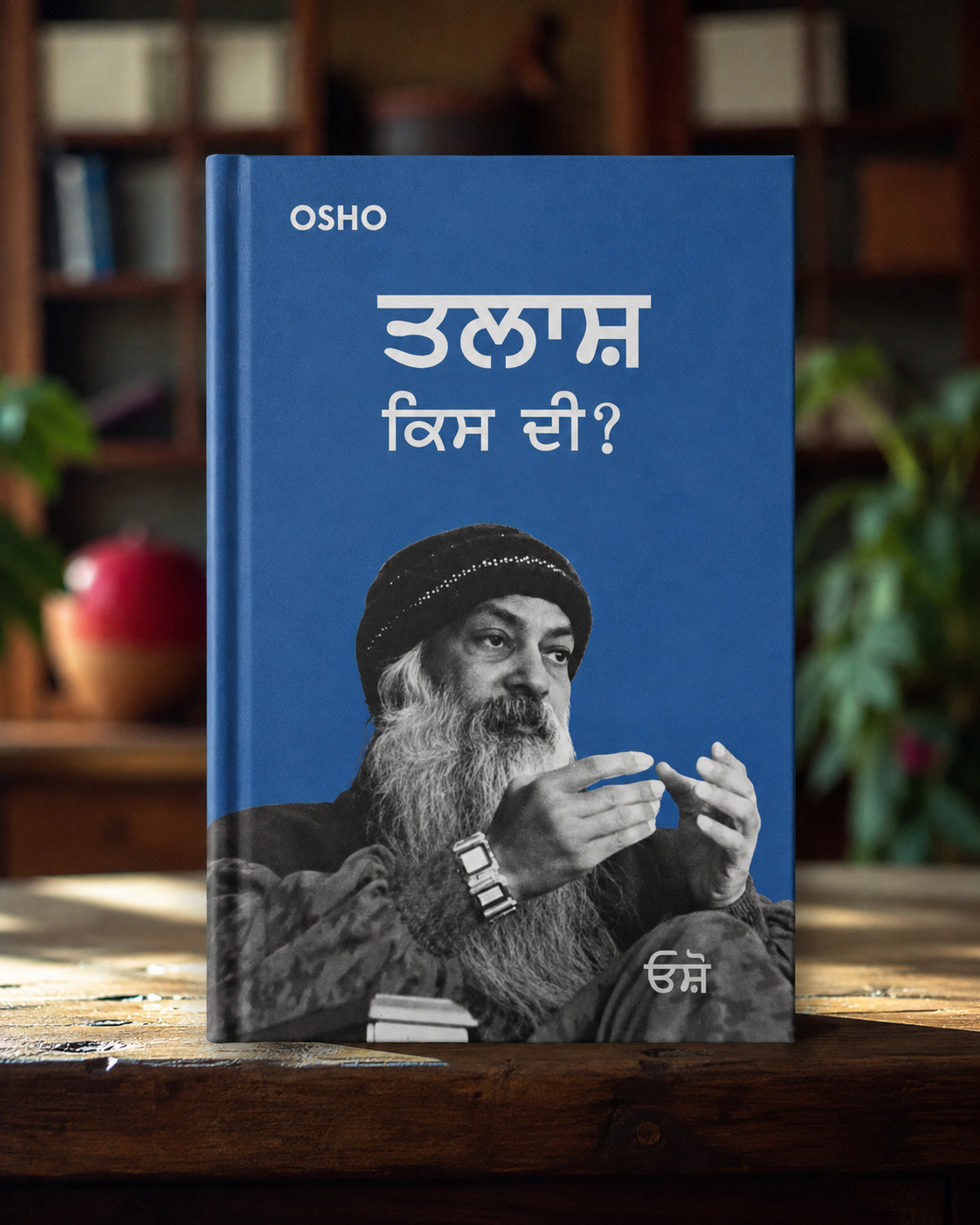
Talash Kis Di (ਤਲਾਸ਼ ਕਿਸ ਦੀ) – Osho
A Thought-Provoking Spiritual Journey Through Self-Discovery, Truth, and the Search Within
Talash Kis Di (ਤਲਾਸ਼ ਕਿਸ ਦੀ) is a reflective spiritual book by Osho that explores one of the most fundamental questions of human life: what are we truly searching for? The title itself invites readers to pause and examine the direction of their own search. Throughout the book, the focus moves toward questions of consciousness, desire, identity, happiness, truth, and the deeper meaning of life.
People spend much of their lives searching for something—success, recognition, relationships, security, happiness, knowledge, or peace. Yet the more important question may be whether we understand what we are actually looking for. Talash Kis Di encourages readers to examine this search rather than simply continuing it automatically.
The book offers a spiritual and philosophical perspective that encourages readers to look inward. Instead of assuming that fulfilment can always be found through external achievements, Talash Kis Di invites readers to explore their own consciousness and understand the desires that guide their lives.
What Are We Really Searching For?
The question contained in the title of Talash Kis Di creates the foundation for a deeper exploration of human experience. People often know what they want, but they may not always understand why they want it.
A person may seek wealth because they believe it will bring security, pursue recognition because they want acceptance, or search for relationships because they want emotional fulfilment. Yet after achieving one goal, another desire often appears.
Talash Kis Di encourages readers to observe this continuous cycle. Instead of simply pursuing one desire after another, the book invites readers to ask what lies beneath these desires.
This makes the reading experience deeply introspective. The book does not simply discuss external goals; it encourages readers to understand the inner motivations behind their search.
The Search for Happiness
Happiness is one of the most common things people seek throughout life. However, happiness is often connected with external circumstances. People may believe that a particular achievement, relationship, possession, or change in circumstances will finally make them happy.
Talash Kis Di encourages readers to question this assumption. If happiness depends entirely on external conditions, then it can easily disappear when those conditions change.
The book invites readers to explore whether a deeper sense of fulfilment can come from understanding oneself and becoming more aware of the present experience.
This perspective makes Talash Kis Di relevant to readers who are interested in personal growth and spiritual reflection. It encourages a shift from constantly chasing happiness toward understanding the mind that is doing the chasing.
Desire and the Human Mind
Desire plays an important role in everyday life. Ambition can encourage people to grow, but endless desire can also create dissatisfaction.
Talash Kis Di encourages readers to observe how desires arise and how they influence behaviour. A person may achieve one goal only to immediately begin pursuing another. This continuous movement can prevent them from experiencing the present moment fully.
By becoming aware of desire rather than automatically following it, readers may begin to understand their own patterns more clearly.
The book does not simply ask readers to reject desire. Instead, it encourages observation and understanding. This reflective approach allows individuals to examine what they truly need and what is created by social expectations, comparison, or conditioning.
The Journey Inward
One of the central ideas explored in Talash Kis Di is the importance of looking within. People often search for answers outside themselves, but the book encourages readers to explore their own consciousness.
Thoughts, emotions, memories, fears, expectations, and beliefs all contribute to the way a person experiences life. Understanding these internal processes can become an important part of self-discovery.
The inward journey presented through Talash Kis Di is therefore not about escaping the world. It is about understanding oneself while living within the world.
Awareness and Conscious Living
Awareness can change the way a person experiences everyday life. When individuals become conscious of their thoughts and emotions, they can begin to recognize automatic reactions and habitual patterns.
Talash Kis Di encourages readers to develop this quality of observation. Instead of constantly moving from one desire to another, readers are invited to pause and experience the present moment.
This connection between awareness and everyday life makes the book especially meaningful for readers interested in meditation and mindfulness.
Meditation and Self-Observation
Meditation can provide a practical way of exploring the questions raised in Talash Kis Di. Through meditation and quiet observation, individuals can become more aware of their thoughts and emotional patterns.
The goal is not necessarily to stop thinking but to observe thoughts without immediately becoming controlled by them. This can help readers understand the difference between awareness and automatic reaction.
For anyone exploring spirituality, meditation, or self-discovery, Talash Kis Di offers a thought-provoking perspective on the importance of turning attention inward.
Themes Explored in Talash Kis Di
Throughout Talash Kis Di, readers can explore themes such as:
- Self-discovery
- The search for happiness
- Human desires
- Consciousness
- Awareness
- Meditation
- Inner peace
- Personal identity
- Spiritual growth
- The search for truth
- Human psychology
- Present-moment awareness
- Inner transformation
- Freedom from conditioning
- Meaning and purpose
These themes make Talash Kis Di an engaging choice for readers interested in spirituality, philosophy, meditation, and personal development.
A Book for Deep Reflection
Talash Kis Di is best read slowly because its questions invite personal reflection. Different readers may discover different meanings depending on their own experiences and circumstances.
The book can be especially meaningful during moments when someone is questioning their priorities, searching for greater clarity, or simply wondering about the direction of their life.
For readers interested in Osho's spiritual writings, Talash Kis Di offers an opportunity to explore questions about desire, happiness, consciousness, and the nature of the human search.
Who Should Read Talash Kis Di?
Talash Kis Di (ਤਲਾਸ਼ ਕਿਸ ਦੀ) is an excellent choice for readers who enjoy:
- Osho's spiritual books
- Punjabi spiritual literature
- Philosophy
- Meditation
- Self-awareness
- Personal growth
- Conscious living
- Spiritual reflection
- Human psychology
- Books about the search for meaning
Whether you are beginning to explore spirituality or already interested in meditation and Osho's philosophy, Talash Kis Di offers a meaningful opportunity to pause and examine what you truly seek from life.
The book ultimately encourages readers to question the direction of their search and discover whether the answer they are looking for may be closer to them than they imagined.
The Deeper Meaning of Talash Kis Di
The deeper appeal of Talash Kis Di (ਤਲਾਸ਼ ਕਿਸ ਦੀ) lies in the question at the heart of its title: what are we truly searching for? Human life is often filled with movement and pursuit. People search for success, love, money, recognition, security, knowledge, and happiness, believing that the next achievement will finally provide a sense of fulfilment.
Talash Kis Di encourages readers to stop for a moment and examine this constant search. Instead of immediately looking for another destination, the book invites readers to understand the person who is doing the searching.
This inward shift gives the book its reflective quality. The search is no longer only about obtaining something outside oneself; it becomes an exploration of consciousness, desire, identity, and the meaning of fulfilment.
The Endless Cycle of Desire
Desire is a natural part of human life. People create goals because they want to improve their circumstances, experience something new, or achieve something meaningful. Yet the mind can easily become trapped in an endless cycle where one fulfilled desire is quickly replaced by another.
Talash Kis Di encourages readers to observe this cycle. A person may spend years working toward a particular goal and then discover that achieving it does not provide the lasting satisfaction they expected.
The book invites readers to ask why this happens. Is the problem with the goal itself, or with the assumption that an external achievement can permanently fulfil an inner need?
These questions make Talash Kis Di particularly relevant to modern life, where constant comparison and competition can create an endless desire for more.
Searching for Happiness Outside
People often connect happiness with circumstances. A better job, a successful relationship, financial security, social recognition, or a particular achievement may appear to be the answer.
But external circumstances constantly change. What creates happiness today may become ordinary tomorrow, leading the mind to search for something else.
Talash Kis Di encourages readers to examine this pattern and consider whether lasting fulfilment can be discovered through greater awareness rather than continuous acquisition.
The book does not simply reject external success. Instead, it encourages readers to understand the difference between temporary pleasure and deeper inner contentment.
Understanding the Self
The question of identity is closely connected with the search explored in Talash Kis Di. People often define themselves through roles, relationships, professions, achievements, beliefs, and social identities.
But beneath these external descriptions is a deeper inner experience.
Talash Kis Di encourages readers to observe the thoughts and beliefs that create their sense of identity. By becoming more aware of these layers, readers can begin to explore what remains when external labels and expectations are examined more closely.
This makes the book especially valuable for readers interested in self-discovery and personal transformation.
Awareness Instead of Automatic Living
Much of everyday behaviour happens automatically. People develop habits, follow routines, react according to past experiences, and make choices influenced by expectations they may never have consciously examined.
Talash Kis Di encourages readers to bring awareness into this process. When a thought or desire appears, instead of immediately acting on it, a person can observe it.
This small shift—from automatic reaction to conscious observation—can create greater clarity.
The book encourages readers to experience ordinary life more consciously. Eating, working, studying, communicating, and spending time alone can all become opportunities to observe the mind and understand oneself.
Meditation and the Inner Search
Meditation provides another way of exploring the questions raised in Talash Kis Di. Through quiet observation, readers can become more familiar with the movement of their own minds.
Meditation does not necessarily require eliminating thoughts. Instead, it can involve watching thoughts, emotions, memories, and desires without immediately following them.
This process can reveal how much of everyday life is driven by unconscious mental activity. Talash Kis Di encourages readers to consider whether greater awareness can change their relationship with these inner experiences.
For readers interested in spiritual practice, this makes the book a meaningful companion for reflection and meditation.
Freedom From Conditioning
Family, society, culture, education, relationships, and past experiences all contribute to the way people think and behave. Some beliefs become so deeply embedded that individuals may assume they are simply part of who they are.
Talash Kis Di encourages readers to question this conditioning. Which desires are genuinely personal? Which goals have been adopted because society considers them successful? Which fears come from past experiences? Which beliefs have been accepted without examination?
These questions can help readers understand themselves more clearly.
The book presents self-awareness as an important step toward inner freedom. When people recognize the forces influencing their choices, they may become more capable of making conscious decisions.
Life Lessons Found in Talash Kis Di
The reflections explored throughout Talash Kis Di can inspire readers to consider several meaningful ideas:
- Understanding the search can be as important as finding its destination.
- Not every desire leads to lasting fulfilment.
- External success does not automatically create inner peace.
- Awareness can reveal unconscious patterns.
- Self-questioning can lead to deeper understanding.
- Meditation can support inner observation.
- Happiness is worth exploring beyond external circumstances.
- Personal identity can be examined rather than simply accepted.
- Conscious choices can replace automatic reactions.
- Inner clarity begins with honest self-observation.
These ideas give Talash Kis Di lasting relevance for readers interested in spirituality, philosophy, and personal growth.
Who Should Read Talash Kis Di?
Talash Kis Di (ਤਲਾਸ਼ ਕਿਸ ਦੀ) is an excellent choice for readers who enjoy:
- Osho's spiritual writings
- Punjabi spiritual literature
- Meditation and mindfulness
- Philosophy
- Self-discovery
- Conscious living
- Personal development
- Human psychology
- Spiritual reflection
- Books about life's deeper questions
It can be especially meaningful for readers who find themselves questioning their goals, priorities, desires, relationships, or understanding of happiness.
Why Add Talash Kis Di to Your Library?
A reflective spiritual book can reveal different meanings at different stages of life, and Talash Kis Di offers this kind of lasting reading experience. The questions about desire, happiness, identity, awareness, and purpose can become increasingly meaningful as personal experiences change.
For readers building a collection of Punjabi spiritual literature, Talash Kis Di is a thoughtful addition. It provides an opportunity to explore Osho's philosophical ideas through Punjabi while encouraging personal reflection.
The book is valuable not simply because it discusses spirituality, but because it encourages readers to ask their own questions. It can be read slowly, revisited frequently, and discussed from different perspectives.
Final Thoughts
Talash Kis Di (ਤਲਾਸ਼ ਕਿਸ ਦੀ) is a thought-provoking spiritual work that explores the human search for happiness, fulfilment, identity, truth, and meaning. Through its emphasis on awareness, meditation, self-observation, desire, and inner freedom, the book encourages readers to examine what they are truly seeking.
For readers interested in Osho, Punjabi spiritual literature, meditation, philosophy, consciousness, and self-discovery, Talash Kis Di offers a meaningful and introspective reading experience.
Ultimately, the book turns the reader's attention from the destination toward the search itself. It encourages us to ask not only what we want, but also why we want it, not only where we are going, but also who is doing the searching. In that sense, Talash Kis Di becomes an invitation to look inward and discover a deeper understanding of one's own life and consciousness.