


Kalam Kitaab
Shiv Kumar Batalvi Samuchi Kavita (ਸ਼ਿਵ ਕੁਮਾਰ ਬਟਾਲਵੀ ਸਮੁੱਚੀ ਕਵਿਤਾ)
Shiv Kumar Batalvi Samuchi Kavita (ਸ਼ਿਵ ਕੁਮਾਰ ਬਟਾਲਵੀ ਸਮੁੱਚੀ ਕਵਿਤਾ)
Couldn't load pickup availability
Share
"Shiv Kumar Batalvi Samuchi Kavita" is the complete collection of poetry by the legendary Punjabi poet Shiv Kumar Batalvi, known as the "Birha da Sultan." This comprehensive volume gathers all his iconic works – ghazals, nazms, verse plays, and songs – capturing his profound themes of love, longing, pain, and existential beauty.
"ਸ਼ਿਵ ਕੁਮਾਰ ਬਟਾਲਵੀ ਸਮੁੱਚੀ ਕਵਿਤਾ" ਪੰਜਾਬੀ ਦੇ ਮਹਾਨ ਕਵੀ ਸ਼ਿਵ ਕੁਮਾਰ ਬਟਾਲਵੀ ਦੀ ਪੂਰੀ ਕਵਿਤਾ ਦਾ ਸੰਗ੍ਰਹਿ ਹੈ, ਜਿਨ੍ਹਾਂ ਨੂੰ "ਬਿਰਹਾ ਦਾ ਸੁਲਤਾਨ" ਕਿਹਾ ਜਾਂਦਾ ਹੈ। ਇਹ ਵਿਆਪਕ ਖੰਡ ਉਨ੍ਹਾਂ ਦੀਆਂ ਸਾਰੀਆਂ ਮਸ਼ਹੂਰ ਰਚਨਾਵਾਂ – ਗ਼ਜ਼ਲਾਂ, ਨਜ਼ਮਾਂ, ਕਾਵਿ-ਨਾਟਕ ਅਤੇ ਗੀਤਾਂ – ਨੂੰ ਇਕੱਠਾ ਕਰਦੀ ਹੈ, ਪਿਆਰ, ਵਿਛੋੜੇ, ਦਰਦ ਅਤੇ ਹੋਂਦ ਦੀ ਸੁੰਦਰਤਾ ਦੇ ਡੂੰਘੇ ਵਿਸ਼ਿਆਂ ਨੂੰ ਫੜਦੀ ਹੈ।
Book Title: Shiv Kumar Batalvi Samuchi Kavita (ਸ਼ਿਵ ਕੁਮਾਰ ਬਟਾਲਵੀ ਸਮੁੱਚੀ ਕਵਿਤਾ)
Author: Shiv Kumar Batalvi
Language: Punjabi (Gurmukhi)
Genre: Complete Poetry Collection (ਸਮੁੱਚੀ ਕਵਿਤਾ ਸੰਗ੍ਰਹਿ)
Available at: Kalam Kitaab


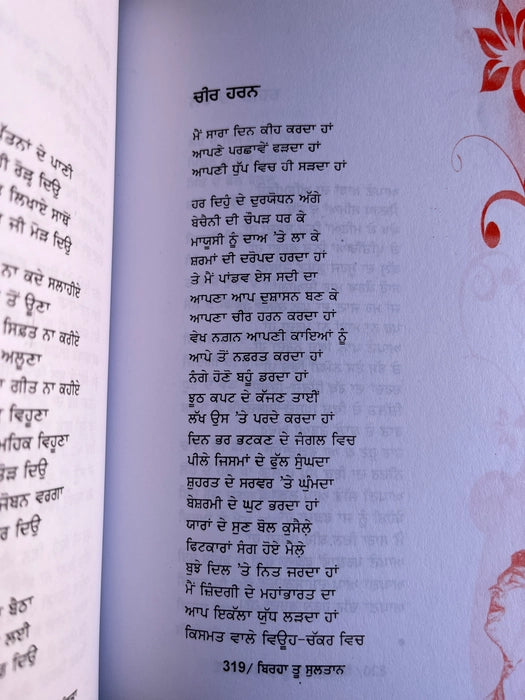
Shiv Kumar Batalvi Samuchi Kavita Book: The Complete Legacy of Punjab's Tragic Poet
"Shiv Kumar Batalvi Samuchi Kavita book," compiled in various comprehensive editions (often by Lokgeet Parkashan or Navyug Publishers, spanning 500–700 pages), is the definitive anthology that brings together every known poem, verse play, ghazal, and nazm by Shiv Kumar Batalvi (1936–1973). Known as the "Birha da Sultan" (King of Longing) and often compared to John Keats for his intense romanticism and tragically short life, Batalvi's complete works in the "Shiv Kumar Batalvi Samuchi Kavita book" represent the pinnacle of modern Punjabi poetry. This collection preserves his lyrical genius, emotional depth, and revolutionary voice, ensuring his verses – filled with love's ecstasy and agony – continue to touch hearts across generations.
The "Shiv Kumar Batalvi Samuchi Kavita book" includes all major collections, standalone masterpieces, and rare pieces, offering readers a chronological and thematic journey through his evolution from youthful passion to philosophical maturity.
Early Life and Poetic Roots in the Book
Born in 1936 in Bara Pind Lohtian (now Pakistan), Batalvi experienced Partition's upheaval as a child, shaping his sensitivity to loss and separation. The "Shiv Kumar Batalvi Samuchi Kavita book" reveals how folk traditions, Sufi mysticism, and personal heartbreaks fueled his poetry. His first collection "Piran da Paraga" (1958) marked the arrival of a unique voice adopting feminine perspectives to express vulnerability – a rarity in Punjabi literature then.
Batalvi's early poems in the complete collection show youthful exuberance, evolving into deeper pathos amid health struggles and unfulfilled loves.
Shiv Kumar Batalvi Samuchi Kavita Book: Iconic Poems and Verse Plays
The "Shiv Kumar Batalvi Samuchi Kavita book" features several timeless masterpieces that define his legacy:
- "Loona" (ਲੂਣਾ) – His epic verse play reimagining the Puran Bhagat legend from Loona's perspective, winning the Sahitya Akademi Award in 1967 (youngest recipient at 29). A proto-feminist retelling exploring desire and societal injustice.
- "Birha Tu Sultan" (ਬਿਰਹਾ ਤੂੰ ਸੁਲਤਾਨ) – The iconic nazm elevating separation to supreme emotion: "ਬਿਰਹਾ ਬਿਰਹਾ ਆਖੀਏ, ਬਿਰਹਾ ਤੂੰ ਸੁਲਤਾਨ / ਜਿਸ ਤਨ ਬਿਰਹਾ ਨਾ ਉਪਜੇ, ਸੋ ਤਨ ਜਾਣ ਮਸਾਨ" – declaring life without longing is a graveyard.
- "Maye Ni Maye" (ਮਾਏ ਨੀ ਮਾਏ) – A heart-wrenching mother's lament for her departing daughter, immortalized in songs: "ਮਾਏ ਨੀ ਮਾਏ, ਮੈਨੂੰ ਵਿਆਹੁਣ ਵਾਲੇ ਵੀਰ ਨੂੰ ਬੁੱਲ੍ਹਾਂ ਤੇ ਚੁੰਮਣ ਦੀ ਆਗਿਆ ਦੇ".
- "Ikk Kudi Jihda Naam Mohabbat" (ਇੱਕ ਕੁੜੀ ਜਿਹੜਾ ਨਾਮ ਮੁਹੱਬਤ) – Tender portrait of innocent love: "ਇੱਕ ਕੁੜੀ ਜਿਹੜਾ ਨਾਮ ਮੁਹੱਬਤ ਗੁੰਮ ਹੈ" – capturing fleeting beauty and loss.
Selected Full Poems from Shiv Kumar Batalvi Samuchi Kavita Book
To showcase Batalvi's mastery, here are four iconic full poems included in the "Shiv Kumar Batalvi Samuchi Kavita book":
1. Maye Ni Maye (ਮਾਏ ਨੀ ਮਾਏ)
ਮਾਏ ਨੀ ਮਾਏ, ਮੈਨੂੰ ਵਿਆਹੁਣ ਵਾਲੇ ਵੀਰ ਨੂੰ
ਬੁੱਲ੍ਹਾਂ ਤੇ ਚੁੰਮਣ ਦੀ ਆਗਿਆ ਦੇ।
ਮੈਂ ਉਸ ਨੂੰ ਚੁੰਮਣਾ ਚਾਹੁੰਦੀ ਆਂ,
ਜਿਵੇਂ ਚੰਦਨ ਨੂੰ ਚੂਹੜਾ ਚਾਹੁੰਦਾ ਹੈ।
ਮੈਂ ਉਸ ਨੂੰ ਚੁੰਮਣਾ ਚਾਹੁੰਦੀ ਆਂ,
ਜਿਵੇਂ ਮੋਰ ਨੂੰ ਮੇਘ ਚਾਹੁੰਦਾ ਹੈ।
ਮਾਏ ਨੀ ਮਾਏ, ਮੈਂ ਉਸ ਨੂੰ ਚੁੰਮਣਾ ਚਾਹੁੰਦੀ ਆਂ,
ਜਿਵੇਂ ਬੱਚਾ ਮਾਂ ਦੇ ਦੁੱਧ ਨੂੰ ਚਾਹੁੰਦਾ ਹੈ।
(ਇਹ ਮਾਂ-ਧੀ ਦੇ ਵਿਛੋੜੇ ਦੀ ਮਾਰਮਿਕ ਨਜ਼ਮ ਹੈ, ਜੋ ਵਿਆਹੁੰਦੀ ਕੁੜੀ ਦੀ ਭਾਵਨਾਵਾਂ ਨੂੰ ਬਿਆਨ ਕਰਦੀ ਹੈ।)
2. Birha Tu Sultan (ਬਿਰਹਾ ਤੂੰ ਸੁਲਤਾਨ) – Opening Stanzas
ਬਿਰਹਾ ਬਿਰਹਾ ਆਖੀਏ,
ਬਿਰਹਾ ਤੂੰ ਸੁਲਤਾਨ।
ਜਿਸ ਤਨ ਬਿਰਹਾ ਨਾ ਉਪਜੇ,
ਸੋ ਤਨ ਜਾਣ ਮਸਾਨ।
ਬਿਰਹਾ ਬਿਰਹਾ ਆਖੀਏ,
ਬਿਰਹਾ ਤੂੰ ਸੁਲਤਾਨ।
ਬਿਰਹੇ ਬਿਨਾ ਜਗ ਜੀਵਦਾ,
ਜਿਵੇਂ ਬਿਨ ਪਾਣੀ ਮੱਛੀ ਮਰ ਜਾਵੇ।
(ਇਹ ਨਜ਼ਮ ਬਿਰਹੇ ਨੂੰ ਜੀਵਨ ਦੀ ਸਰਵਉੱਚ ਭਾਵਨਾ ਮੰਨਦੀ ਹੈ।)
3. Ikk Kudi Jihda Naam Mohabbat Gum Hai (ਇੱਕ ਕੁੜੀ ਜਿਹੜਾ ਨਾਮ ਮੁਹੱਬਤ ਗੁੰਮ ਹੈ)
ਇੱਕ ਕੁੜੀ ਜਿਹੜਾ ਨਾਮ ਮੁਹੱਬਤ ਗੁੰਮ ਹੈ,
ਸ਼ਾਇਦ ਮੇਰੀ ਯਾਦ ਵੀ ਉਸ ਨੂੰ ਗੁੰਮ ਹੈ।
ਉਸ ਦੇ ਚਿਹਰੇ ਤੇ ਕੋਈ ਰੰਗ ਨਹੀਂ ਸੀ,
ਜਿਵੇਂ ਚੰਦ ਦੇ ਚਿਹਰੇ ਤੇ ਰੰਗ ਨਹੀਂ ਹੁੰਦਾ।
ਉਸ ਦੀਆਂ ਅੱਖਾਂ ਵਿੱਚ ਕੋਈ ਸੁਰਮਾ ਨਹੀਂ ਸੀ,
ਜਿਵੇਂ ਤਾਰੇ ਵਿੱਚ ਸੁਰਮਾ ਨਹੀਂ ਹੁੰਦਾ।
(ਇਹ ਨਜ਼ਮ ਨਿਰਦੋਸ਼ ਪਿਆਰ ਅਤੇ ਗੁੰਮ ਹੋਈ ਯਾਦ ਦੀ ਸੁੰਦਰਤਾ ਨੂੰ ਫੜਦੀ ਹੈ।)
4. Ajj Din Chadheya Tere Rang Varga (ਅੱਜ ਦਿਨ ਚੜ੍ਹਿਆ ਤੇਰੇ ਰੰਗ ਵਰਗਾ)
ਅੱਜ ਦਿਨ ਚੜ੍ਹਿਆ ਤੇਰੇ ਰੰਗ ਵਰਗਾ,
ਮੇਰੇ ਯਾਰ ਦਾ ਵਿਆਹ ਵਰਗਾ।
ਅੱਜ ਘਰ ਘਰ ਵਿੱਚ ਖੁਸ਼ੀਆਂ ਛਾਈਆਂ,
ਮੇਰੇ ਯਾਰ ਦਾ ਵਿਆਹ ਵਰਗਾ।
ਮੈਂ ਵੀ ਖੁਸ਼ ਹਾਂ ਪਰ ਦਿਲ ਵਿੱਚ ਰੋਂਦੀ ਆਂ,
ਮੇਰੇ ਯਾਰ ਦਾ ਵਿਆਹ ਵਰਗਾ।
(ਇਹ ਗ਼ਜ਼ਲ ਪਿਆਰ ਵਿੱਚ ਖੁਸ਼ੀ ਅਤੇ ਦੁੱਖ ਦੇ ਮਿਸ਼ਰਣ ਨੂੰ ਬਿਆਨ ਕਰਦੀ ਹੈ।)
These and hundreds more – ghazals like "Ajj Din Chadheya Tere Rang Warga" and nazms exploring self-duality in "Mai Te Mai" – showcase Batalvi's mastery of rhythm, repetition, and emotional crescendo.
5. Aarti (ਆਰਤੀ) – Dedicated to Sri Guru Gobind Singh Ji
ਮੈਂ ਕਿਸ ਹੰਝੂ ਦਾ ਦੀਵਾ ਬਾਲ ਕੇ ਤੇਰੀ ਆਰਤੀ ਗਾਵਾਂ,
ਮੈਂ ਕਿਹੜੇ ਸ਼ਬਦ ਦੇ ਬੂਹੇ ਤੇ ਮੰਗਣ ਗੀਤ ਅੱਜ ਜਾਵਾਂ।
ਜੋ ਤੈਨੂੰ ਕਰਨ ਲਈ ਭੇਟਾ ਮੈਂ ਤੇਰੇ ਦੁਆਰੇ ਆਵਾਂ,
ਮੇਰਾ ਕੋਈ ਗੀਤ ਨਹੀਂ ਐਸਾ ਜੋ ਤੇਰੇ ਮੇਚ ਆ ਜਾਵੇ।
ਮੈਂ ਚਾਹੁੰਦਾ ਹਾਂ ਏਸ ਤੋਂ ਪਹਿਲਾਂ ਕਿ ਤੇਰੀ ਆਰਤੀ ਗਾਵਾਂ,
ਮੈਂ ਮੈਲੇ ਸ਼ਬਦ ਧੋ ਕੇ ਜੀਭ ਦੀ ਕਿੱਲੀ ਤੇ ਪਾ ਆਵਾਂ।
ਤੇ ਮੈਲੇ ਸ਼ਬਦ ਸੁੱਕਣ ਤੀਕ ਤੇਰੀ ਹਰ ਪੈੜ ਚੁੰਮ ਆਵਾਂ,
ਤੇ ਤੇਰੀ ਪੈੜਾਂ ਚੁੰਮਣ ਤੀਕ ਮੇਰੀ ਜੀਭ ਸਾਫ਼ ਹੋ ਜਾਵੇ।
(ਇਹ ਆਰਤੀ ਸ੍ਰੀ ਗੁਰੂ ਗੋਬਿੰਦ ਸਿੰਘ ਜੀ ਨੂੰ ਸਮਰਪਿਤ ਹੈ, ਜੋ ਉਨ੍ਹਾਂ ਦੀ ਮਹਾਨਤਾ ਨੂੰ ਨਿਮਰਤਾ ਨਾਲ ਮਨਾਉਂਦੀ ਹੈ।)
Key Themes in Shiv Kumar Batalvi Samuchi Kavita Book
Birha and Unfulfilled Love
The dominant thread in the "Shiv Kumar Batalvi Samuchi Kavita book" – longing as life's essence, blending ecstasy and torment.
Feminine Perspective and Empathy
Batalvi's unique adoption of women's voices expresses suppressed desires with profound sensitivity.
Pain as Purification and Beauty
Suffering transforms the soul, finding poetry in heartbreak and mortality.
Nature and Existential Depth
Seasons, birds, rivers symbolize human emotions and life's transience.
Poetic Style and Musical Legacy
Batalvi's verses in the "Shiv Kumar Batalvi Samuchi Kavita book" are melodic – repetitive refrains, natural rhythm – designed for recitation and song. Artists like Jagjit Singh, Surinder Kaur, Hans Raj Hans, and Satinder Sartaaj have popularized his work globally.
His simple yet profound Punjabi carries folk roots with universal appeal.
Shiv Kumar Batalvi Samuchi Kavita Book: Cultural Impact and Reception
The "Shiv Kumar Batalvi Samuchi Kavita book" is a cornerstone of Punjabi literature, studied in schools and cherished privately. Amrita Pritam called him "Birha da Sultan." His tragic death at 36 added mythic aura, but his poetry's authenticity endures.
The complete collection inspires theater, music, and film, keeping Punjabi romanticism vibrant.
Why Shiv Kumar Batalvi Samuchi Kavita Resonates Today
In a world of superficial connections, Batalvi's deep exploration of love and loss feels eternal. The "Shiv Kumar Batalvi Samuchi Kavita book" offers catharsis, inspiration, and reflection on vulnerability.
Essential for Punjabi poetry lovers, it's the full voice of a genius who lived intensely – his verses promising beauty amid pain, ensuring the Sultan of Longing reigns forever.
Tragic, lyrical, and profoundly moving, the "Shiv Kumar Batalvi Samuchi Kavita book" captures Punjab's poetic soul in its purest form.