

Kalam Kitaab
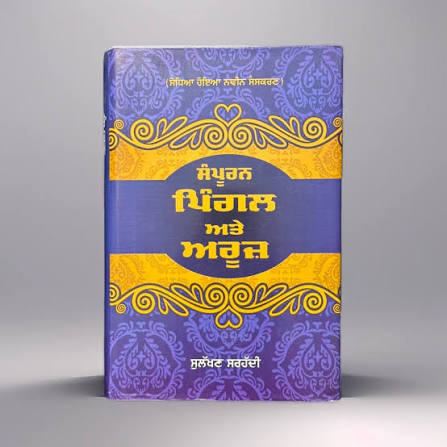
Sampooran Pingal Ate Arooz (ਸੰਪੂਰਨ ਪਿੰਗਲ ਅਤੇ ਅਰੂਜ਼) Book – Sulakhan Sarhaddi
Sampooran Pingal Ate Arooz (ਸੰਪੂਰਨ ਪਿੰਗਲ ਅਤੇ ਅਰੂਜ਼) Book – Sulakhan Sarhaddi
Couldn't load pickup availability
Share
Sampooran Pingal Ate Arooz by Sulakhan Sarhaddi is an informative Punjabi reference book for readers interested in poetry, poetic composition, and the technical foundations of Punjabi verse. It introduces the principles of Pingal and Arooz, two important systems used to understand poetic metre, rhythm, syllabic structure, and the rhythmic arrangement of poetry.
The book is particularly useful for aspiring poets, ghazal writers, students of Punjabi literature, and readers who wish to understand how poetry is structured beyond its meaning and emotions. By presenting the rules through charts, it aims to make technical concepts easier to understand and apply.
ਸੁਲੱਖਣ ਸਰਹੱਦੀ ਦੀ ਪੁਸਤਕ ਸੰਪੂਰਨ ਪਿੰਗਲ ਅਤੇ ਅਰੂਜ਼ ਪੰਜਾਬੀ ਕਾਵਿ-ਸ਼ਾਸਤਰ ਅਤੇ ਸ਼ਾਇਰੀ ਦੇ ਤਕਨੀਕੀ ਪੱਖ ਨੂੰ ਸਮਝਣ ਲਈ ਇੱਕ ਮਹੱਤਵਪੂਰਨ ਹਵਾਲਾ ਪੁਸਤਕ ਹੈ। ਪਿੰਗਲ ਅਤੇ ਅਰੂਜ਼ ਕਵਿਤਾ ਦੇ ਛੰਦ, ਮਾਤਰਾਵਾਂ, ਲੈਅ, ਵਜ਼ਨ ਅਤੇ ਬਹਿਰਾਂ ਨਾਲ ਸੰਬੰਧਿਤ ਵਿਸ਼ੇ ਹਨ, ਜਿਨ੍ਹਾਂ ਦੀ ਜਾਣਕਾਰੀ ਇੱਕ ਕਵੀ ਅਤੇ ਸ਼ਾਇਰ ਲਈ ਬਹੁਤ ਜ਼ਰੂਰੀ ਹੈ।
ਇਹ ਪੁਸਤਕ ਪਿੰਗਲ ਅਤੇ ਅਰੂਜ਼ ਦੇ ਨਿਯਮਾਂ ਨੂੰ ਚਾਰਟਾਂ ਰਾਹੀਂ ਸਮਝਾਉਣ ਦੀ ਕੋਸ਼ਿਸ਼ ਕਰਦੀ ਹੈ, ਤਾਂ ਜੋ ਪਾਠਕ ਇਨ੍ਹਾਂ ਗੁੰਝਲਦਾਰ ਵਿਸ਼ਿਆਂ ਨੂੰ ਸੌਖੇ ਢੰਗ ਨਾਲ ਸਮਝ ਸਕਣ। ਖ਼ਾਸ ਤੌਰ 'ਤੇ ਕਵਿਤਾ, ਗ਼ਜ਼ਲ ਅਤੇ ਛੰਦਬੱਧ ਰਚਨਾ ਕਰਨ ਵਾਲਿਆਂ ਲਈ ਇਹ ਇੱਕ ਲਾਭਦਾਇਕ ਅਧਿਐਨ ਸਮੱਗਰੀ ਹੈ।
Book Details
-
Book Title: Sampooran Pingal Ate Arooz (ਸੰਪੂਰਨ ਪਿੰਗਲ ਅਤੇ ਅਰੂਜ਼)
-
Author: Sulakhan Sarhaddi (ਸੁਲੱਖਣ ਸਰਹੱਦੀ)
-
Language: Punjabi
-
Category: Punjabi Literature, Poetry, Poetics and Literary Reference
Sampooran Pingal Ate Arooz – Understanding the Technical Art of Poetry
Poetry is not only an expression of thoughts, feelings, imagination and experiences; it also has a technical structure. Rhythm, metre, syllables and the arrangement of sounds contribute to the musical quality of a poem. Understanding these elements helps writers create poetry with greater control, precision and artistic discipline.
In Punjabi literary tradition, Pingal and Arooz are important areas of poetic study. They provide methods for understanding the structure and rhythm of verse. Sampooran Pingal Ate Arooz brings attention to these foundations and serves as a reference for readers who want to study the craft of poetry in greater depth.
What Is Pingal?
Pingal is concerned with the metrical structure of poetry. It helps readers and writers understand how poetic lines are formed through syllabic weight, measures and rhythmic patterns. Knowledge of Pingal is useful for studying traditional metres and composing verse that follows a particular rhythmic structure.
For poets, learning these principles can make the process of writing more deliberate. Instead of relying only on natural rhythm, a writer can examine the structure of a line and understand how its components contribute to the overall metre.
Understanding Arooz
Arooz is a system of prosody traditionally associated with Arabic and Persian poetic traditions and widely used in Urdu and ghazal poetry. It deals with the arrangement of syllabic patterns and the identification of metres, commonly known as bahars.
For anyone interested in writing or studying ghazals, an understanding of Arooz is especially valuable. It provides a framework for examining the rhythm of poetic lines and understanding the formal requirements of different metres.
The Importance of Learning Both Systems
Pingal and Arooz offer different approaches to understanding poetic rhythm and structure. Studying both helps readers develop a broader understanding of the technical traditions that have influenced Punjabi poetry and ghazal writing.
This knowledge can help poets recognise metrical patterns, examine their own compositions and improve the technical quality of their writing. It also allows readers to appreciate the discipline and craftsmanship behind well-structured poetry.
A Useful Reference for Poets and Ghazal Writers
Sampooran Pingal Ate Arooz is particularly relevant to people who actively write poetry. Beginners can use it to develop an understanding of poetic structure, while experienced writers may consult it when examining metres and refining their compositions.
The book is also relevant to ghazal writers who want to understand the formal principles behind the art of ghazal composition. Since ghazals follow specific rhythmic conventions, familiarity with Arooz can help writers understand the relationship between individual lines, metre and the overall composition.
Learning Through Charts and Structured Explanation
One of the notable features associated with this book is its effort to explain the rules of Pingal and Arooz through charts. Technical subjects can sometimes appear difficult because they involve specialised terminology and detailed rules. A chart-based presentation can make relationships between different concepts easier to follow and provide a convenient reference while studying or writing.
Rather than treating poetry only as an emotional or creative activity, the book draws attention to the knowledge and practice involved in mastering its technical side.
Who Should Read This Book?
This book may be useful for:
- Punjabi poets who want to improve their understanding of metre and rhythm.
- Ghazal writers interested in the principles of Arooz.
- Students of Punjabi language and literature.
- Readers studying Punjabi poetic traditions and prosody.
- Aspiring writers who want to learn the technical foundations of poetry.
- Teachers and researchers looking for Punjabi-language reference material on Pingal and Arooz.
Explore the Craft Behind Punjabi Poetry
A strong understanding of poetic structure can deepen both the writing and reading experience. Sampooran Pingal Ate Arooz by Sulakhan Sarhaddi offers readers an opportunity to study the technical foundations of verse through the principles of Pingal and Arooz. It is a valuable addition to the collection of readers, students and writers who wish to explore Punjabi poetry not only as an art of expression but also as a disciplined literary craft.