

Kalam Kitaab
Raseedi Ticket (ਰਸੀਦੀ ਟਿਕਟ) – Amrita Pritam
Raseedi Ticket (ਰਸੀਦੀ ਟਿਕਟ) – Amrita Pritam
Couldn't load pickup availability
Share
"Raseedi Ticket" is Amrita Pritam's groundbreaking autobiographical novel that chronicles her emotional journey through love, loss, marriage, and self-discovery. Written with raw honesty and poetic prose, it remains one of the most bold and influential works in Punjabi literature.
"ਰਸੀਦੀ ਟਿਕਟ" ਅੰਮ੍ਰਿਤਾ ਪ੍ਰੀਤਮ ਦਾ ਸੱਚ-ਜੀਵਨੀ ਵਾਲਾ ਨਾਵਲ ਹੈ ਜੋ ਉਨ੍ਹਾਂ ਦੀ ਭਾਵਨਾਤਮਕ ਯਾਤਰਾ – ਪਿਆਰ, ਵਿਛੋੜਾ, ਵਿਆਹ ਅਤੇ ਆਤਮ-ਖੋਜ – ਨੂੰ ਬਿਆਨ ਕਰਦਾ ਹੈ। ਕੱਚੀ ਇਮਾਨਦਾਰੀ ਅਤੇ ਕਾਵਿ-ਗਦ ਨਾਲ ਲਿਖਿਆ, ਇਹ ਪੰਜਾਬੀ ਸਾਹਿਤ ਵਿੱਚ ਸਭ ਤੋਂ ਨਿਡਰ ਅਤੇ ਪ੍ਰਭਾਵਸ਼ਾਲੀ ਰਚਨਾਵਾਂ ਵਿੱਚੋਂ ਇੱਕ ਹੈ।
Book Title: Raseedi Ticket (ਰਸੀਦੀ ਟਿਕਟ)
Author: Amrita Pritam
Language: Punjabi (Gurmukhi)
Genre: Autobiographical Novel (ਆਤਮਕਥਾਤਮਕ ਨਾਵਲ)
Available at: Kalam Kitaab
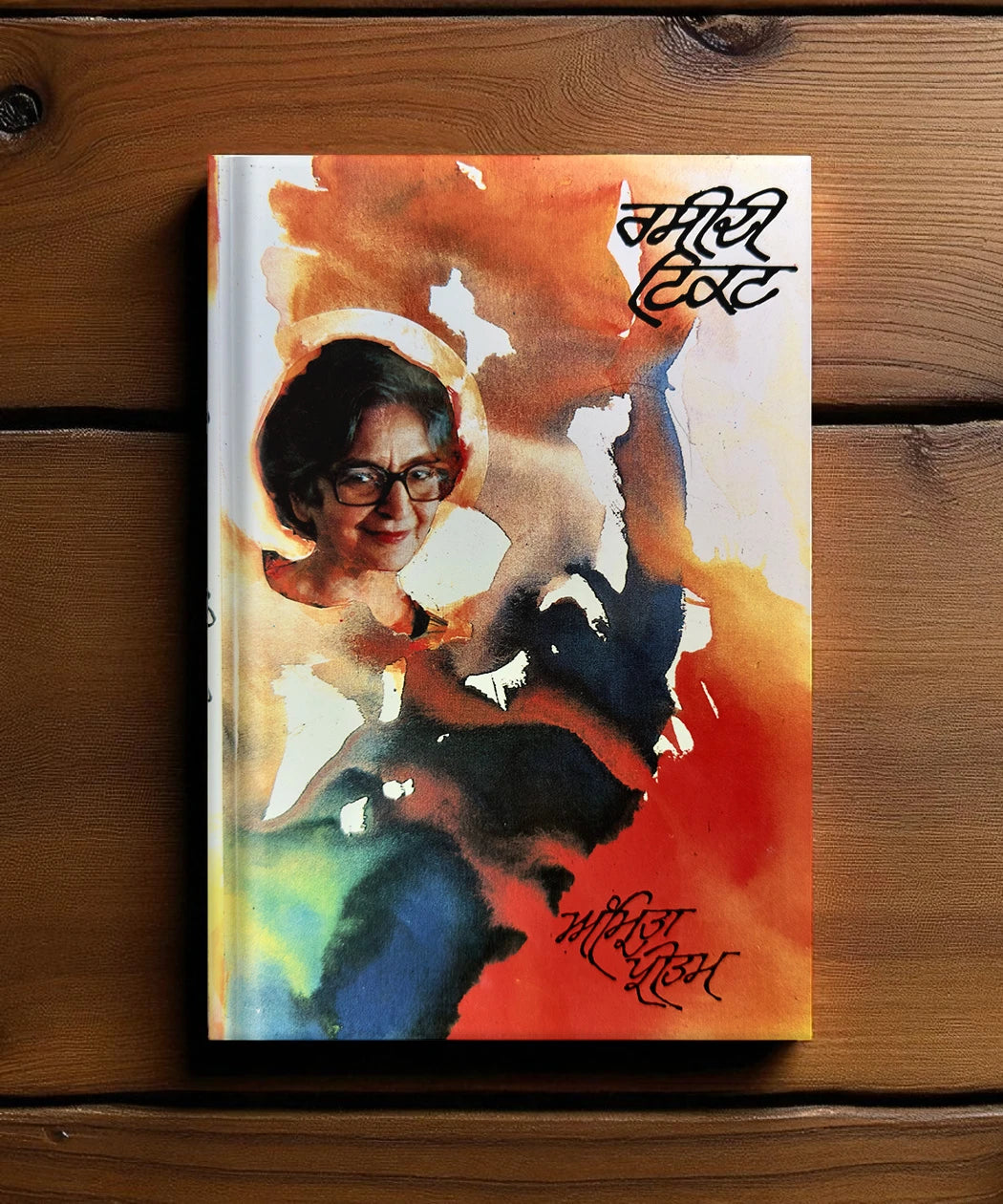
Raseedi Ticket Book: Amrita Pritam's Daring Self-Portrait
"Raseedi Ticket book," first published in 1976 by Navyug Publishers and now in countless reprints, stands as Amrita Pritam's most audacious and iconic work – an unflinching autobiographical novel that shattered conventions in Indian literature. Spanning her life from childhood to middle age, the "Raseedi Ticket book" is written in Pritam's signature poetic prose, blending memoir, confession, and literary artistry into a seamless narrative. Amrita Pritam (1919–2005), the trailblazing Punjabi poet, novelist, and essayist who became the first woman to win the Sahitya Akademi Award (1956 for "Sunehade"), the Jnanpith Award (1982), and Padma Vibhushan, used this book to claim her narrative with unprecedented candor.
The title "Raseedi Ticket" – literally "Revenue Stamp" or "Receipt Ticket" – is a powerful metaphor: life as a series of emotional transactions, each experience leaving a stamp or receipt on the soul. Pritam presents her "receipts" without shame or apology, documenting loves, heartbreaks, desires, and societal rebellions. The "Raseedi Ticket book" shocked conservative readers upon release but liberated countless women by voicing suppressed truths, cementing Pritam's legacy as a feminist pioneer in Punjabi and Indian writing.
Childhood, Loss, and Early Marriage in the Book
The "Raseedi Ticket book" opens with Pritam's childhood as Tara in Gujranwala, marked by the devastating loss of her mother at age 11 – an event that instilled deep sensitivity and a lifelong search for maternal warmth. Raised by her father, a schoolteacher and preacher, she found solace in poetry from a young age.
At 16, in 1935, she was married to Pritam Singh, an arranged union typical of the era. The "Raseedi Ticket book" candidly describes her disillusionment: emotional disconnection, physical dissatisfaction, and feeling trapped in domestic roles while her creative spirit yearned for freedom. Pritam recounts bearing two children yet struggling with motherhood's constraints, a confession radical for its time.
Partition's Trauma and Literary Awakening
The 1947 Partition forms a harrowing backdrop in the "Raseedi Ticket book." Pritam, fleeing Lahore with her family amid violence, witnessed communal horrors that fueled her masterpiece poem "Ajj Aakhan Waris Shah Nu." The trauma deepened her empathy for the displaced and oppressed, themes recurring throughout her work.
In Delhi, she rebuilt her life, divorcing in 1960 – a bold, scandalous step. The "Raseedi Ticket book" details how writing became her salvation, establishing her as a leading voice in progressive Punjabi literature.
Raseedi Ticket Book: Loves That Shaped a Poet
The emotional core of the "Raseedi Ticket book" lies in Pritam's romantic relationships, discussed with remarkable openness. Her intense but unfulfilled love for poet Sahir Ludhianvi – a passionate yet distant affair – inspired some of her most celebrated verses. Pritam describes the agony of loving someone who couldn't fully reciprocate, yet crediting Sahir for igniting her poetic fire.
Later, her lifelong companionship with painter and writer Imroz (from the 1960s until her death) provided profound emotional and creative fulfillment. The "Raseedi Ticket book" portrays Imroz with tenderness – a partner who accepted her completely, sharing a home filled with art, poetry, and mutual respect. Pritam dedicates space to this relationship as a model of egalitarian love, contrasting her earlier marriage.
She also reflects on physical desire and women's sexuality – topics rarely broached by Indian women writers then – asserting a woman's right to passion and autonomy.
Social Critique and Feminist Legacy in the Book
Beyond personal revelations, the "Raseedi Ticket book" critiques patriarchal norms: arranged marriages stifling individuality, societal judgment of divorced women, double standards on fidelity, and expectations confining women to domesticity. Pritam challenges these while navigating her own compromises and triumphs.
Her honesty about marital dissatisfaction, extramarital emotions, and creative priorities sparked controversy – accused of indecency yet hailed as liberating. The book influenced generations of women writers to claim their voices.
Amrita Pritam's Unique Literary Style
Pritam's prose in the "Raseedi Ticket book" is lyrical and fragmented, mirroring memory's flow. She interweaves poems, letters, and reflections, blurring fiction and reality. Naming real people (Sahir, Imroz, family) added authenticity and risk.
The narrative's intimacy feels like a conversation with a close friend, drawing readers into her world.
Raseedi Ticket Book: Controversy, Impact, and Enduring Relevance
Upon release, the "Raseedi Ticket book" caused uproar – criticized for "exposing" private life, yet becoming a bestseller. Translated widely (English as "The Revenue Stamp"), it reached global audiences.
Pritam's courage paved the way for feminist literature in India, influencing writers like Ismat Chughtai and Kamala Das. Today, it's studied for its literary merit and socio-cultural significance.
Why Raseedi Ticket Resonates Today
In an age of memoirs and #MeToo conversations, the "Raseedi Ticket book" feels prescient. Pritam's unapologetic ownership of her story – loves, mistakes, desires, triumphs – empowers readers to embrace authenticity.
For Punjabi literature enthusiasts, it's indispensable – a cornerstone showcasing women's inner lives. Pritam's voice remains revolutionary: claiming space to live, love, and write freely.
Raw, poetic, courageous, and timeless, the "Raseedi Ticket book" by Amrita Pritam is more than autobiography – it's a manifesto for women's humanity, creativity, and right to self-definition. A landmark that continues to inspire and liberate.