

Kalam Kitaab
Punjab Di Wand (ਪੰਜਾਬ ਦੀ ਵੰਡ) Book - Pandit Mohan Lal
Punjab Di Wand (ਪੰਜਾਬ ਦੀ ਵੰਡ) Book - Pandit Mohan Lal
Couldn't load pickup availability
Share
"Punjab Di Wand" ਪੰਡਿਤ ਮੋਹਨ ਲਾਲ ਦੀ ਇੱਕ ਮਹੱਤਵਪੂਰਨ ਇਤਿਹਾਸਕ ਕਿਤਾਬ ਹੈ ਜੋ 1947 ਵਿੱਚ ਪੰਜਾਬ ਦੀ ਵੰਡ, ਉਸ ਦੇ ਰਾਜਨੀਤਿਕ, ਸਮਾਜਿਕ ਅਤੇ ਮਨੁੱਖੀ ਪ੍ਰਭਾਵਾਂ ਦਾ ਵਿਸਤ੍ਰਿਤ ਅਧਿਐਨ ਕਰਦੀ ਹੈ। Punjab Di Wand ਵੰਡ ਤੋਂ ਪਹਿਲਾਂ ਦੇ ਹਾਲਾਤ, ਵੰਡ ਦੀ ਪ੍ਰਕਿਰਿਆ, ਲੋਕਾਂ ਦੇ ਵਿਸਥਾਪਨ, ਫਿਰਕੂ ਹਿੰਸਾ ਅਤੇ ਪੰਜਾਬ ਦੇ ਇਤਿਹਾਸ ਵਿੱਚ ਆਏ ਵੱਡੇ ਬਦਲਾਵਾਂ ਨੂੰ ਇਤਿਹਾਸਕ ਸੰਦਰਭਾਂ ਨਾਲ ਪੇਸ਼ ਕਰਦੀ ਹੈ। ਖੋਜ ਅਤੇ ਦਸਤਾਵੇਜ਼ੀ ਸਰੋਤਾਂ 'ਤੇ ਆਧਾਰਿਤ Punjab Di Wand ਭਾਰਤ ਦੀ ਵੰਡ ਅਤੇ ਪੰਜਾਬ ਦੇ ਆਧੁਨਿਕ ਇਤਿਹਾਸ ਨੂੰ ਸਮਝਣ ਲਈ ਇੱਕ ਮਹੱਤਵਪੂਰਨ ਕਿਤਾਬ ਹੈ.
"Punjab Di Wand" by Pandit Mohan Lal is a historical study that examines the Partition of Punjab in 1947 and its far-reaching political, social, and humanitarian consequences. Punjab Di Wand explores the events leading to Partition, the division of Punjab, large-scale migration, communal violence, and the transformation of the region through historical analysis and documented accounts. Offering readers valuable insights into one of the most significant events in the history of the Indian subcontinent, Punjab Di Wand is an essential read for anyone interested in Partition studies, Punjab history, and modern South Asian history.
Book Title: Punjab Di Wand
Author: Pandit Mohan Lal
Language: Punjabi (Gurmukhi)
Genre: History / Partition History / Punjab History / Historical Non-Fiction
Available at: Kalam Kitaab
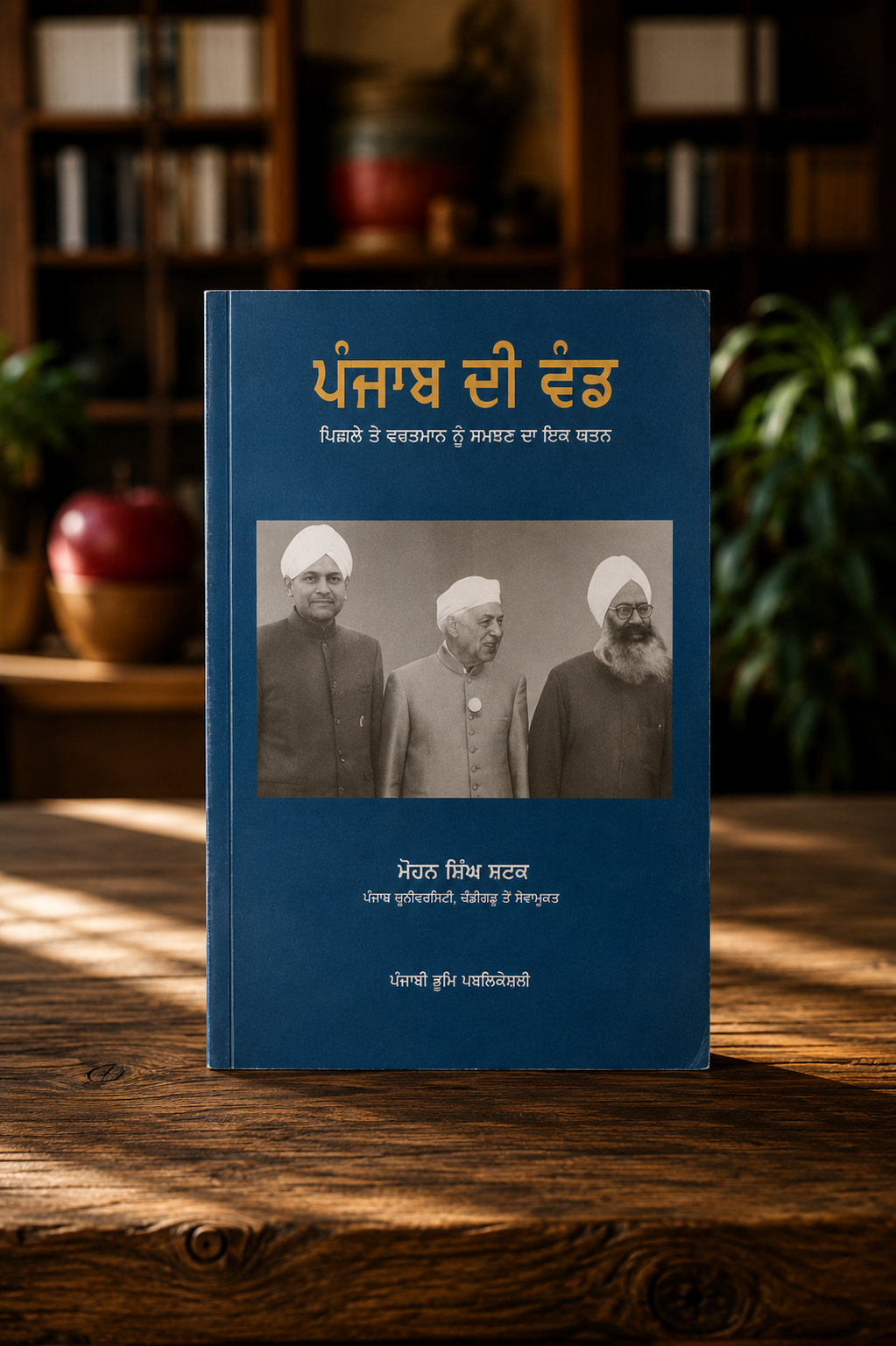
Punjab Di Wand – Pandit Mohan Lal
Punjab Di Wand – A Historical Account of the Partition of Punjab and Its Lasting Impact on Society
Punjab Di Wand by Pandit Mohan Lal is a significant historical work that examines one of the most transformative periods in the history of the Indian subcontinent—the Partition of Punjab. Through historical discussion, social observations, and contextual analysis, Punjab Di Wand introduces readers to the events, circumstances, and human experiences surrounding the division of Punjab in 1947. Combining historical narrative with thoughtful reflection, Punjab Di Wand helps readers understand how the Partition reshaped communities, families, cultures, and the future of millions of people.
More than a historical record, Punjab Di Wand explores the social, cultural, and human dimensions of Partition. Throughout Punjab Di Wand, readers encounter discussions about changing political circumstances, migration, communal relations, displacement, and the lasting consequences of one of the largest population movements in modern history. By placing historical events within their wider social context, Punjab Di Wand provides an engaging introduction to an important chapter in South Asian history.
One of the greatest strengths of Punjab Di Wand is its emphasis on understanding history through both documented events and their human impact. Rather than limiting itself to political developments alone, Punjab Di Wand highlights how historical decisions affected ordinary people, families, and communities. This broader perspective makes Punjab Di Wand valuable for readers interested in Punjab history, Partition studies, Indian history, Pakistani history, and historical non-fiction.
The Purpose of Punjab Di Wand
The primary purpose of Punjab Di Wand is to present a historical understanding of the Partition of Punjab while encouraging readers to appreciate the broader historical, political, and social circumstances that led to this defining event. Throughout Punjab Di Wand, historical developments are discussed alongside their effects on everyday life, helping readers understand how major political decisions often shape generations.
Rather than focusing solely on chronology, Punjab Di Wand examines the wider historical environment that surrounded Partition. The narrative encourages readers to think about migration, identity, cultural heritage, social change, and the importance of preserving historical memory. By connecting historical events with human experiences, Punjab Di Wand offers a thoughtful and informative reading experience.
Historical Context in Punjab Di Wand
A defining feature of Punjab Di Wand is its careful attention to historical context. Throughout Punjab Di Wand, readers are introduced to the political developments, administrative changes, and social conditions that contributed to the Partition of Punjab. Historical discussion is presented in a structured manner, helping readers understand the complexity of the period without losing sight of the experiences of ordinary people.
By combining historical explanation with broader social discussion, Punjab Di Wand demonstrates how historical events influence communities over generations. Readers interested in twentieth-century history, Punjab studies, South Asian history, and historical literature will appreciate the contextual approach presented throughout Punjab Di Wand.
Themes Explored in Punjab Di Wand
Throughout Punjab Di Wand, readers encounter several important themes that continue to remain relevant for historical study. These include:
- Partition of Punjab
- Social history
- Migration
- Cultural heritage
- Community life
- Historical memory
- Identity
- Historical change
- Human experiences during Partition
- Modern South Asian history
By bringing these themes together, Punjab Di Wand offers readers an opportunity to understand the wider significance of Partition beyond political history alone. The book encourages thoughtful reflection on how historical events continue to influence societies long after they occur.
The Literary and Historical Value of Punjab Di Wand
One of the most notable qualities of Punjab Di Wand is its ability to balance historical information with accessible writing. Throughout Punjab Di Wand, readers encounter discussions that are informative without becoming overly technical, making the book suitable for students, researchers, history enthusiasts, and general readers alike.
The writing style of Punjab Di Wand allows readers to follow historical developments while also appreciating the social and cultural dimensions of the period. By combining documentary discussion with historical narrative, Punjab Di Wand provides a meaningful introduction to one of the most important events in the history of Punjab.
Whether you are exploring Partition literature for the first time or expanding an existing collection of Punjabi historical books, Punjab Di Wand offers an informative and engaging reading experience that encourages readers to continue learning through additional historical sources and academic research.
The Historical Significance of Punjab Di Wand
One of the greatest strengths of Punjab Di Wand is its ability to present the Partition of Punjab within a broader historical framework rather than as a single isolated event. Throughout Punjab Di Wand, readers are encouraged to understand that the division of Punjab was shaped by a combination of political decisions, social circumstances, administrative changes, and historical developments that unfolded over time. By presenting these events in context, Punjab Di Wand allows readers to appreciate the complexity of one of the most significant chapters in South Asian history.
The discussions presented throughout Punjab Di Wand emphasize that history is best understood by examining both major events and the experiences of the people who lived through them. Alongside historical developments, Punjab Di Wand explores how the Partition influenced communities, families, cultural traditions, and everyday life across Punjab. This balanced approach helps readers understand why the legacy of Partition continues to be remembered and studied by historians, educators, and researchers today.
Throughout Punjab Di Wand, readers are encouraged to think critically about the importance of preserving historical memory. The book demonstrates how historical events continue to influence later generations, making Punjab Di Wand an informative resource for readers who wish to understand both the immediate and long-term consequences of the Partition of Punjab.
Educational and Research Value of Punjab Di Wand
For students, educators, researchers, and readers interested in history, Punjab Di Wand offers valuable insight into one of the defining events of the twentieth century. The book combines historical discussion with social context, making Punjab Di Wand useful not only as a historical narrative but also as an introductory resource for understanding the wider impact of Partition.
Throughout Punjab Di Wand, historical events are discussed alongside broader questions relating to migration, identity, governance, community life, and cultural heritage. This wider perspective allows readers to appreciate the many dimensions of Partition rather than viewing it solely through political history.
Readers pursuing studies in Punjab history, Indian history, Pakistani history, South Asian studies, sociology, political science, or cultural studies may find Punjab Di Wand to be a valuable addition to their reading collection. While Punjab Di Wand provides an informative historical narrative, readers are also encouraged to consult academic research, archival material, and additional historical publications to gain a broader understanding of the period.
Themes Explored in Punjab Di Wand
Throughout Punjab Di Wand, readers encounter several important historical and social themes that continue to remain relevant in discussions of modern history. These include:
- The Partition of Punjab
- Migration and displacement
- Community history
- Social change
- Cultural heritage
- Historical memory
- Identity and belonging
- Political developments
- Human experiences during Partition
- Modern South Asian history
By exploring these interconnected themes, Punjab Di Wand encourages readers to understand history from multiple perspectives. Rather than focusing only on political decisions, Punjab Di Wand examines how historical developments affected ordinary people, families, and communities, providing a richer understanding of the period.
Why Punjab Di Wand Remains Relevant
The historical events explored in Punjab Di Wand continue to influence discussions about identity, migration, cultural heritage, and historical memory. Because the Partition of Punjab remains one of the most studied events in South Asian history, Punjab Di Wand continues to hold relevance for readers interested in understanding the historical background and lasting effects of that period.
Throughout Punjab Di Wand, readers are reminded that understanding history requires careful study, thoughtful reflection, and consideration of multiple historical perspectives. By presenting historical discussion alongside social and cultural context, Punjab Di Wand helps readers appreciate the complexity of the events that shaped modern Punjab.
The accessible writing style makes Punjab Di Wand suitable for both experienced readers of historical literature and those approaching the subject for the first time. Whether read for academic study or personal interest, Punjab Di Wand offers valuable historical insight into a defining chapter of Punjab's past.
Who Should Read Punjab Di Wand?
Punjab Di Wand is recommended for readers interested in:
- Punjab history
- Partition history
- Indian history
- Pakistani history
- South Asian history
- Historical non-fiction
- Migration studies
- Social history
- Cultural heritage
- Historical research
- Students and educators
- Punjabi historical literature
Whether you are a history enthusiast, student, researcher, educator, or reader interested in understanding the historical transformation of Punjab, Punjab Di Wand provides an informative and engaging introduction to the events and experiences associated with the Partition.
Why Add Punjab Di Wand to Your Collection?
Every historical library benefits from books that explain not only what happened but also why those events continue to matter. Punjab Di Wand combines historical narrative, contextual explanation, and thoughtful discussion to provide readers with a deeper understanding of one of the most significant moments in the history of Punjab.
Readers who enjoy historical biographies, documentary literature, social history, and books exploring major historical events will appreciate the balanced presentation found throughout Punjab Di Wand. The accessible writing style makes Punjab Di Wand suitable for personal libraries, educational institutions, research collections, and anyone interested in expanding their knowledge of Punjab's history.
By connecting historical developments with human experiences, Punjab Di Wand encourages readers to reflect on the importance of preserving historical memory while continuing to explore the subject through additional reliable historical works.
Final Thoughts on Punjab Di Wand
Punjab Di Wand by Pandit Mohan Lal is an informative historical work that examines the Partition of Punjab through historical discussion, contextual analysis, and reflection on its lasting social and cultural impact. Throughout Punjab Di Wand, readers gain insight into the historical developments, migration, community experiences, and broader consequences that shaped one of the most significant periods in South Asian history.
For readers interested in Punjab history, Partition studies, Indian history, Pakistani history, historical non-fiction, and South Asian historical literature, Punjab Di Wand offers a valuable introduction to this important subject. By combining accessible writing with meaningful historical discussion, Punjab Di Wand remains a worthwhile addition to the collections of students, researchers, educators, and anyone seeking a deeper understanding of Punjab's historical journey.
Whether you are exploring the history of the Partition for the first time or expanding an existing collection of historical literature, Punjab Di Wand provides a thoughtful reading experience that encourages continued learning, historical reflection, and appreciation for the importance of preserving the stories and experiences that have shaped Punjab's past.