

Kalam Kitaab
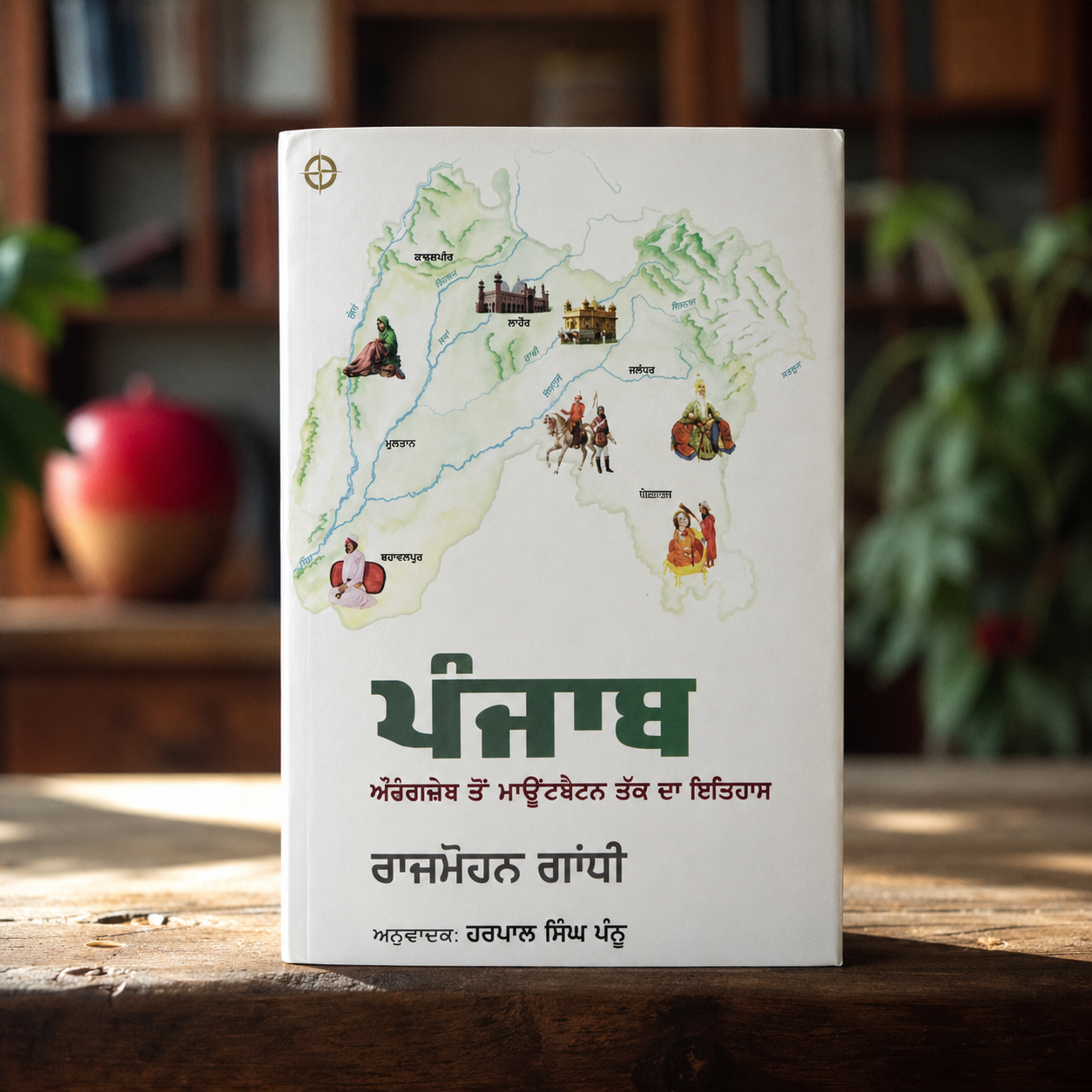
Punjab: Aurangzeb to Mountbatten in Punjabi (ਪੰਜਾਬ: ਔਰੰਗਜ਼ੇਬ ਤੋਂ ਮਾਊਂਟਬੈਟਨ ਤੱਕ) - Rajmohan Gandhi
Punjab: Aurangzeb to Mountbatten in Punjabi (ਪੰਜਾਬ: ਔਰੰਗਜ਼ੇਬ ਤੋਂ ਮਾਊਂਟਬੈਟਨ ਤੱਕ) - Rajmohan Gandhi
Couldn't load pickup availability
Share
"ਪੰਜਾਬ: ਔਰੰਗਜ਼ੇਬ ਤੋਂ ਮਾਊਂਟਬੈਟਨ ਤੱਕ" ਰਾਜਮੋਹਨ ਗਾਂਧੀ ਦੀ ਇੱਕ ਮਹੱਤਵਪੂਰਨ ਇਤਿਹਾਸਕ ਪੰਜਾਬੀ ਕਿਤਾਬ ਹੈ ਜੋ ਔਰੰਗਜ਼ੇਬ ਦੇ ਸ਼ਾਸਨ ਕਾਲ ਤੋਂ ਲੈ ਕੇ ਲਾਰਡ ਮਾਊਂਟਬੈਟਨ ਦੇ ਸਮੇਂ ਤੱਕ ਪੰਜਾਬ ਦੇ ਰਾਜਨੀਤਿਕ, ਸਮਾਜਿਕ, ਧਾਰਮਿਕ ਅਤੇ ਸੱਭਿਆਚਾਰਕ ਇਤਿਹਾਸ ਨੂੰ ਵਿਸਥਾਰ ਨਾਲ ਪੇਸ਼ ਕਰਦੀ ਹੈ। ਇਹ ਕਿਤਾਬ ਸਿੱਖ ਇਤਿਹਾਸ, ਮੁਗਲ ਰਾਜ, ਮਹਾਰਾਜਾ ਰਣਜੀਤ ਸਿੰਘ ਦੇ ਸ਼ਾਸਨ, ਬਰਤਾਨਵੀ ਰਾਜ ਅਤੇ 1947 ਦੀ ਵੰਡ ਤੱਕ ਦੇ ਮਹੱਤਵਪੂਰਨ ਘਟਨਾਕ੍ਰਮ ਨੂੰ ਸੰਤੁਲਿਤ ਅਤੇ ਖੋਜ-ਅਧਾਰਿਤ ਢੰਗ ਨਾਲ ਸਮਝਾਉਂਦੀ ਹੈ। ਪੰਜਾਬ ਦੇ ਇਤਿਹਾਸ ਨੂੰ ਡੂੰਘਾਈ ਨਾਲ ਜਾਣਨ ਵਾਲੇ ਪਾਠਕਾਂ ਲਈ ਇਹ ਇੱਕ ਅਹਿਮ ਕਿਤਾਬ ਹੈ।
"Punjab: Aurangzeb to Mountbatten" by Rajmohan Gandhi is a comprehensive Punjabi history book that traces the political, social, religious, and cultural journey of Punjab from the reign of Emperor Aurangzeb to the era of Lord Mountbatten. Through extensive historical research, the book examines the rise of Sikh power, the Mughal Empire, Maharaja Ranjit Singh's rule, British colonial administration, and the Partition of Punjab, making it an essential read for anyone interested in the rich and complex history of Punjab.
Book Details
Book Title: Punjab: Aurangzeb to Mountbatten (ਪੰਜਾਬ: ਔਰੰਗਜ਼ੇਬ ਤੋਂ ਮਾਊਂਟਬੈਟਨ ਤੱਕ)
Author: Rajmohan Gandhi
Language: Punjabi (Gurmukhi)
Genre: History / Political History
Category: Punjab History, Sikh History, Indian History
Available at: Kalam Kitaab
Punjab: Aurangzeb to Mountbatten – Detailed Guide
Punjab: Aurangzeb to Mountbatten (ਪੰਜਾਬ: ਔਰੰਗਜ਼ੇਬ ਤੋਂ ਮਾਊਂਟਬੈਟਨ ਤੱਕ) by Rajmohan Gandhi is a remarkable historical work that presents the story of Punjab over nearly three centuries, beginning with the reign of the Mughal emperor Aurangzeb and concluding with the rule of Lord Mountbatten and the Partition of India in 1947. Rather than focusing on a single ruler or event, the book offers readers a broad and balanced narrative of Punjab's political, religious, social, and cultural evolution.
Punjab has always occupied a unique position in the history of the Indian subcontinent. It has witnessed the rise and fall of empires, the birth and development of Sikhism, foreign invasions, remarkable military achievements, colonial rule, and one of the greatest human tragedies of the twentieth century—the Partition of India. Rajmohan Gandhi carefully brings together these different chapters of Punjab's past into a single, engaging narrative that helps readers understand how historical events shaped the identity of the region and its people.
The Punjabi edition makes this important work accessible to Punjabi readers, allowing them to explore their own history through well-researched and engaging prose.
The Scope of the Book
Unlike many history books that concentrate on one period or one historical figure, Punjab: Aurangzeb to Mountbatten covers a vast historical timeline. The narrative begins during the later years of the Mughal Empire under Aurangzeb, a period marked by significant political and religious changes that deeply affected Punjab.
From there, the book moves through the emergence of Sikh resistance, the formation of the Sikh Misls, the rise of Maharaja Ranjit Singh, the expansion of the Sikh Empire, the annexation of Punjab by the British, the freedom movement, and finally the Partition of 1947.
Because of this wide historical scope, readers gain an understanding not only of individual events but also of the connections between them. The book demonstrates how each generation inherited the consequences of earlier political decisions and social transformations.
The Historical Journey of Punjab
Punjab has always stood at the crossroads of civilizations. Situated in the northwestern part of the Indian subcontinent, it served as a gateway for traders, travellers, scholars, and invading armies. Throughout history, this geographical position brought both prosperity and conflict.
Rajmohan Gandhi explains how Punjab evolved through different historical phases without reducing its history to isolated events. Instead, he presents history as a continuous process in which political power, religion, economy, and society constantly influenced one another.
Readers witness how Punjab transformed from a Mughal province into the heartland of the Sikh Empire, later becoming one of the most important provinces under British rule before finally experiencing the devastating consequences of Partition.
Aurangzeb and the Changing Political Landscape
The reign of Aurangzeb forms the starting point of this historical journey because it represents a significant turning point in the history of northern India.
The book discusses the political and religious atmosphere of the Mughal Empire during this period and explains how changing imperial policies affected Punjab. It also provides historical context for understanding the challenges faced by Sikh Gurus and the growing importance of Sikh institutions during the late seventeenth century.
Rather than presenting simplified narratives, Rajmohan Gandhi encourages readers to examine historical developments within their broader political and social circumstances.
The Rise of Sikh Power
One of the central themes of the book is the remarkable rise of Sikh political and military power.
Following the sacrifices of the Sikh Gurus and the establishment of the Khalsa by Guru Gobind Singh Ji, Punjab entered a new historical phase. The Sikh community gradually evolved into a powerful political force capable of resisting external domination.
The author explains the emergence of the Sikh Misls, their organization, leadership, and contribution to protecting Punjab during periods of political instability.
This section helps readers understand how decentralized Sikh leadership eventually laid the foundation for the establishment of a unified Sikh kingdom.
Maharaja Ranjit Singh and the Sikh Empire
No history of Punjab can be complete without discussing Maharaja Ranjit Singh, and Rajmohan Gandhi devotes considerable attention to this extraordinary ruler.
The book examines how Maharaja Ranjit Singh united the Sikh Misls and created one of the strongest kingdoms in nineteenth-century Asia. His administration, military reforms, diplomatic skills, and secular approach to governance receive detailed attention.
Readers also learn about the multicultural character of his court, where individuals belonging to different religious communities served together in important administrative and military positions.
The discussion extends beyond military achievements to include governance, trade, diplomacy, architecture, and the political stability that Punjab experienced under his leadership.
British Annexation and Colonial Rule
Following the decline of the Sikh Empire, Punjab eventually came under British control.
Rajmohan Gandhi explains how colonial administration transformed Punjab's political institutions, economy, agriculture, education, and infrastructure. The book discusses the Anglo-Sikh Wars, British administrative policies, and the gradual integration of Punjab into the British Empire.
Rather than portraying colonial rule in simplistic terms, the author explores both its institutional changes and its long-term consequences for Punjabi society.
Readers gain insight into how British governance reshaped the region while simultaneously giving rise to new political movements and demands for self-government.
Freedom Movement and Political Awakening
The twentieth century witnessed dramatic political changes throughout India, and Punjab played a central role in many of these developments.
The book discusses the growth of nationalist movements, constitutional reforms, revolutionary activities, and the participation of Punjabis in India's struggle for independence.
Rajmohan Gandhi explains the diversity of political opinions within Punjab and illustrates how different communities responded to changing political circumstances.
This balanced treatment allows readers to appreciate the complexity of Punjab's political landscape during the final decades of British rule.
The Tragedy of Partition
The concluding chapters examine one of the most painful events in Punjab's history—the Partition of India in 1947.
Rajmohan Gandhi describes how political negotiations eventually resulted in the division of Punjab and the creation of international borders that permanently transformed the region.
The book explains the massive migration of millions of people, widespread communal violence, the loss of ancestral homes, and the enduring emotional impact of Partition.
Rather than focusing solely on political leaders, the author emphasizes the experiences of ordinary people whose lives changed forever.
This human perspective makes the final chapters especially moving and thought-provoking.
About the Author
Rajmohan Gandhi is one of India's most respected historians, biographers, and public intellectuals. Known for his careful scholarship and balanced historical interpretation, he has written extensively on Indian history, political leadership, freedom movements, and the lives of significant historical figures.
His deep understanding of South Asian history enables him to present complex historical developments in an accessible and engaging manner.
Instead of promoting ideological viewpoints, Rajmohan Gandhi emphasizes historical evidence, careful interpretation, and intellectual honesty.
These qualities have earned him recognition among scholars as well as general readers.
Writing Style
One of the greatest strengths of Punjab: Aurangzeb to Mountbatten is its clear and engaging writing style.
Although the book is based on extensive historical research, it avoids unnecessarily complicated academic language. Historical events are presented chronologically, making it easy for readers to follow political developments over several centuries.
The author successfully combines factual information with narrative storytelling, ensuring that the book remains informative without becoming difficult to read.
Important historical personalities are introduced with sufficient context, enabling readers to understand both their achievements and their limitations.
The writing encourages critical thinking rather than emotional reactions, making the book suitable for students, researchers, and general readers alike.
Major Themes Explored
Political Transformation
The book follows Punjab's transformation from Mughal administration to the Sikh Empire, British colonial rule, and eventual Partition.
Sikh History
It provides valuable insight into the evolution of Sikh political power and the historical circumstances surrounding the Sikh community.
Leadership
Readers encounter influential historical figures whose decisions shaped Punjab's future over several centuries.
Colonialism
The author examines the impact of British administration on Punjab's institutions, economy, and society.
Identity
The book explores how historical experiences contributed to the development of Punjabi identity across different communities.
Partition
The final chapters examine the political decisions and human consequences associated with the division of Punjab in 1947.
What Makes This Book Special?
Several features distinguish this book from many other histories of Punjab.
First, it presents nearly three centuries of Punjab's history within a single coherent narrative, allowing readers to understand long-term historical developments rather than isolated events.
Second, Rajmohan Gandhi adopts a balanced and evidence-based approach. Instead of glorifying or condemning particular individuals, he examines historical developments through careful analysis of available evidence.
Third, the book places equal emphasis on political history and social history. Readers not only learn about rulers and governments but also about the experiences of ordinary people whose lives were shaped by historical change.
Finally, the Punjabi edition makes this internationally respected work accessible to readers who prefer studying history in their mother tongue.
Why Should You Read Punjab: Aurangzeb to Mountbatten?
This book is highly recommended for anyone seeking a deeper understanding of Punjab's history.
By reading this work, you will:
- Understand the historical evolution of Punjab over nearly three centuries.
- Learn about the rise and decline of major political powers.
- Explore the growth of Sikh political leadership.
- Gain insight into British colonial administration.
- Better understand the causes and consequences of the Partition of Punjab.
- Develop a balanced perspective based on historical evidence rather than popular myths.
Whether you are reading for academic purposes or personal interest, the book offers valuable knowledge that remains relevant even today.
Who Should Read This Book?
This book is ideal for:
Students
Students of Punjab History, Sikh Studies, Political Science, and Modern Indian History.
Researchers
Researchers seeking a well-documented overview of Punjab's historical development.
Competitive Examination Aspirants
Readers preparing for examinations that include Indian or Punjab history.
History Enthusiasts
Anyone interested in understanding the political, social, and cultural heritage of Punjab.
Punjabi Readers
Readers looking for a comprehensive history of Punjab in the Punjabi language.
Conclusion
Punjab: Aurangzeb to Mountbatten (ਪੰਜਾਬ: ਔਰੰਗਜ਼ੇਬ ਤੋਂ ਮਾਊਂਟਬੈਟਨ ਤੱਕ) is an outstanding historical work that successfully presents the complex story of Punjab across nearly three hundred years. Through meticulous research, balanced interpretation, and engaging storytelling, Rajmohan Gandhi guides readers through the major events, personalities, and political transformations that shaped one of South Asia's most significant regions.
From the Mughal Empire and the rise of Sikh power to Maharaja Ranjit Singh's kingdom, British colonial rule, the freedom movement, and the tragic Partition of 1947, the book provides readers with a comprehensive understanding of Punjab's remarkable historical journey. It is an invaluable resource for students, researchers, and every reader who wishes to explore the rich, diverse, and often turbulent history of Punjab through a thoughtful, evidence-based narrative.