


Kalam Kitaab
Pujari (ਪੂਜਾਰੀ) Novel – Nanak Singh
Pujari (ਪੂਜਾਰੀ) Novel – Nanak Singh
Couldn't load pickup availability
Share
"Pujari" is Nanak Singh's thought-provoking Punjabi novel that critiques religious hypocrisy, blind rituals, and the clash between true spirituality and outward piety. Through compelling characters, it explores moral dilemmas, social reform, and the search for genuine faith in early 20th-century Punjab.
"ਪੂਜਾਰੀ" ਨਾਨਕ ਸਿੰਘ ਦਾ ਚਿੰਤਨਸ਼ੀਲ ਪੰਜਾਬੀ ਨਾਵਲ ਹੈ ਜੋ ਧਾਰਮਿਕ ਪਾਖੰਡ, ਅੰਧ ਰਸਮਾਂ ਅਤੇ ਅਸਲ ਰੂਹਾਨੀਅਤ ਬਨਾਮ ਬਾਹਰੀ ਭਗਤੀ ਦੇ ਟਾਕਰੇ ਨੂੰ ਆਲੋਚਨਾ ਕਰਦਾ ਹੈ। ਮਜ਼ਬੂਤ ਪਾਤਰਾਂ ਰਾਹੀਂ ਇਹ ਨੈਤਿਕ ਦੁਵਿਧਾਵਾਂ, ਸਮਾਜਿਕ ਸੁਧਾਰ ਅਤੇ ਸੱਚੀ ਆਸਥਾ ਦੀ ਖੋਜ ਨੂੰ ਉਜਾਗਰ ਕਰਦਾ ਹੈ।
Book Title: ਪੂਜਾਰੀ (Pujari)
Author: Nanak Singh
Language: Punjabi (Gurmukhi)
Genre: Novel (Social/Spiritual)
Available at: Kalam Kitaab

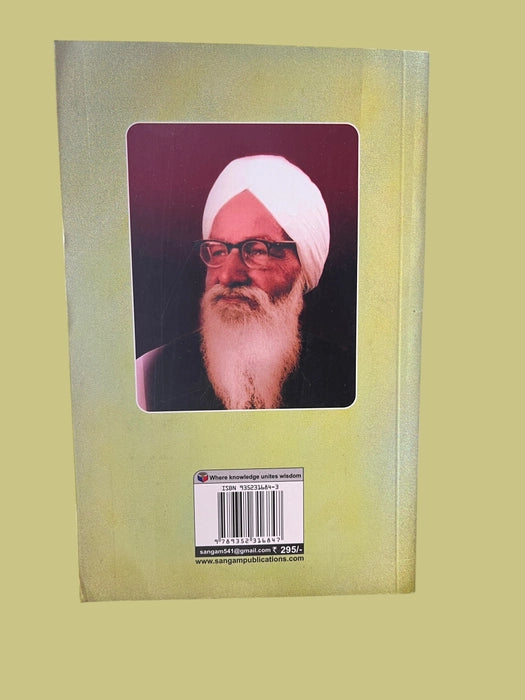
Pujari Book: Nanak Singh's Novel Powerful Critique of Religious Hypocrisy
"Pujari book," originally published in the 1940s and one of Nanak Singh's notable social reform novels, is a compelling exploration of faith, morality, and societal contradictions in pre-independence Punjab. Nanak Singh (1897–1971), revered as the "Father of the Punjabi Novel" for his prolific output of over 50 works addressing humanism and reform, uses this novel to challenge blind religious practices and hypocrisy among clergy and devotees. The "Pujari book" reflects Singh's progressive vision, drawing from his own experiences and observations to advocate genuine spirituality over ritualism.
With empathetic yet sharp storytelling, the "Pujari book" questions how religion can become a tool for exploitation while yearning for its purifying essence, making it a timeless commentary on faith in modern society.
Plot and Central Narrative in the Book
The "Pujari book" revolves around a temple priest ("pujari") whose life embodies the conflict between outward devotion and inner truth. Surrounded by devotees seeking miracles through rituals, the pujari grapples with personal doubts, moral compromises, and societal pressures.
Nanak Singh weaves interconnected stories of villagers – superstitious followers, skeptical youth, exploited women – revealing how blind faith sustains hypocrisy. Key events include challenges to the pujari's authority, personal crises exposing flaws, and moments of awakening that question traditional piety.
The narrative builds through temple routines, festivals, and conflicts, culminating in reflections on authentic righteousness beyond dogma.
Key Themes in Pujari Book
Religious Hypocrisy and Ritualism
Core to the "Pujari book" is critique of performative religion – priests and devotees engaging in empty rituals for social status or gain.
Search for True Spirituality
Singh contrasts superficial worship with genuine inner connection, advocating faith rooted in compassion and ethics.
Social Reform and Moral Dilemmas
The novel addresses exploitation in name of religion, gender roles, and need for rational thought in tradition-bound society.
Human Frailty and Redemption
Characters' vulnerabilities highlight universal struggles, offering hope through self-awareness and change.
Nanak Singh's Writing Style in the Book
Nanak Singh's prose in the "Pujari book" is clear, engaging Punjabi – rich in dialogue reflecting rural speech and subtle irony exposing contradictions. His poetic background infuses descriptions with lyrical quality, while realistic portrayal avoids preachiness.
Character-driven plot builds empathy, letting moral questions emerge naturally through lived experiences.
Cultural and Literary Significance of the Book
"Pujari book" contributes to Nanak Singh's legacy of reformist fiction, alongside works like "Pavittar Paapi" and "Chitta Lahu." It challenged religious orthodoxy in its time, promoting rational spirituality.
In Punjabi literature, it remains valued for thoughtful commentary on faith amid modernization, influencing discussions on religion's role in society.
Nanak Singh's Broader Legacy
From humble beginnings and Jallianwala Bagh survivor, Nanak Singh wrote prolifically on social issues, Partition, and humanism. The "Pujari book" exemplifies his balanced critique – exposing flaws while upholding ethical ideals.
His novels shaped Punjabi fiction's social consciousness.
Why Pujari Resonates Today
In debates on religious identity and reform, the "Pujari book" by Nanak Singh offers enduring insight – questioning performative faith while seeking authentic connection.
Thought-provoking and compassionate, "Pujari" is essential reading – a nuanced exploration of spirituality that challenges dogma while inspiring deeper understanding of human beliefs.
Insightful, timeless, and socially relevant, the "Pujari book" affirms Nanak Singh's mastery in portraying faith's contradictions with empathy and wisdom.