


Kalam Kitaab
Pavitar Paapi Novel (ਪਵਿੱਤਰ ਪਾਪੀ) – Nanak Singh
Pavitar Paapi Novel (ਪਵਿੱਤਰ ਪਾਪੀ) – Nanak Singh
Couldn't load pickup availability
Share
"Pavitar Paapi" is a poignant psychological novel by Nanak Singh that explores themes of guilt, redemption, unrequited love, and selfless sacrifice. Through the story of a man tormented by remorse for unintentionally causing another's despair, it delves into human morality and the blurred lines between sin and sanctity.
"ਪਵਿੱਤਰ ਪਾਪੀ" ਨਾਨਕ ਸਿੰਘ ਵੱਲੋਂ ਲਿਖਿਆ ਇੱਕ ਮਾਰਮਿਕ ਮਨੋਵਿਗਿਆਨਕ ਨਾਵਲ ਹੈ ਜੋ ਅਪਰਾਧ-ਭਾਵਨਾ, ਮੁਕਤੀ, ਅਧੂਰੇ ਪਿਆਰ ਅਤੇ ਨਿਸਵਾਰਥ ਬਲੀਦਾਨ ਦੇ ਵਿਸ਼ਿਆਂ ਨੂੰ ਖੋਜਦਾ ਹੈ। ਇੱਕ ਅਜਿਹੇ ਵਿਅਕਤੀ ਦੀ ਕਹਾਣੀ ਰਾਹੀਂ ਜੋ ਅਣਜਾਣੇ ਵਿੱਚ ਕਿਸੇ ਦੀ ਨਿਰਾਸ਼ਾ ਦਾ ਕਾਰਨ ਬਣਦਾ ਹੈ, ਇਹ ਮਨੁੱਖੀ ਨੈਤਿਕਤਾ ਅਤੇ ਪਾਪ-ਪੁੰਨ ਦੀਆਂ ਅਸਪੱਸ਼ਟ ਲਕੀਰਾਂ ਨੂੰ ਉਜਾਗਰ ਕਰਦਾ ਹੈ।
Book Title: Pavitar Paapi (ਪਵਿੱਤਰ ਪਾਪੀ)
Author: Nanak Singh
Language: Punjabi (Gurmukhi)
Genre: Novel (Psychological/Social Drama)
Available at: Kalam Kitaab


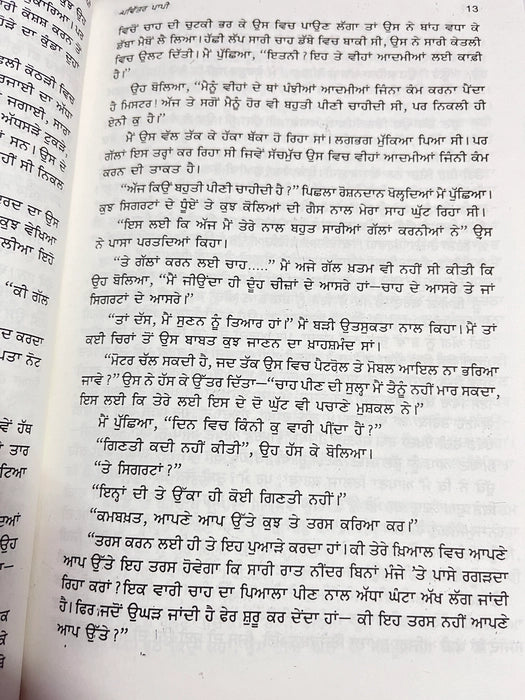
Pavitar Paapi by Nanak Singh – Book Description, Story Overview, Themes, and Literary Style
Pavitar Paapi is one of the most powerful and widely read Punjabi novels written by Nanak Singh, who is often regarded as the father of the modern Punjabi novel. The title of the book literally translates to “Holy Sinner”, a phrase that beautifully captures the central idea of the story—that a person who appears guilty in the eyes of society may actually possess a pure and noble heart.
The novel presents a deeply emotional narrative that explores human morality, sacrifice, guilt, love, and compassion. Through the life of a simple young man named Kedarnath, the author examines how a single event can transform a person’s life and lead them toward a journey of responsibility and redemption.
Set in the social environment of pre-partition Punjab, the novel reflects the realities of middle-class life, unemployment, social expectations, and economic hardship. The story portrays ordinary people facing difficult circumstances, and it highlights how human decisions—whether intentional or accidental—can deeply affect the lives of others.
More than just a story, Pavitar Paapi is a profound reflection on the nature of human conscience. It asks an important moral question: Can a person who commits a wrong act still be morally pure if their intentions are selfless? Through the experiences of its characters, the novel attempts to answer this question in a deeply moving way.
Introduction to the Story
At the center of the novel is Kedarnath, a young man who arrives in the city in search of work and a better life. He is skilled in repairing watches, a trade that requires patience, precision, and dedication. Like many young men of his time, Kedarnath leaves his hometown hoping to find stability and independence through honest labor.
Eventually, he finds employment in a watch repair shop owned by Lala Atarchand. This job appears to be a small but important opportunity for him to establish himself in the city.
However, the position he receives previously belonged to another man named Pannalal.
Pannalal is a hardworking but financially struggling watchmaker who had been supporting his family through this job. His family consists of his wife Maya and their two daughters Veena and Vidya. Because Kedarnath is willing to work for a lower salary, the shop owner decides to dismiss Pannalal and hire Kedarnath instead.
Although Kedarnath had no intention of taking someone else’s livelihood, this moment unknowingly becomes the beginning of a tragic chain of events.
Pannalal’s Downfall
After losing his job, Pannalal finds himself in a desperate situation. In a society where employment opportunities are limited, losing a job often means losing the ability to support one’s family.
Pannalal begins searching for work but repeatedly fails to find a stable source of income. The stress of poverty and humiliation slowly begins to affect his mental state. As days pass, he becomes increasingly frustrated and hopeless.
His wife Maya tries to remain strong for the sake of their daughters, but the family’s financial condition continues to worsen. The daughters, especially Veena, become aware of the difficulties their parents are facing.
The burden of responsibility and the feeling of failure eventually become unbearable for Pannalal.
One day, overwhelmed by despair, he writes a letter in which he blames Kedarnath for his misfortune. Shortly afterward, he disappears from his home, leaving his family behind.
This sudden disappearance shocks the family and leaves them in an even more difficult situation.
Kedarnath’s Guilt and Moral Awakening
When Kedarnath learns about Pannalal’s disappearance and reads the letter written by him, he is deeply disturbed. Although he never intended to harm Pannalal, he begins to feel responsible for the suffering of the entire family.
This realization becomes the turning point of the novel.
Kedarnath experiences intense guilt and moral conflict. He understands that while he did not deliberately commit a crime, his presence indirectly caused another man to lose his livelihood and dignity.
Unable to ignore this feeling, Kedarnath decides to take responsibility for the family that has been left behind.
From that moment onward, he secretly begins helping Pannalal’s wife and daughters. He ensures that they have food, clothing, and financial support so that they can continue living with dignity.
However, Kedarnath does not reveal his identity as their helper. Instead, he tells them that Pannalal has gone away for work and will send money whenever possible.
By doing this, he hopes to preserve the family’s hope and emotional stability.
Veena and Kedarnath
As time passes, Kedarnath becomes closely connected to the family. During this period, the elder daughter Veena grows into a graceful, intelligent, and compassionate young woman.
Kedarnath gradually develops deep feelings of affection for her.
However, his love is silent and restrained. He believes that he has no moral right to express his feelings because he considers himself responsible for the suffering of her father.
For Kedarnath, loving Veena would feel like taking advantage of a family that he has already harmed.
This internal conflict becomes one of the most emotional elements of the novel. Kedarnath constantly struggles between his feelings and his sense of duty.
The Marriage Crisis
Before his disappearance, Pannalal had arranged Veena’s marriage with the son of a wealthy man named Daulatram.
However, with Pannalal gone and the family struggling financially, the marriage arrangement begins to fall apart. Daulatram’s family starts demanding financial support and social respectability that Maya cannot provide.
The situation becomes extremely stressful for Maya and her daughters. In traditional society, a broken marriage arrangement could seriously damage a young woman’s reputation.
Seeing their distress, Kedarnath decides to intervene.
But he faces a difficult problem: arranging a marriage requires a significant amount of money, and he does not have enough savings.
Kedarnath’s Sacrifice
In a moment of desperation and sacrifice, Kedarnath commits an act that will forever label him as a “sinner” in the eyes of society.
He secretly steals money from the shop where he works.
However, he does not keep the money for himself. Instead, he gives it to Maya and tells her that Pannalal has sent the money for his daughter’s wedding.
Because of this money, the marriage ceremony is successfully arranged and completed.
While the family celebrates the marriage, Kedarnath quietly disappears from the town to avoid suspicion and punishment.
Later, through hard work and determination, he gradually repays the stolen money to the shop owner in installments.
This act reveals the essence of Kedarnath’s character—he is willing to sacrifice his own reputation and security for the happiness of others.
Veena’s Difficult Married Life
Unfortunately, Veena’s married life does not turn out to be happy.
Her husband’s family proves to be greedy and demanding. Instead of providing love and respect, they treat her poorly and continue to pressure her family for more money.
Veena faces emotional suffering and loneliness in her new home.
Meanwhile, after many years of absence, Pannalal eventually returns.
When he learns about everything that has happened—Kedarnath’s sacrifices, his financial support for the family, and the way he protected their dignity—he begins to see the truth.
He realizes that Kedarnath was never his enemy.
In fact, Kedarnath devoted his life to repairing the damage caused by a situation he never intended to create.
Emotional Resolution of the Story
As the story approaches its conclusion, Kedarnath once again becomes involved in solving the problems faced by Veena.
Through his guidance and support, her marital difficulties are gradually addressed, and her future becomes more stable.
However, despite loving Veena deeply, Kedarnath chooses not to pursue a relationship with her.
His love remains silent and selfless.
In the end, Kedarnath quietly walks away from the life he helped rebuild, carrying with him the dignity of sacrifice and moral courage.
This ending reinforces the central idea of the novel: true purity lies not in being free from mistakes but in having the courage to take responsibility and act with compassion.
Moral Lessons of the Novel
One of the most remarkable aspects of Pavitar Paapi is its powerful moral message. The novel encourages readers to reflect on several important truths about life and human character.
1. Human Character Is Complex
The novel shows that people cannot always be judged as simply good or bad. Kedarnath commits theft, but his intention is selfless and compassionate.
2. Moral Responsibility Matters
Even though Kedarnath did not intentionally harm Pannalal, he feels responsible for the consequences of his actions and works to correct them.
3. True Love Requires Sacrifice
Kedarnath’s silent love for Veena demonstrates that genuine love often means putting another person’s happiness above one’s own desires.
4. Compassion Is the Foundation of Humanity
The novel reminds readers that empathy and kindness are essential qualities that help maintain harmony in society.
Nanak Singh’s Literary Style
The literary style of Nanak Singh in Pavitar Paapi is both simple and emotionally powerful.
One of the most notable features of his writing is the ability to portray ordinary people and everyday struggles in a deeply relatable way. His characters are not extraordinary heroes but common individuals facing real-life problems.
Another important aspect of his style is psychological depth. The inner conflict experienced by Kedarnath is portrayed with great sensitivity, allowing readers to understand his moral dilemma.
Nanak Singh also uses clear and accessible language, which makes his novels easy to read while still conveying meaningful philosophical ideas.
Additionally, his storytelling often includes social commentary. Through the struggles of the characters, he highlights issues such as unemployment, poverty, social pressure, and the vulnerability of middle-class families.
Lasting Importance of the Novel
Even decades after its publication, Pavitar Paapi remains one of the most beloved works of Punjabi literature.
Its themes of guilt, redemption, love, and moral responsibility are universal and timeless. Readers from different generations continue to connect with the emotional journey of Kedarnath.
The novel reminds us that life is rarely simple and that moral decisions often exist in shades of grey rather than black and white.
Through the unforgettable story of Kedarnath, Nanak Singh created a narrative that encourages readers to reflect on their own values and responsibilities toward others.
Ultimately, Pavitar Paapi is not just a story about one man’s sacrifices. It is a profound exploration of human conscience, compassion, and the possibility of redemption, making it one of the most meaningful and enduring novels in Punjabi literature.