


Kalam Kitaab
Mai Te Mai Book (ਮੈਂ ਤੇ ਮੈਂ) – Shiv Kumar Batalvi
Mai Te Mai Book (ਮੈਂ ਤੇ ਮੈਂ) – Shiv Kumar Batalvi
Couldn't load pickup availability
Share
"Mai Te Mai" is an introspective poetry collection by Shiv Kumar Batalvi that delves into the inner conflicts of the self, blending autobiographical elements with profound explorations of identity, love, separation, and existential turmoil. Known for its raw emotional depth, it captures the duality of human existence through lyrical and passionate verses.
"ਮੈਂ ਤੇ ਮੈਂ" ਸ਼ਿਵ ਕੁਮਾਰ ਬਟਾਲਵੀ ਦਾ ਇੱਕ ਅੰਤਰਮੁਖੀ ਕਾਵਿ-ਸੰਗ੍ਰਹਿ ਹੈ ਜੋ ਆਤਮਿਕ ਦੁਬਿਧਾਵਾਂ ਨੂੰ ਉਜਾਗਰ ਕਰਦਾ ਹੈ, ਨਿੱਜੀ ਜੀਵਨ ਦੇ ਤੱਤਾਂ ਨਾਲ ਮਿਲਾ ਕੇ ਪਛਾਣ, ਪਿਆਰ, ਵਿਛੋੜੇ ਅਤੇ ਹੋਂਦੀ ਉਲਝਣ ਨੂੰ ਡੂੰਘਾਈ ਨਾਲ ਖੋਜਦਾ ਹੈ। ਇਸ ਦੀ ਕੱਚੀ ਭਾਵੁਕ ਡੂੰਘਾਈ ਲਈ ਜਾਣਿਆ ਜਾਂਦਾ, ਇਹ ਮਨੁੱਖੀ ਹੋਂਦ ਦੀ ਦੁਵਿੱਧਤਾ ਨੂੰ ਗੀਤਾਤਮਕ ਅਤੇ ਜਜ਼ਬਾਤੀ ਬੰਦਾਂ ਰਾਹੀਂ ਫੜਦਾ ਹੈ।
Book Title: Mai Te Mai (ਮੈਂ ਤੇ ਮੈਂ)
Author: Shiv Kumar Batalvi
Language: Punjabi (Gurmukhi)
Genre: Poetry Collection (ਕਾਵਿ-ਸੰਗ੍ਰਹਿ)
Available at: Kalam Kitaab

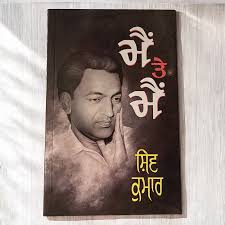
Mai Te Mai: Shiv Kumar Batalvi's Introspective Journey
"Mai Te Mai," published in 1970, is a deeply personal and autobiographical poetry collection by Shiv Kumar Batalvi, the iconic Punjabi poet celebrated for his intense romanticism and emotional vulnerability. This slim volume of around 75 pages stands out in Batalvi's oeuvre for its shift toward self-examination, where the poet confronts the duality within—"I and Me"—exploring the conflicts between the outer self and the inner turmoil. Coming later in his career, amid personal struggles with health, relationships, and existential questions, this collection reflects a more mature, introspective phase of Batalvi's writing, while retaining his signature pathos, passion, and lyrical beauty.
The title "Mai Te Mai" (I and Me) symbolizes the internal dialogue and fragmentation of the self, a recurring motif that weaves through the poems. Batalvi, often called the "Birha da Sultan" for his mastery over themes of separation, here turns inward, blending his life experiences with universal questions of identity and existence.
Autobiographical Elements and Personal Context
Life Reflections in Verse
Many poems in "Mai Te Mai" draw directly from Batalvi's own experiences—his tumultuous loves, sense of isolation, and awareness of mortality. By 1970, Batalvi was grappling with failing health (liver issues that would claim his life just three years later at age 36), unfulfilled desires, and the weight of fame. The collection feels like a confessional diary, where the poet lays bare his vulnerabilities without restraint.
Autobiographical threads are evident in verses that ponder lost youth, fractured relationships, and the search for meaning. Batalvi's adoption of a feminine voice, common in his work, adds layers of empathy and complexity, allowing him to explore emotions from multiple perspectives.
The Duality of Self
The core theme revolves around the "mai te mai"—the split between the public persona and the private agony. Poems depict the self as divided: one part yearning for connection, the other trapped in loneliness. This inner conflict mirrors broader human struggles with identity in a changing world.
Key Themes Explored
Love, Separation, and Longing
True to Batalvi's style, love remains central, but here it's intertwined with self-doubt and unfulfillment. Birha (separation) evolves from romantic loss to separation from one's own essence, amplifying the pain of existence.
Inner Conflict and Existential Turmoil
The collection delves into psychological depths, questioning the nature of the self amid modernity's alienations. Poems evoke a sense of duality—joy and sorrow coexisting, desire clashing with restraint—reflecting Batalvi's own life of intense highs and devastating lows.
Passion and Pathos
Batalvi's language is melodic and rhythmic, rooted in Punjabi folk traditions yet profoundly personal. His verses pulse with raw emotion, using vivid imagery of nature, youth, and fleeting beauty to convey the fragility of life.
Notable Poems and Style
While the collection is compact, standout pieces include introspective monologues and lyrical expressions of inner chaos. Batalvi's famous ability to sing his own poems adds a performative dimension—many lines feel meant to be recited aloud, carrying the musicality that made his recitations legendary.
His style here is more restrained than in earlier works like "Loona," focusing on subtlety and depth rather than dramatic narrative. Yet, the passion remains undimmed, earning praise for its honest portrayal of human complexity.
Shiv Kumar Batalvi's Broader Legacy
Place in Punjabi Literature
"Mai Te Mai" exemplifies Batalvi's evolution from youthful romanticism to philosophical introspection. Alongside masterpieces like "Loona" (Sahitya Akademi winner) and "Birha Tu Sultan," it solidifies his status as a modern Punjabi icon, comparable to John Keats for his lyrical intensity and tragic life.
Cultural Resonance
Batalvi's poems continue to inspire singers and artists, with themes of inner conflict resonating in today's fast-paced world. His sensitivity, often proto-feminist in voicing unspoken emotions, adds timeless appeal.
Why Mai Te Mai Endures
This collection is a profound meditation on the self, offering readers not just poetry but a mirror to their own inner divides. Batalvi's unflinching honesty transforms personal pain into universal catharsis, making "Mai Te Mai" essential for anyone seeking depth in Punjabi literature.
In an era of superficial connections, Batalvi reminds us that true understanding begins with confronting the "mai te mai"—the eternal dialogue within. This intimate anthology ensures his voice echoes eternally, touching hearts with its raw, resonant truth.