

Kalam Kitaab
Loona (ਲੂਣਾ) Book – Shiv Kumar Batalvi
Loona (ਲੂਣਾ) Book – Shiv Kumar Batalvi
Couldn't load pickup availability
Share
"Loona" is a groundbreaking epic verse play by Shiv Kumar Batalvi that reimagines the ancient Punjabi legend of Puran Bhagat from the perspective of Loona, a young woman trapped in societal constraints. It explores themes of unfulfilled desire, passion, and feminine agony, earning Batalvi the Sahitya Akademi Award in 1967.
"ਲੂਣਾ" ਸ਼ਿਵ ਕੁਮਾਰ ਬਟਾਲਵੀ ਵੱਲੋਂ ਲਿਖਿਆ ਇੱਕ ਮਹਾਂਕਾਵਿ ਨਾਟਕ ਹੈ ਜੋ ਪੁਰਾਤਨ ਪੰਜਾਬੀ ਲੋਕ ਕਥਾ ਪੂਰਨ ਭਗਤ ਨੂੰ ਲੂਣਾ ਦੇ ਨਜ਼ਰੀਏ ਤੋਂ ਨਵੇਂ ਸਿਰੇ ਤੋਂ ਪੇਸ਼ ਕਰਦਾ ਹੈ। ਇਹ ਅਧੂਰੀ ਇੱਛਾ, ਜਜ਼ਬਾਤ ਅਤੇ ਔਰਤ ਦੀ ਪੀੜ ਦੇ ਵਿਸ਼ਿਆਂ ਨੂੰ ਛੂਹੰਦਾ ਹੈ ਅਤੇ 1967 ਵਿੱਚ ਸਾਹਿਤ ਅਕਾਦਮੀ ਅਵਾਰਡ ਜਿੱਤਿਆ।
Book Title: Loona (ਲੂਣਾ)
Author: Shiv Kumar Batalvi
Language: Punjabi (Gurmukhi)
Genre: Epic Verse Play (ਕਾਵਿ-ਨਾਟਕ)
Available at: Kalam Kitaab
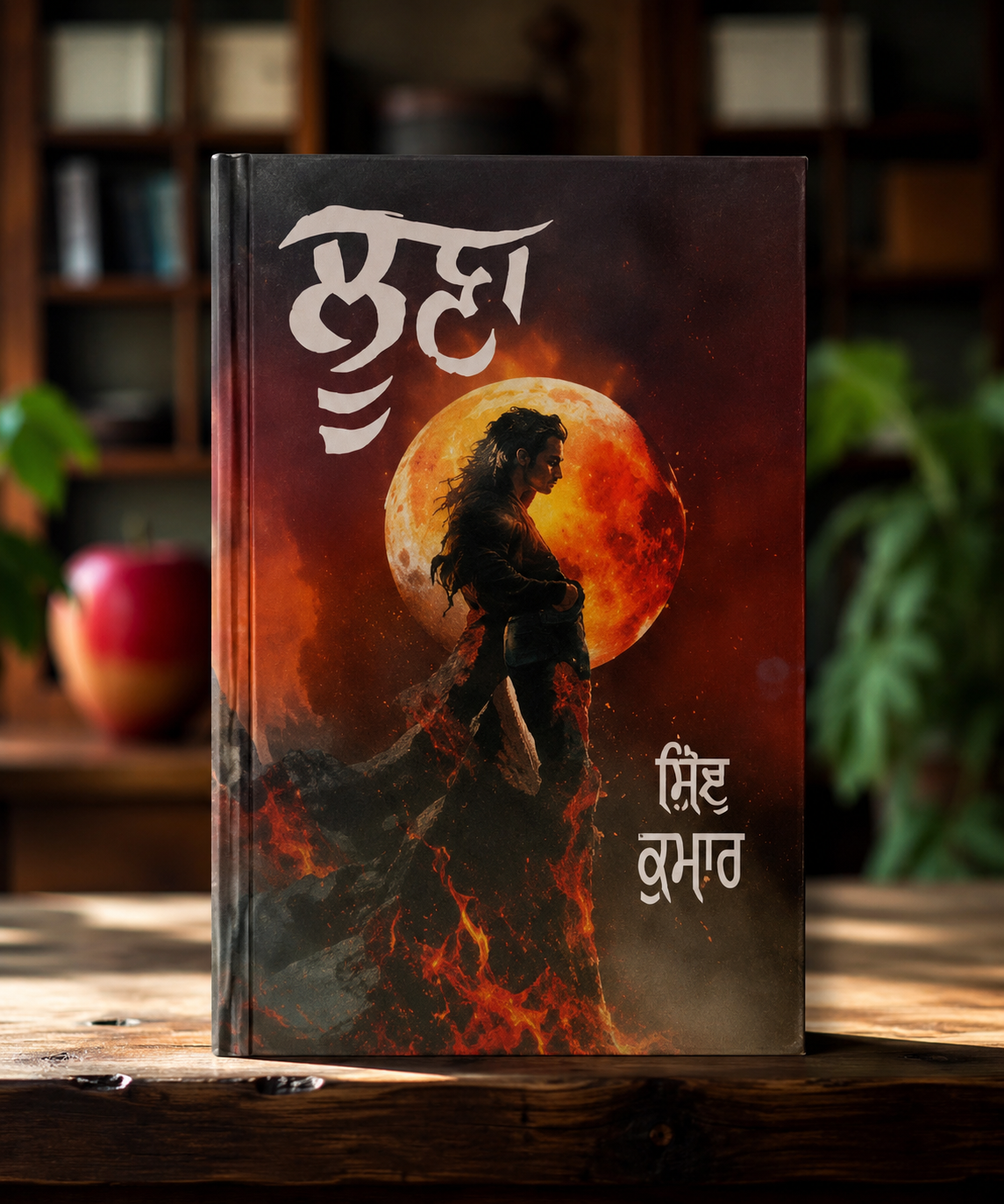
A Revolutionary Retelling: The Agony and Voice of Loona
"Loona" by Shiv Kumar Batalvi, first published in 1965, is widely regarded as a masterpiece of modern Punjabi literature. Written as an epic verse play (kavi-natak), it earned the young poet—at just 29 years old—the prestigious Sahitya Akademi Award in 1967, making him the youngest recipient ever. Batalvi, often called the "John Keats of Punjabi poetry" for his intense romanticism and pathos, transformed a centuries-old folk legend into a powerful feminist narrative that challenges patriarchal norms and gives voice to feminine desire and suffering.
The work draws from the traditional Punjabi qissa (folk tale) of Puran Bhagat, but Batalvi boldly shifts the focus from the male saint-hero to Loona, the woman traditionally portrayed as a villain. Through lyrical verse rich in emotion, symbolism, and musical rhythm, "Loona" explores the psychological depths of its characters, questioning societal injustices and celebrating raw human passion.
The Traditional Legend vs. Batalvi's Vision
The Ancient Folk Tale of Puran Bhagat
In the classic Punjabi legend, passed down through oral tradition and earlier qisse by poets like Qadiryar, King Salwan of Sialkot has a son, Puran, from his first wife. After years without another child, he marries a much younger woman named Loona (or Luna), from a lower social background. Loona, feeling neglected and attracted to the handsome young Puran (her stepson, roughly her age), propositions him. When Puran rejects her advances on moral and spiritual grounds, an enraged Loona falsely accuses him of misconduct. The king, believing her, orders Puran's hands and feet cut off and throws him into a well. Puran survives, becomes a bhagat (saint), and eventually forgives both Loona and his father. Loona later bears a son, Rasalu, who becomes a legendary hero.
In this version, Loona is the antagonist—a symbol of lust and deceit—while Puran is the pious victim.
Batalvi's Radical Reinterpretation
Shiv Kumar Batalvi completely inverts this narrative. He tells the story primarily from Loona's perspective, portraying her not as a villain but as a tragic figure: a teenage girl from a humble background, forcibly married to an older king against her will, deprived of love, companionship, and fulfillment. Her attraction to Puran is depicted as natural and human—a cry for affection in a loveless marriage imposed by societal and patriarchal structures.
Batalvi empathizes deeply with Loona's inner turmoil, her unquenched desires, and the pain of rejection. When Puran spurns her, her accusation stems from humiliation, despair, and societal pressure rather than pure malice. The play humanizes her agony, questioning why a woman's natural desires are condemned while male asceticism is glorified.
This shift makes "Loona" a pioneering work in Punjabi literature, often seen as proto-feminist. It challenges rigid morality, caste norms, and gender roles, arguing that love and passion are innate human rights.
Key Characters and Structure
Main Characters
- Loona: The protagonist, a young, vibrant woman whose voice dominates the play. Her monologues express raw emotion, longing, and rebellion.
- Puran Bhagat: The stepson, portrayed as idealistic and ascetic, but his rejection adds to Loona's suffering.
- King Salwan: Represents patriarchal authority, quick to judge and punish.
- Supporting figures: Including Loona's friend Eera and a sutradhar (narrator) who frames the dramatic verses.
The play is structured in acts, blending dialogue, soliloquies, and choral elements, with language that is poetic, rhythmic, and suitable for musical recitation—a nod to Punjabi folk traditions.
Themes of Passion, Pain, and Empathy
Unfulfilled Desire and Lover's Agony
True to Batalvi's style, "Loona" is steeped in birha (separation) and intense passion. Loona's unfulfilled love becomes a metaphor for deeper human longing, echoing Batalvi's own romantic poetry filled with pathos.
Feminine Perspective and Empathy
Batalvi delves into a woman's psyche with remarkable sensitivity, voicing her sexual and emotional needs openly—a bold move in 1960s literature. Critics note how he deconstructs the "villainous woman" trope, fostering empathy and questioning why society punishes female desire.
Social Critique
The play critiques forced marriages, age disparities, caste prejudices, and hypocritical morality. Loona's lower origins highlight class divides, while the king's actions expose flaws in power structures.
Lyricism and Musicality
Batalvi's verse is lyrical and melodic, preserving the folk tradition of singing qisse. Many lines have been adapted into songs, amplifying its cultural reach.
Climax and Resolution
The narrative builds to Puran's punishment and ascetic transformation, but the emotional core remains Loona's enduring pain. In Batalvi's telling, forgiveness comes, but not without acknowledging the injustice done to her. The play ends on a note of profound tragedy mixed with poetic redemption, leaving readers to ponder moral ambiguities.
Literary Significance and Legacy
"Loona" is hailed as a milestone that birthed the modern Punjabi kissa genre. It elevated verse drama in Punjabi literature and influenced generations of writers and artists. Stage adaptations, audio renditions, and musical interpretations continue to keep it alive. Critics like those from the Sahitya Akademi praise its rich symbolism, emotional depth, and innovative form.
For enthusiasts of Punjabi poetry, folklore, or gender studies, "Loona" remains essential reading—a timeless exploration of love's torment and the silenced voices of women. Shiv Kumar Batalvi's empathetic retelling ensures Loona is no longer a footnote but the heart of the legend.