

Kalam Kitaab
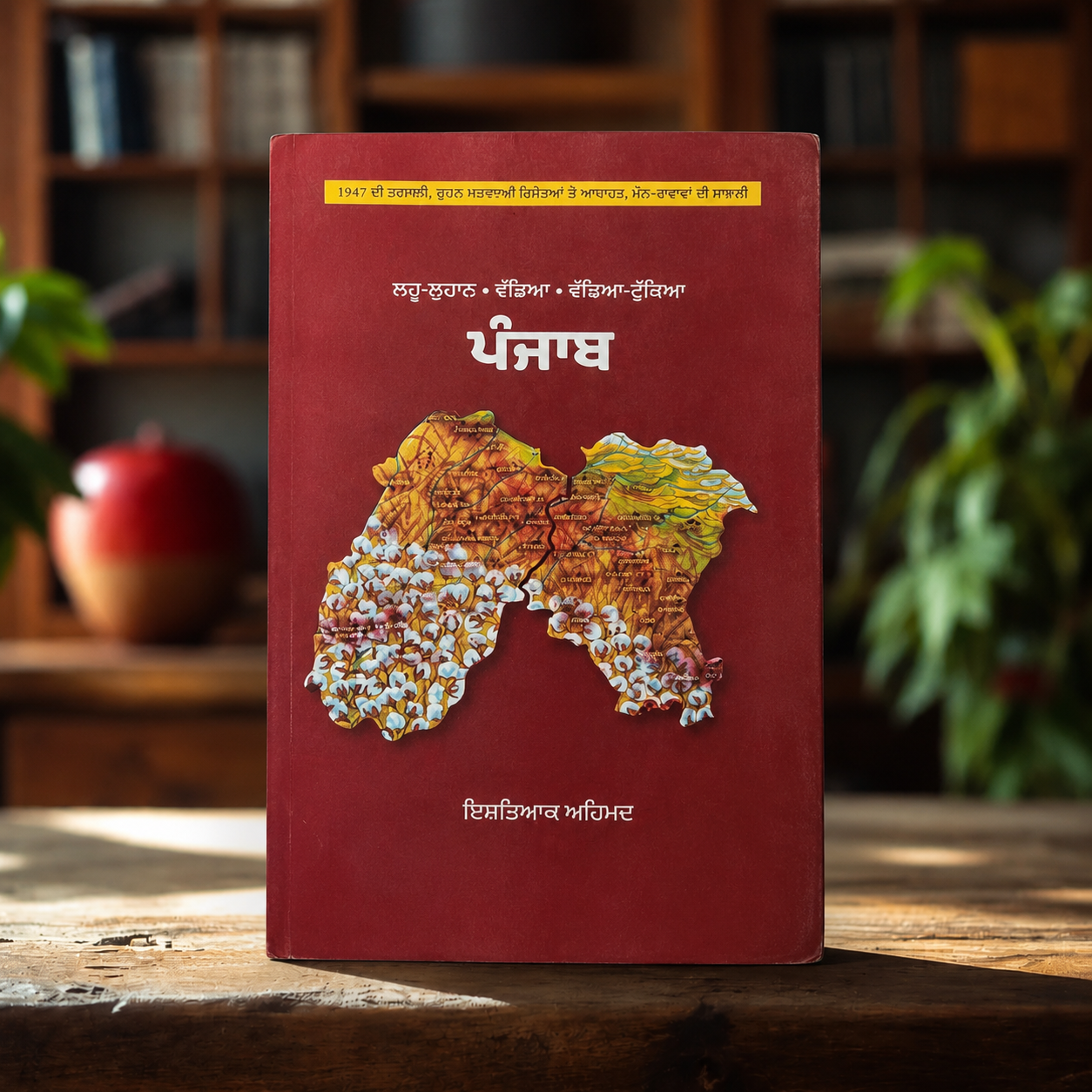
Lahu-Luhan, Vandia, Vaddia-Tukkia Punjab (ਲਹੂ ਲੁਹਾਨ, ਵੰਡਿਆ, ਵੱਢਿਆ-ਟੁੱਕਿਆ ਪੰਜਾਬ) - Dr. Ishtiaq Ahmed
Lahu-Luhan, Vandia, Vaddia-Tukkia Punjab (ਲਹੂ ਲੁਹਾਨ, ਵੰਡਿਆ, ਵੱਢਿਆ-ਟੁੱਕਿਆ ਪੰਜਾਬ) - Dr. Ishtiaq Ahmed
Couldn't load pickup availability
Share
"ਲਹੂ ਲੁਹਾਨ, ਵੰਡਿਆ, ਵੱਢਿਆ-ਟੁੱਕਿਆ ਪੰਜਾਬ" ਡਾ. ਇਸ਼ਤਿਆਕ ਅਹਿਮਦ ਦੀ ਇੱਕ ਮਹੱਤਵਪੂਰਨ ਇਤਿਹਾਸਕ ਖੋਜ-ਅਧਾਰਿਤ ਪੰਜਾਬੀ ਕਿਤਾਬ ਹੈ ਜੋ 1947 ਦੀ ਭਾਰਤ-ਪਾਕਿਸਤਾਨ ਵੰਡ ਦੌਰਾਨ ਪੰਜਾਬ ਵਿੱਚ ਹੋਈ ਹਿੰਸਾ, ਵੱਡੇ ਪੱਧਰ ਦੇ ਉਜਾੜੇ, ਕਤਲੇਆਮ ਅਤੇ ਮਨੁੱਖੀ ਤ੍ਰਾਸਦੀ ਦਾ ਗਹਿਰਾ ਅਧਿਐਨ ਪੇਸ਼ ਕਰਦੀ ਹੈ। ਸਰਕਾਰੀ ਦਸਤਾਵੇਜ਼ਾਂ, ਇਤਿਹਾਸਕ ਰਿਕਾਰਡਾਂ ਅਤੇ ਚਸ਼ਮਦੀਦ ਗਵਾਹਾਂ ਦੇ ਬਿਆਨਾਂ ਦੇ ਆਧਾਰ 'ਤੇ ਲਿਖੀ ਗਈ ਇਹ ਕਿਤਾਬ ਪੰਜਾਬ ਦੀ ਵੰਡ ਦੇ ਕਾਰਨਾਂ, ਨਤੀਜਿਆਂ ਅਤੇ ਮਨੁੱਖੀ ਪੱਖ ਨੂੰ ਸਮਝਣ ਲਈ ਇੱਕ ਮਹੱਤਵਪੂਰਨ ਸਰੋਤ ਹੈ।
"Lahu-Luhan, Vandia, Vaddia-Tukkia Punjab" by Dr. Ishtiaq Ahmed is a deeply researched Punjabi history book that examines the 1947 Partition of Punjab through archival records, historical research, and first-hand survivor testimonies. It explores the causes, violence, mass migration, and human suffering associated with Partition while providing readers with a balanced historical perspective on one of the most tragic events in South Asian history.
Book Title: Lahu-Luhan, Vandia, Vaddia-Tukkia Punjab (ਲਹੂ ਲੁਹਾਨ, ਵੰਡਿਆ, ਵੱਢਿਆ-ਟੁੱਕਿਆ ਪੰਜਾਬ)
Author: Dr. Ishtiaq Ahmed
Language: Punjabi (Gurmukhi)
Genre: History / Political History / Research
Category: Punjab History, Partition History, South Asian History
Available at: Kalam Kitaab
Lahu-Luhan, Vandia, Vaddia-Tukkia Punjab – Detailed Guide
Lahu-Luhan, Vandia, Vaddia-Tukkia Punjab (ਲਹੂ ਲੁਹਾਨ, ਵੰਡਿਆ, ਵੱਢਿਆ-ਟੁੱਕਿਆ ਪੰਜਾਬ) is one of the most comprehensive books available in Punjabi on the Partition of Punjab in 1947. Written by Dr. Ishtiaq Ahmed, a renowned political scientist and historian, the book is based on years of academic research, archival documents, government records, newspaper reports, and interviews with survivors who witnessed one of the darkest chapters in the history of the Indian subcontinent.
The Partition of British India in August 1947 was not merely the drawing of an international border. For Punjab, it meant the destruction of centuries-old communities, the loss of homes, the separation of families, and the deaths of hundreds of thousands of innocent people. Millions were forced to migrate across the newly created borders of India and Pakistan, carrying with them memories of violence, fear, and displacement that would remain for generations. This book examines those events with exceptional depth, historical accuracy, and compassion.
Rather than presenting the Partition as a simple political event, Dr. Ishtiaq Ahmed explores the complex political decisions, communal tensions, colonial policies, and administrative failures that contributed to the tragedy. The result is a balanced, research-driven account that helps readers understand not only what happened but also why it happened and how its consequences continue to shape Punjab and South Asia today.
Understanding the Subject Matter
At its heart, Lahu-Luhan, Vandia, Vaddia-Tukkia Punjab is a book about people. While it discusses political leaders, government decisions, and constitutional developments, its greatest strength lies in portraying the experiences of ordinary men and women whose lives were permanently transformed by Partition.
The book investigates the gradual rise of communal politics during the final years of British rule, the negotiations that eventually led to Partition, and the hurried manner in which the Radcliffe Line divided Punjab. It explains how administrative confusion, inadequate security arrangements, and political uncertainty created conditions that allowed widespread violence to erupt.
Readers are introduced to the enormous scale of displacement that followed. Villages that had existed peacefully for generations suddenly became sites of conflict. Families abandoned their ancestral homes with little more than the clothes they were wearing. Refugee caravans stretched for miles, and trains carrying hopeful migrants often became scenes of unimaginable horror.
By combining political history with personal testimonies, the book transforms historical statistics into human stories, making readers appreciate the immense emotional and psychological cost of Partition.
The Historical Background of Punjab's Partition
Punjab occupied a unique position in British India. It was home to Sikhs, Hindus, and Muslims who had lived together for centuries while sharing language, culture, agriculture, music, and traditions. Although religious identities existed, daily life often reflected cooperation and mutual dependence.
The political developments leading to independence gradually altered this social fabric. As constitutional negotiations intensified and competing political visions emerged, communal identities became increasingly politicized. The eventual decision to divide Punjab created one of history's largest forced migrations.
Dr. Ishtiaq Ahmed carefully reconstructs these developments using official correspondence, administrative reports, and historical evidence. Instead of reducing history to heroes and villains, he presents the complexity of political decision-making, demonstrating how multiple factors contributed to the catastrophe.
This balanced approach allows readers to understand that Partition cannot be explained through simplistic narratives. It was the outcome of political negotiations, colonial strategies, administrative failures, and rapidly escalating communal tensions.
A Human Story Beyond Political History
One of the defining qualities of this book is its focus on the human dimension of history.
The author presents numerous accounts of families separated forever, children orphaned during migration, women who endured unimaginable hardships, and communities that disappeared almost overnight. These narratives remind readers that historical events are ultimately experienced by ordinary people rather than political institutions.
The emotional impact of these testimonies makes the book far more than a conventional history text. Readers encounter stories of courage, sacrifice, compassion, survival, and resilience alongside accounts of brutality and loss.
Despite documenting immense suffering, the book also highlights examples of humanity. Individuals from different religious backgrounds risked their own lives to protect neighbours, friends, and strangers during times of chaos. These stories provide an important reminder that compassion persisted even during one of history's darkest periods.
About the Author
Dr. Ishtiaq Ahmed is internationally recognized for his scholarship on South Asian politics, nationalism, minority rights, democracy, and the Partition of India. Throughout his academic career, he has taught political science and published extensively on issues relating to the Indian subcontinent.
His reputation as a researcher is built upon careful documentation, critical analysis, and reliance on primary historical sources. Rather than promoting ideological positions, he emphasizes evidence-based historical inquiry.
This scholarly approach makes Lahu-Luhan, Vandia, Vaddia-Tukkia Punjab one of the most respected works on the Partition of Punjab.
Writing Style
Although the book is rooted in academic research, its writing remains accessible to general readers.
Dr. Ishtiaq Ahmed explains complex political developments in a clear and systematic manner, making the book suitable not only for historians and researchers but also for students and ordinary readers interested in Punjab's history.
The narrative alternates between historical analysis and personal stories, creating a balance between factual accuracy and emotional engagement. Statistical information, archival records, and official reports are presented alongside survivor testimonies, allowing readers to understand both the scale of the tragedy and its personal consequences.
The writing is objective, thoughtful, and deeply respectful of historical evidence. Instead of sensationalizing violence, the author focuses on explaining its causes and consequences.
Research and Historical Sources
One of the strongest aspects of this book is the depth of its research.
The author draws upon:
Government Records
Official administrative documents help reconstruct the political and bureaucratic decisions surrounding Partition.
British Archives
Colonial correspondence and reports provide insight into British policies during the transfer of power.
Survivor Interviews
Oral histories collected from survivors preserve memories that official records alone cannot capture.
Contemporary Newspapers
News reports from the period help establish the chronology of events and public reactions.
Historical Scholarship
The book engages with previous academic research while presenting fresh interpretations supported by documentary evidence.
This combination of sources gives the work exceptional credibility and makes it valuable for both academic study and general reading.
Major Themes Explored
Partition and Political Decision-Making
The book examines how political negotiations ultimately resulted in the division of Punjab and how hurried implementation contributed to widespread instability.
Communal Violence
Rather than merely documenting violence, the author investigates the social and political circumstances that allowed communal conflict to escalate.
Forced Migration
Millions of people crossed newly created borders during Partition. The book carefully explains the scale, challenges, and human consequences of this unprecedented migration.
Loss of Homeland
Partition permanently altered the emotional relationship between people and their ancestral homes. The author explores how memories of villages, cities, and communities continue to shape identities decades later.
Shared Human Suffering
Perhaps the book's most significant contribution is its emphasis that tragedy affected people across religious communities. Hindus, Muslims, and Sikhs all experienced profound loss, displacement, and grief.
Why This Book Stands Out
Many books discuss the Partition of India, but relatively few examine Punjab with the same combination of academic depth and human sensitivity.
What distinguishes this work is its commitment to evidence. Rather than relying upon myths, political rhetoric, or selective memory, Dr. Ishtiaq Ahmed presents conclusions supported by extensive documentation.
The book also gives equal importance to historical analysis and personal experience. Readers learn not only what happened but also how those events transformed individual lives.
Its balanced perspective encourages thoughtful reflection rather than emotional polarization, making it an important contribution to historical understanding.
Why You Should Read This Book
This book is essential reading for anyone seeking to understand the modern history of Punjab.
By reading Lahu-Luhan, Vandia, Vaddia-Tukkia Punjab, readers gain:
- A deeper understanding of the Partition of Punjab.
- Insight into the political circumstances that shaped independence.
- Knowledge based on archival research rather than popular myths.
- Appreciation of the human cost of communal conflict.
- Greater awareness of Punjab's shared historical heritage.
- An understanding of how historical events continue to influence present-day society.
Whether you are studying history academically or exploring your family's historical roots, this book provides valuable knowledge and perspective.
Who Should Read This Book?
This book is particularly recommended for:
Students
Students of history, political science, sociology, and South Asian studies will find it an invaluable reference.
Researchers
Its extensive documentation and scholarly methodology make it an important research resource.
Readers Interested in Punjab
Anyone wishing to understand Punjab's modern history will benefit greatly from this book.
Members of the Punjabi Diaspora
Many Punjabi families around the world have ancestral connections to Partition. This book offers historical context that helps preserve collective memory.
Readers of Historical Non-fiction
Those who appreciate carefully researched historical writing will find this work informative, balanced, and intellectually rewarding.
The Lasting Relevance of the Book
Although it examines events that occurred in 1947, Lahu-Luhan, Vandia, Vaddia-Tukkia Punjab remains remarkably relevant today. Questions relating to identity, migration, communal harmony, nationalism, and historical memory continue to influence societies across South Asia.
By studying the mistakes, fears, and political decisions of the past, readers gain valuable insights into the importance of tolerance, dialogue, democratic institutions, and peaceful coexistence.
The book serves not only as a historical record but also as a reminder of the immense human cost that accompanies hatred, division, and violence.
Conclusion
Lahu-Luhan, Vandia, Vaddia-Tukkia Punjab is far more than a history book. It is a carefully researched record of one of the greatest human tragedies in the history of the Indian subcontinent. Through meticulous scholarship, documentary evidence, and deeply moving personal testimonies, Dr. Ishtiaq Ahmed presents a comprehensive account of the Partition of Punjab that is both intellectually rigorous and emotionally compelling.
Its balanced analysis, accessible writing style, and commitment to historical accuracy make it one of the finest books available in Punjabi on the subject of Partition. Whether your interest lies in Punjab's history, South Asian politics, migration studies, Sikh history, or the lived experiences of ordinary people during extraordinary times, this book offers valuable knowledge and lasting insight.
For readers seeking to understand not only the political events of 1947 but also the lives forever changed by those events, Lahu-Luhan, Vandia, Vaddia-Tukkia Punjab remains an essential and thought-provoking work that deserves a place in every serious collection of Punjabi historical literature.