

Kalam Kitaab
Lahu Di Lo (ਲਹੂ ਦੀ ਲੋ) – Jaswant Singh Kanwal
Lahu Di Lo (ਲਹੂ ਦੀ ਲੋ) – Jaswant Singh Kanwal
Couldn't load pickup availability
Share
"Lahu Di Lo" is Jaswant Singh Kanwal's powerful Punjabi novel that depicts the intense struggles of rural Punjab during the 1940s and 1950s, focusing on landlessness, exploitation, and the fiery spirit of resistance among the oppressed. With vivid realism and social critique, it captures the blood and sweat ("lahu di lo") of the toiling masses.
"ਲਹੂ ਦੀ ਲੋ" ਜਸਵੰਤ ਸਿੰਘ ਕੰਵਲ ਦਾ ਸਸ਼ਕਤ ਪੰਜਾਬੀ ਨਾਵਲ ਹੈ ਜੋ 1940-50 ਦੇ ਦਹਾਕਿਆਂ ਵਿੱਚ ਪੇਂਡੂ ਪੰਜਾਬ ਦੇ ਸੰਘਰਸ਼ਾਂ ਨੂੰ ਬਿਆਨ ਕਰਦਾ ਹੈ, ਜ਼ਮੀਨਹੀਣਤਾ, ਸ਼ੋਸ਼ਣ ਅਤੇ ਦੱਬੇ ਹੋਏ ਲੋਕਾਂ ਦੀ ਅੱਗ ਵਰਗੀ ਰੂਹ ਨੂੰ ਉਜਾਗਰ ਕਰਦਾ ਹੈ। ਯਥਾਰਥਵਾਦੀ ਅਤੇ ਸਮਾਜਿਕ ਆਲੋਚਨਾ ਨਾਲ ਇਹ ਮਜ਼ਦੂਰਾਂ ਦੇ ਲਹੂ ਅਤੇ ਪਸੀਨੇ ("ਲਹੂ ਦੀ ਲੋ") ਨੂੰ ਫੜਦਾ ਹੈ।
Book Title: ਲਹੂ ਦੀ ਲੋ (Lahu Di Lo)
Author: Jaswant Singh Kanwal
Language: Punjabi (Gurmukhi)
Genre: Novel (Social Realism)
Available at: Kalam Kitaab
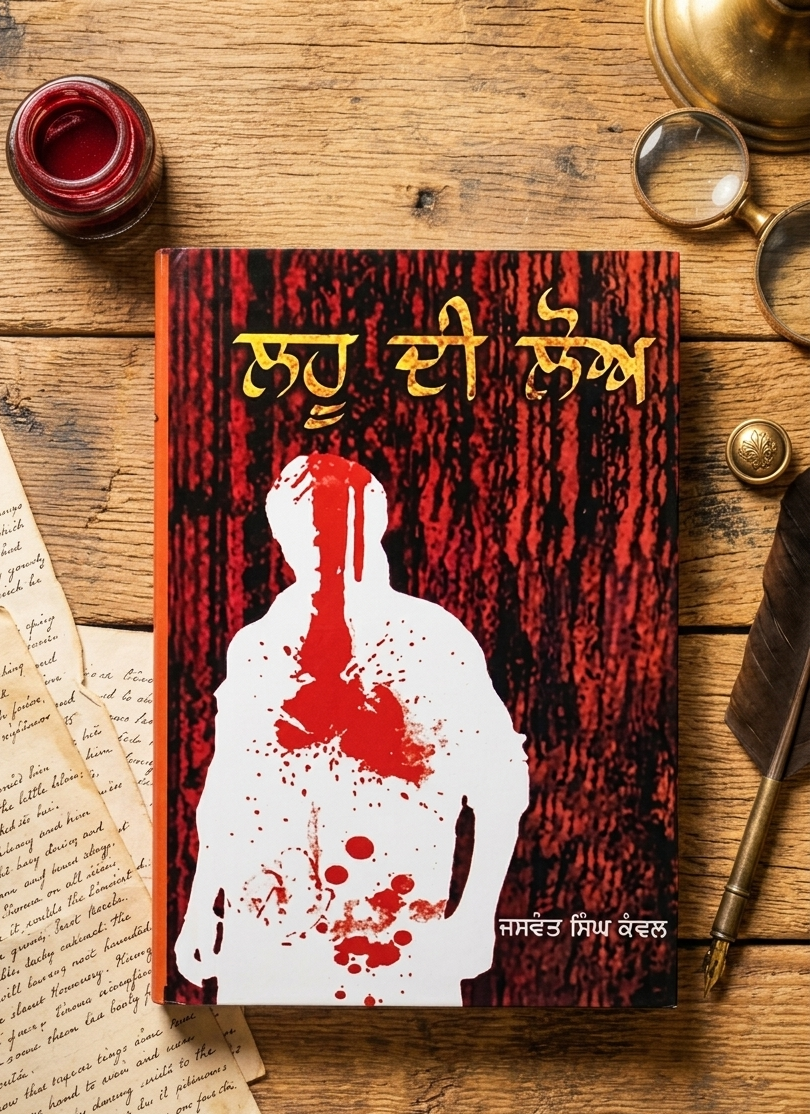
Lahu Di Lo Book: Jaswant Singh Kanwal's Epic of Rural Struggle
"Lahu Di Lo book," published in 1952 and one of Jaswant Singh Kanwal's most celebrated novels, is a landmark in Punjabi progressive literature. Jaswant Singh Kanwal (1919–2009), a leading voice in Punjabi social realism and revolutionary writing, crafts a sweeping narrative that portrays the lives of landless laborers, small farmers, and the oppressed in post-independence Punjab. The title "Lahu Di Lo" – "the glow of blood" – symbolizes the fiery passion and sacrifice of the toiling masses whose blood and sweat light up the struggle for dignity and justice.
The "Lahu Di Lo book" is known for its raw realism, deep empathy for the marginalized, and sharp critique of feudalism, capitalism, and caste oppression. It earned Kanwal the title of Punjab's "Gorky" and remains a classic of Punjabi social fiction.
Plot and Central Narrative in the Book
The "Lahu Di Lo book" follows the lives of landless laborers and small farmers in a Punjab village, focusing on their daily struggles against exploitation by big landlords and moneylenders. The protagonist, a hardworking mazdoor (laborer), represents the collective pain of the oppressed class, while other characters – women, youth, and even some sympathetic landlords – add depth to the social tapestry.
Key events include debt bondage, seasonal migrations, clashes with zamindars, and growing awareness of rights. Kanwal builds tension through realistic depictions of harvest seasons, village disputes, and personal tragedies, culminating in moments of resistance and awakening.
The narrative in the "Lahu Di Lo book" is multi-layered, showing how economic hardship intertwines with caste discrimination and gender inequality.
Key Themes in Lahu Di Lo Book
Exploitation and Feudalism
Central to the "Lahu Di Lo book" is the critique of feudal land relations, usury, and bonded labor that trap generations in poverty.
Caste and Class Oppression
Kanwal exposes how caste hierarchies reinforce economic inequality, particularly affecting mazhabi Sikhs and dalits.
Resistance and Class Consciousness
The novel traces the awakening of the oppressed, showing sparks of rebellion and collective strength.
Human Dignity Amid Suffering
Despite hardship, characters maintain moral integrity and quiet resilience.
Gender and Family Struggles
Women's roles and family burdens under poverty are portrayed with empathy.
Jaswant Singh Kanwal's Writing Style in the Book
Kanwal's prose in the "Lahu Di Lo book" is direct, powerful Punjabi – rich in rural idioms, authentic dialogue, and vivid descriptions of village life. His realism draws from personal observation, avoiding exaggeration while evoking deep emotion.
Character-driven narrative builds empathy, with social critique emerging naturally from lived experiences.
Cultural and Literary Significance of the Book
"Lahu Di Lo book" is a cornerstone of progressive Punjabi literature, alongside works by Nanak Singh and Gurdial Singh. It influenced the Punjabi novel's focus on social issues and inspired later writers.
Frequently reprinted and studied in literature courses, it remains relevant amid ongoing agrarian struggles and caste debates.
Jaswant Singh Kanwal's Broader Legacy
Kanwal, a freedom fighter and progressive thinker, wrote over 20 novels and stories on social justice, Partition, and rural life. The "Lahu Di Lo book" is his most acclaimed work, symbolizing commitment to the oppressed.
Why Lahu Di Lo Resonates Today
In times of farmer crises and social inequality, the "Lahu Di Lo book" by Jaswant Singh Kanwal offers timeless insight into rural Punjab's struggles. It humanizes the marginalized, questioning justice in modern India.
Powerful, realistic, and profoundly moving, "Lahu Di Lo" is essential Punjabi literature – a fiery testament to the laborer's resilience and the enduring fight for dignity.