

Kalam Kitaab
Khoon De Sohile (ਖੂਨ ਦੇ ਸੋਹਿਲੇ)– Nanak Singh
Khoon De Sohile (ਖੂਨ ਦੇ ਸੋਹਿਲੇ)– Nanak Singh
Couldn't load pickup availability
Share
"Khoon De Sohile" is Nanak Singh's powerful novel depicting the horrors of the Jallianwala Bagh massacre in 1919. Through fictional characters and real events, it captures the tragedy, patriotism, and human suffering during India's freedom struggle, making it a classic of Punjabi historical fiction.
"ਖੂਨ ਦੇ ਸੋਹਿਲੇ" ਨਾਨਕ ਸਿੰਘ ਦਾ ਸਸ਼ਕਤ ਨਾਵਲ ਹੈ ਜੋ 1919 ਦੇ ਜਲ੍ਹਿਆਂਵਾਲਾ ਬਾਗ ਕਤਲੇਆਮ ਦੀਆਂ ਭਿਆਨਕਤਾਵਾਂ ਨੂੰ ਬਿਆਨ ਕਰਦਾ ਹੈ। ਕਾਲਪਨਿਕ ਪਾਤਰਾਂ ਅਤੇ ਅਸਲ ਘਟਨਾਵਾਂ ਰਾਹੀਂ ਇਹ ਦੇਸ਼ਭਗਤੀ, ਮਨੁੱਖੀ ਦੁੱਖ ਅਤੇ ਆਜ਼ਾਦੀ ਸੰਘਰਸ਼ ਨੂੰ ਫੜਦਾ ਹੈ, ਪੰਜਾਬੀ ਇਤਿਹਾਸਕ ਗਲਪ ਦਾ ਕਲਾਸਿਕ ਬਣ ਕੇ।
Book Title: ਖੂਨ ਦੇ ਸੋਹਿਲੇ (Khoon De Sohile)
Author: Nanak Singh
Language: Punjabi (Gurmukhi)
Genre: Novel (Historical Fiction)
Available at: Kalam Kitaab
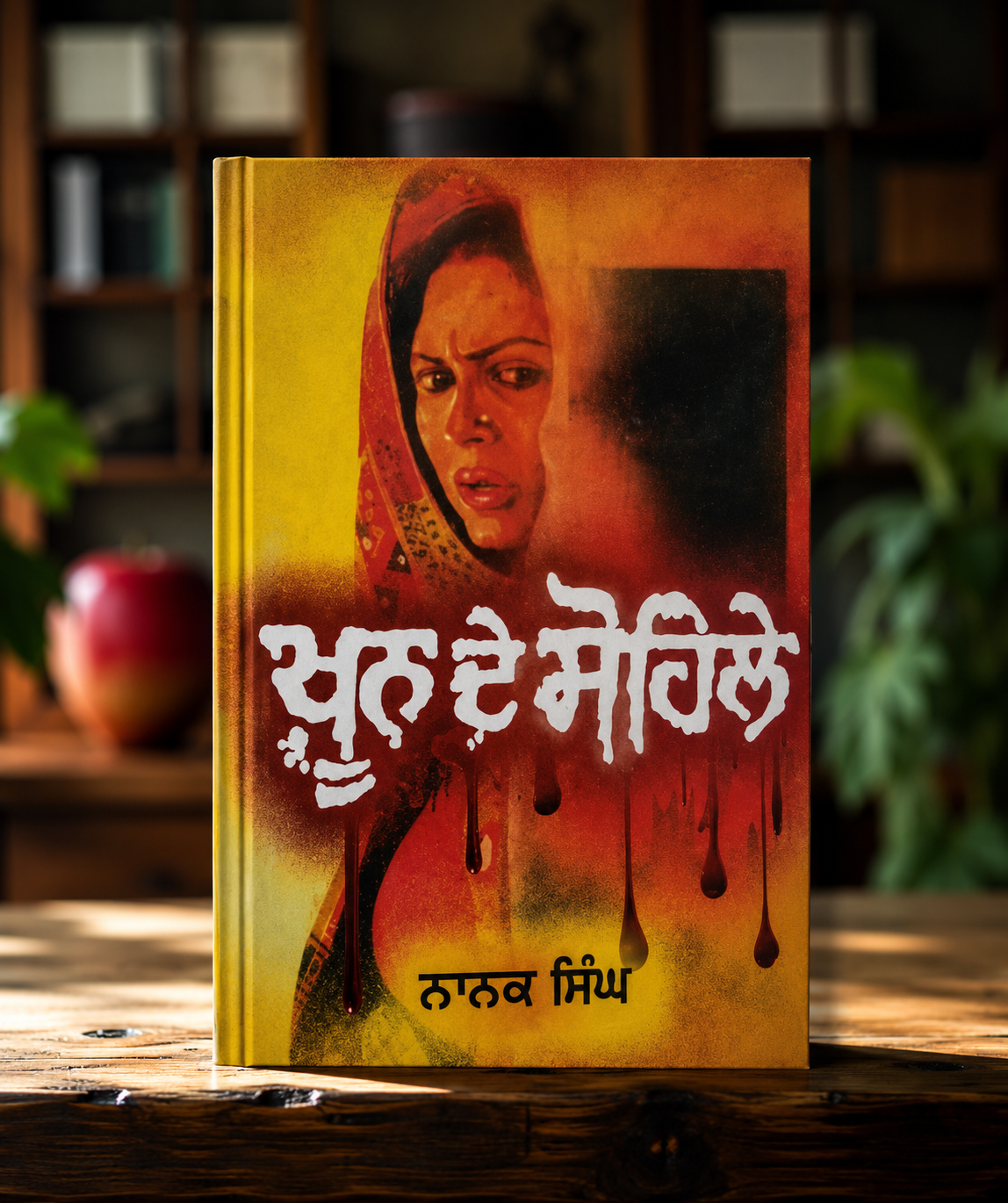
Khoon De Sohile Book: Nanak Singh's Harrowing Account of Jallianwala Bagh
"Khoon De Sohile book," first published in 1931 and one of Nanak Singh's most significant works, is a landmark Punjabi novel that vividly recreates the Jallianwala Bagh massacre of April 13, 1919. Nanak Singh (1897–1971), known as the "Father of the Punjabi Novel" and a survivor of the massacre himself, wrote this book as a powerful indictment of British colonial brutality. The "Khoon De Sohile book" blends historical facts with fictional characters to capture the tragedy's human impact, earning bans from British authorities for its nationalist fervor.
Nanak Singh, who was injured in the firing and lay unconscious among the dead, channeled his trauma into this novel – originally written in Gurumukhi script and later adapted. The "Khoon De Sohile book" remains a cornerstone of Punjabi literature, translated into multiple languages and inspiring films, plays, and ongoing remembrance of the massacre.
Historical Context and Nanak Singh's Personal Experience
The "Khoon De Sohile book" is rooted in real events: General Dyer's troops firing on an unarmed crowd gathered for Baisakhi in Amritsar's Jallianwala Bagh, killing hundreds (official figures 379, unofficial estimates over 1,000) and injuring thousands. Nanak Singh, then 22, attended the meeting and survived by chance.
Banned by the British for inciting rebellion, the book was written secretly and published underground. Singh's eyewitness perspective lends authenticity, making the "Khoon De Sohile book" both historical document and literary masterpiece.
The title "Khoon De Sohile" – "beautiful with blood" – is ironic, highlighting the horror of blood-soaked earth turned "beautiful" by colonial violence.
Plot and Narrative in the Book
The "Khoon De Sohile book" follows fictional characters intertwined with real events – a young patriot, families celebrating Baisakhi, and ordinary citizens trapped in the bagh. Nanak Singh recreates the peaceful gathering, sudden panic, merciless firing, and aftermath of blood-soaked earth.
Through multiple perspectives, the novel shows personal losses – separated families, orphaned children, widowed wives – and rising nationalist spirit. The narrative builds tension leading to the massacre, then explores grief, anger, and resolve for freedom.
Singh's prose is emotional yet restrained, letting tragedy speak through simple, powerful descriptions – cries of the dying, silence after gunfire, survivors' haunted eyes.
Key Themes in Khoon De Sohile Book
Colonial Brutality and Injustice
Central to the "Khoon De Sohile book" is condemnation of British imperialism – Dyer's cold orders, troops' obedience, and official cover-up.
Patriotism and Sacrifice
The novel celebrates ordinary people's courage and growing awareness of swaraj, inspiring resistance.
Human Suffering and Loss
Graphic yet sensitive depictions of massacre's toll – physical wounds, psychological trauma, shattered lives.
Unity Amid Diversity
Characters from various backgrounds unite, highlighting Punjab's composite culture against division.
Remembrance and Warning
The "Khoon De Sohile book" serves as memorial, urging never to forget colonial atrocities and value freedom.
Role of Literature in Resistance
Singh shows poetry and storytelling as weapons against oppression.
Nanak Singh's Writing Style
Nanak Singh's language in the "Khoon De Sohile book" is accessible Punjabi, blending dialogue, description, and emotional intensity. His realism draws from experience, avoiding exaggeration while evoking horror through detail – cries, gunfire echoes, bloodied ground.
The novel's poetic passages and character depth make tragedy profoundly human, with rhythmic prose enhancing impact.
Cultural and Literary Significance of the Book
Banned yet widely circulated underground, the "Khoon De Sohile book" fueled anti-colonial sentiment. It established Nanak Singh as Punjab's leading novelist, with over 50 works on social issues.
Adapted into films (notably 1978 "Khoon De Sohile") and plays, it keeps Jallianwala Bagh memory alive. Studied in literature and history courses, it's essential for understanding Punjab's freedom struggle role.
Translated into Hindi, English, and others, its message reaches beyond Punjab.
Nanak Singh's Legacy
Survivor of Jallianwala Bagh, Nanak Singh wrote prolifically on social reform, Partition, and humanism. The "Khoon De Sohile book" is his most politically charged work, symbolizing literature's role in resistance.
His novels like "Pavittar Paapi" and "Chitta Lahu" continue his tradition of social critique.
Why Khoon De Sohile Resonates Today
Amid debates on colonial legacies and historical remembrance, the "Khoon De Sohile book" by Nanak Singh offers timeless warning against tyranny and celebration of resilience. It humanizes statistics, reminding us of freedom's cost and the danger of forgetting.
In times of rising nationalism and calls for justice, the book urges reflection on past atrocities to prevent future ones.
Powerful, moving, and historically vital, "Khoon De Sohile" is essential reading – a testament to literature's power in preserving truth, honoring sacrifice, and inspiring justice across generations.