

Kalam Kitaab
Kaurnama ( ਕੌਰਨਾਮਾ ) Part 1 Book - Baljinder Singh Kotbhara
Kaurnama ( ਕੌਰਨਾਮਾ ) Part 1 Book - Baljinder Singh Kotbhara
Couldn't load pickup availability
Share
"Kaurnama Part 1" ਬਲਜਿੰਦਰ ਸਿੰਘ ਕੋਟਭਾਰਾ ਦੀ ਇੱਕ ਖੋਜ-ਆਧਾਰਿਤ ਇਤਿਹਾਸਕ ਕਿਤਾਬ ਹੈ ਜੋ 1980 ਅਤੇ 1990 ਦੇ ਦਹਾਕਿਆਂ ਦੌਰਾਨ ਸਿੱਖ ਸੰਘਰਸ਼ ਵਿੱਚ ਸ਼ਹੀਦ ਹੋਈਆਂ ਬੀਬੀਆਂ ਦੇ ਜੀਵਨ, ਹੌਸਲੇ, ਕੁਰਬਾਨੀਆਂ ਅਤੇ ਯੋਗਦਾਨ ਨੂੰ ਦਰਜ ਕਰਦੀ ਹੈ। Kaurnama Part 1 ਇਤਿਹਾਸ ਦੇ ਘੱਟ ਚਰਚਿਤ ਪੱਖਾਂ ਨੂੰ ਸਾਹਮਣੇ ਲਿਆਉਂਦੀ ਹੈ ਅਤੇ ਉਹਨਾਂ ਸਿੱਖ ਇਸਤਰੀਆਂ ਦੀਆਂ ਜੀਵਨ ਗਾਥਾਵਾਂ ਨੂੰ ਪੇਸ਼ ਕਰਦੀ ਹੈ ਜਿਨ੍ਹਾਂ ਨੇ ਆਪਣੇ ਵਿਸ਼ਵਾਸ ਅਤੇ ਸਿਧਾਂਤਾਂ ਲਈ ਅਸਾਧਾਰਣ ਹਿੰਮਤ ਦਾ ਪ੍ਰਗਟਾਵਾ ਕੀਤਾ। ਇਹ ਕਿਤਾਬ ਸਿੱਖ ਇਤਿਹਾਸ, ਪੰਜਾਬ ਦੇ ਆਧੁਨਿਕ ਇਤਿਹਾਸ ਅਤੇ ਇਤਿਹਾਸਕ ਜੀਵਨੀਆਂ ਵਿੱਚ ਦਿਲਚਸਪੀ ਰੱਖਣ ਵਾਲੇ ਪਾਠਕਾਂ ਲਈ ਮਹੱਤਵਪੂਰਨ ਪੜ੍ਹਾਈ ਹੈ।
"Kaurnama Part 1" by Baljinder Singh Kotbhara is a research-based historical book that documents the lives, courage, and sacrifices of Sikh women who lost their lives during the Sikh armed struggle of the 1980s and 1990s. Kaurnama Part 1 highlights stories that have often received limited attention in mainstream historical narratives, presenting documented accounts of resilience, faith, and sacrifice. Through historical discussion and biographical narratives, Kaurnama Part 1 offers readers valuable insights into an important chapter of Sikh and Punjab history while preserving the stories of these remarkable women for future generations.
Book Title: Kaurnama Part 1
Author: Baljinder Singh Kotbhara
Language: Punjabi (Gurmukhi)
Genre: Sikh History / Punjab History / Historical Biography / Historical Non-Fiction
Available at: Kalam Kitaab
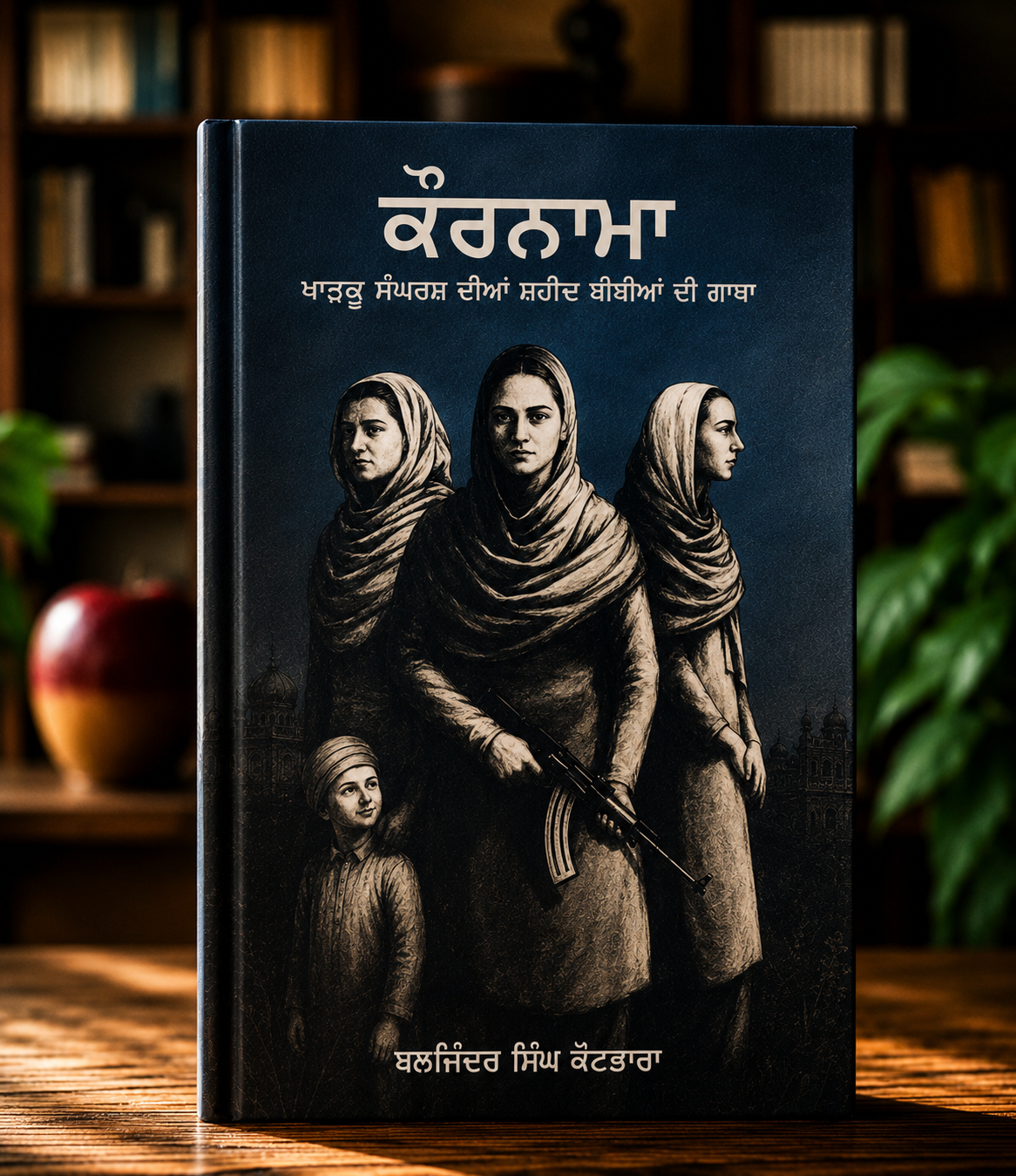
Kaurnama Part 1 – Baljinder Singh Kotbhara
A Punjabi Historical and Documentary Work Presenting Women's Experiences During a Significant Period in Punjab's History
Kaurnama Part 1 by Baljinder Singh Kotbhara is a Punjabi historical and documentary work that presents the author's account of the experiences, memories, and personal narratives of Sikh women during an important period in Punjab's modern history. Blending historical discussion with documentary-style storytelling, Kaurnama Part 1 introduces readers to individual accounts while placing them within the broader historical, social, and cultural setting of the time.
Rather than functioning as a conventional history book, Kaurnama Part 1 focuses on personal experiences and oral narratives as presented by the author. Throughout Kaurnama Part 1, readers encounter stories that explore family life, resilience, faith, social challenges, personal loss, and the everyday realities faced by women during the historical period covered in the book. These accounts are presented as part of the author's documentary approach, offering readers insight into experiences that are often less visible in traditional historical writing.
One of the defining qualities of Kaurnama Part 1 is its emphasis on preserving personal memories alongside historical discussion. Instead of concentrating only on major political events, Kaurnama Part 1 highlights the voices of individuals and families, encouraging readers to understand how wider historical developments affected ordinary lives. This perspective makes Kaurnama Part 1 an engaging work for readers interested in documentary literature, oral history, Punjabi non-fiction, and social history.
Understanding the Purpose of Kaurnama Part 1
The primary purpose of Kaurnama Part 1 is to document personal experiences through the author's perspective while placing them within the historical circumstances of Punjab during the period discussed in the book. Throughout Kaurnama Part 1, readers are introduced to narratives that explore family relationships, community life, social change, and the role of women during challenging historical circumstances.
By combining documentary storytelling with historical context, Kaurnama Part 1 encourages readers to consider history not only through official records but also through the lived experiences of individuals. This approach allows Kaurnama Part 1 to contribute to Punjabi documentary literature by presenting voices and memories that form an important part of understanding the broader historical period.
Readers interested in oral history will appreciate how Kaurnama Part 1 preserves personal narratives alongside discussions of the historical environment. While every documentary work reflects the perspective of its author and sources, Kaurnama Part 1 encourages readers to explore additional historical research and diverse viewpoints for a broader understanding of the period.
Historical Context in Kaurnama Part 1
Historical context plays an important role throughout Kaurnama Part 1. The book introduces readers to the social environment, community life, and historical developments surrounding the personal narratives presented by the author. Instead of isolating individual stories from their surroundings, Kaurnama Part 1 connects these experiences with the wider historical background of Punjab.
This broader perspective helps readers understand how personal experiences often intersect with larger historical developments. Throughout Kaurnama Part 1, documentary accounts are presented alongside historical discussion, allowing readers to appreciate the relationship between individual memories and broader historical change.
Because history is often understood through multiple sources, Kaurnama Part 1 serves as one documentary perspective that can be read alongside historical research, academic publications, and other documentary works covering the same period.
Women's Narratives in Kaurnama Part 1
A central feature of Kaurnama Part 1 is its focus on women's experiences. Throughout Kaurnama Part 1, readers encounter personal accounts that highlight family life, emotional resilience, community relationships, cultural values, and the challenges faced by women during the historical period explored by the author.
By focusing on these personal narratives, Kaurnama Part 1 provides a perspective that complements broader historical discussions. Readers interested in women's history, oral history, and documentary literature may find Kaurnama Part 1 particularly valuable because of its emphasis on individual voices and lived experiences.
The documentary style of Kaurnama Part 1 allows readers to engage with personal stories while considering the historical setting in which they occurred. This combination of individual narrative and historical context distinguishes Kaurnama Part 1 from more traditional historical works.
Writing Style of Kaurnama Part 1
The writing style of Kaurnama Part 1 is approachable and documentary in nature. Historical discussion is combined with personal storytelling, creating a reading experience that is both informative and engaging. The accessible presentation makes Kaurnama Part 1 suitable for general readers while also offering value to students and researchers interested in Punjabi history and documentary writing.
Throughout Kaurnama Part 1, the narrative balances historical background with personal experiences, encouraging readers to reflect on the relationship between individual lives and wider historical developments. This thoughtful structure allows Kaurnama Part 1 to appeal to readers interested in social history, Punjabi literature, oral narratives, and documentary non-fiction.
Who Should Read Kaurnama Part 1?
Kaurnama Part 1 is recommended for readers interested in:
- Punjabi historical literature
- Documentary writing
- Women's narratives
- Oral history
- Punjab history
- Social history
- Punjabi non-fiction
- Historical research
- Community history
- Modern Punjab studies
Whether you are a student, researcher, educator, librarian, or reader interested in documentary literature, Kaurnama Part 1 offers an opportunity to explore personal narratives alongside historical discussion. Readers who enjoy books that combine history with lived experiences may find Kaurnama Part 1 to be a meaningful addition to their collection.
Final Thoughts on Kaurnama Part 1
Kaurnama Part 1 by Baljinder Singh Kotbhara is a documentary-style historical work that presents the author's collection of personal narratives within the broader context of Punjab's modern history. Through oral accounts, documentary storytelling, and historical discussion, Kaurnama Part 1 offers readers an opportunity to explore women's experiences and community life as presented by the author.
For readers interested in Punjabi documentary literature, social history, oral history, women's narratives, and historical non-fiction, Kaurnama Part 1 provides an informative and engaging reading experience. As with other works covering complex historical periods, readers are encouraged to consult multiple historical sources and perspectives to develop a broader understanding of the events and experiences discussed throughout Kaurnama Part 1.