


Kalam Kitaab
Jugg Badal Gaya Book (ਜੁੱਗ ਬਦਲ ਗਿਆ) – Sohan Singh Sheetal
Jugg Badal Gaya Book (ਜੁੱਗ ਬਦਲ ਗਿਆ) – Sohan Singh Sheetal
Couldn't load pickup availability
Share
"Jugg Badal Gaya" is Sohan Singh Sheetal's revolutionary Punjabi poetry collection that critiques social injustice, feudalism, and exploitation while envisioning a new era of equality and awakening. With fiery verses and progressive vision, it stands as a powerful voice of change in Punjabi literature.
"ਜੁੱਗ ਬਦਲ ਗਿਆ" ਸੋਹਣ ਸਿੰਘ ਸੀਤਲ ਦਾ ਕ੍ਰਾਂਤੀਕਾਰੀ ਪੰਜਾਬੀ ਕਵਿਤਾ ਸੰਗ੍ਰਹਿ ਹੈ ਜੋ ਸਮਾਜਿਕ ਅਨਿਆਂ, ਜ਼ਮੀਂਦਾਰੀ ਅਤੇ ਸ਼ੋਸ਼ਣ ਦੀ ਆਲੋਚਨਾ ਕਰਦਾ ਹੈ ਅਤੇ ਬਰਾਬਰੀ ਅਤੇ ਜਾਗਰੂਕਤਾ ਵਾਲੇ ਨਵੇਂ ਜੁੱਗ ਦੀ ਕਲਪਨਾ ਕਰਦਾ ਹੈ। ਅੱਗ ਵਰਗੀਆਂ ਬੰਦਾਂ ਅਤੇ ਪ੍ਰਗਤੀਸ਼ੀਲ ਨਜ਼ਰੀਏ ਨਾਲ ਇਹ ਪੰਜਾਬੀ ਸਾਹਿਤ ਵਿੱਚ ਬਦਲਾਅ ਦੀ ਮਜ਼ਬੂਤ ਆਵਾਜ਼ ਹੈ।
Book Title: ਜੁੱਗ ਬਦਲ ਗਿਆ (Jugg Badal Gaya)
Author: Sohan Singh Sheetal
Language: Punjabi (Gurmukhi)
Genre: Poetry Collection (ਕ੍ਰਾਂਤੀਕਾਰੀ ਕਵਿਤਾ)
Available at: Kalam Kitaab

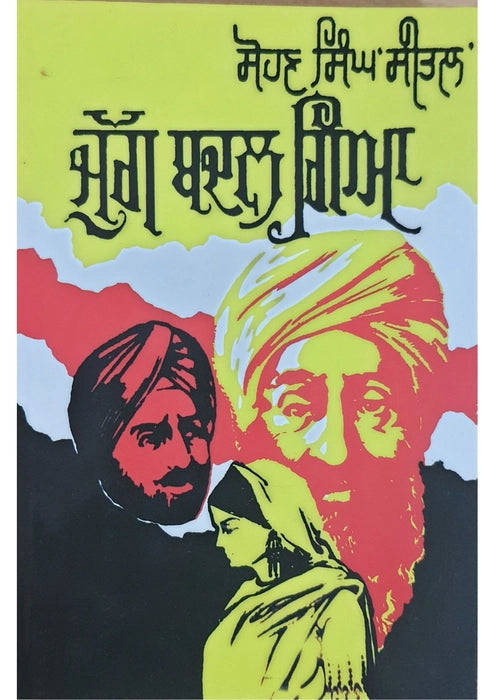
Jugg Badal Gaya Book: Sohan Singh Sheetal's Revolutionary Call for Change
"Jugg Badal Gaya book" by Sohan Singh Sheetal is a landmark collection of progressive Punjabi poetry that boldly critiques social inequalities and envisions a transformed world ("jugg badal gaya" – the era has changed). Sohan Singh Sheetal (1921–1992), a prominent revolutionary poet and activist associated with the leftist movement in Punjab, uses fiery, direct language to expose feudal exploitation, caste oppression, and capitalist greed while inspiring hope for equality and justice. The "Jugg Badal Gaya book" reflects Sheetal's commitment to the oppressed, blending sharp satire with visionary optimism in verses meant for recitation at rallies and gatherings.
As part of Sheetal's body of work addressing rural struggles and social reform, the "Jugg Badal Gaya book" stands alongside collections like "Khetan Te Karkhane" and remains influential in Punjabi progressive literature.
Themes and Revolutionary Spirit in the Book
The "Jugg Badal Gaya book" centers on the need for radical change – declaring the old era of injustice over and a new one of awakening begun. Poems attack:
- Feudal landlords and moneylenders exploiting laborers
- Caste hierarchies and religious hypocrisy
- Imperialism and capitalist greed
Sheetal glorifies the working class, farmers, and youth as agents of revolution, using imagery of storms, fire, and dawn to symbolize uprising. Verses blend anger with hope, urging unity for a just society.
Sheetal's Poetic Style in the Book
Sheetal's language in the "Jugg Badal Gaya book" is bold, rhythmic Punjabi – rich in rural idioms, slogans, and repetition for mass appeal. Poems are designed for oral performance, with refrain-like lines creating anthem quality.
His style fuses folk traditions with Marxist insight, making complex ideas accessible to common readers.
Cultural and Political Impact of the Book
"Jugg Badal Gaya book" became a rallying cry in Punjab's progressive and Naxalite movements of the 1960s–70s, recited at protests and worker gatherings. Sheetal's poetry influenced leftist cultural fronts, inspiring songs and theater.
In Punjabi literature, it represents revolutionary stream alongside Paash and Lal Singh Dil.
Sohan Singh Sheetal's Legacy
Sheetal, from a farming background and active in peasant movements, wrote poetry as weapon for change. The "Jugg Badal Gaya book" captures his peak voice, earning respect as Punjab's poet of the oppressed.
His works continue inspiring social activism.
Why Jugg Badal Gaya Resonates Today
In times of inequality and farmer struggles, the "Jugg Badal Gaya book" by Sohan Singh Sheetal offers timeless call for justice. It reminds us change is possible through collective will.
Fiery, visionary, and profoundly relevant, "Jugg Badal Gaya" is essential reading – verses declaring the era must change, igniting hope for equality.
Revolutionary and enduring, the "Jugg Badal Gaya book" affirms Sheetal's role as voice of the marginalized, urging transformation in an unjust world.