

Kalam Kitaab
Jo Rakh Ho Gaye (Punjabi Book) (Jaswant Singh Khalra)
Jo Rakh Ho Gaye (Punjabi Book) (Jaswant Singh Khalra)
Couldn't load pickup availability
Share
"Jo Rakh Ho Gaye" ਪੰਜਾਬ ਦੇ ਇਤਿਹਾਸ ਦੇ ਇੱਕ ਮਹੱਤਵਪੂਰਨ ਅਤੇ ਦਰਦਨਾਕ ਦੌਰ ਨੂੰ ਸਮਰਪਿਤ ਇੱਕ ਖੋਜ-ਆਧਾਰਿਤ ਕਿਤਾਬ ਹੈ ਜੋ ਬਗਾਵਤ, ਟਕਰਾਅ, ਮਨੁੱਖੀ ਅਧਿਕਾਰਾਂ ਦੇ ਮੁੱਦਿਆਂ ਅਤੇ ਉਸ ਸਮੇਂ ਦੇ ਸਮਾਜਿਕ ਤੇ ਰਾਜਨੀਤਿਕ ਪ੍ਰਭਾਵਾਂ ਦਾ ਅਧਿਐਨ ਕਰਦੀ ਹੈ। Jo Rakh Ho Gaye ਇਤਿਹਾਸਕ ਘਟਨਾਵਾਂ, ਦਸਤਾਵੇਜ਼ੀ ਹਵਾਲਿਆਂ ਅਤੇ ਵਿਸ਼ਲੇਸ਼ਣ ਰਾਹੀਂ ਪਾਠਕਾਂ ਨੂੰ ਪੰਜਾਬ ਦੇ ਆਧੁਨਿਕ ਇਤਿਹਾਸ ਨੂੰ ਡੂੰਘਾਈ ਨਾਲ ਸਮਝਣ ਦਾ ਮੌਕਾ ਦਿੰਦੀ ਹੈ। ਇਹ ਕਿਤਾਬ ਇਤਿਹਾਸ, ਮਨੁੱਖੀ ਅਧਿਕਾਰਾਂ ਅਤੇ ਪੰਜਾਬ ਦੇ ਸਮਕਾਲੀ ਇਤਿਹਾਸ ਵਿੱਚ ਦਿਲਚਸਪੀ ਰੱਖਣ ਵਾਲੇ ਪਾਠਕਾਂ ਲਈ ਇੱਕ ਮਹੱਤਵਪੂਰਨ ਪੜ੍ਹਾਈ ਹੈ.
"Jo Rakh Ho Gaye" is a research-based Punjabi book that examines one of the most significant and challenging periods in Punjab's modern history. Through historical discussion, documented accounts, and analytical perspectives, Jo Rakh Ho Gaye explores themes related to conflict, human rights, social change, and the lasting impact of historical events on Punjab. The book encourages readers to understand this complex period through historical context and documented analysis, making it a valuable resource for anyone interested in Punjab's contemporary history and human rights studies.
Book Title: Jo Rakh Ho Gaye
Language: Punjabi (Gurmukhi)
Genre: Punjab History / Human Rights / Political History / Historical Non-Fiction
Available at: Kalam Kitaab
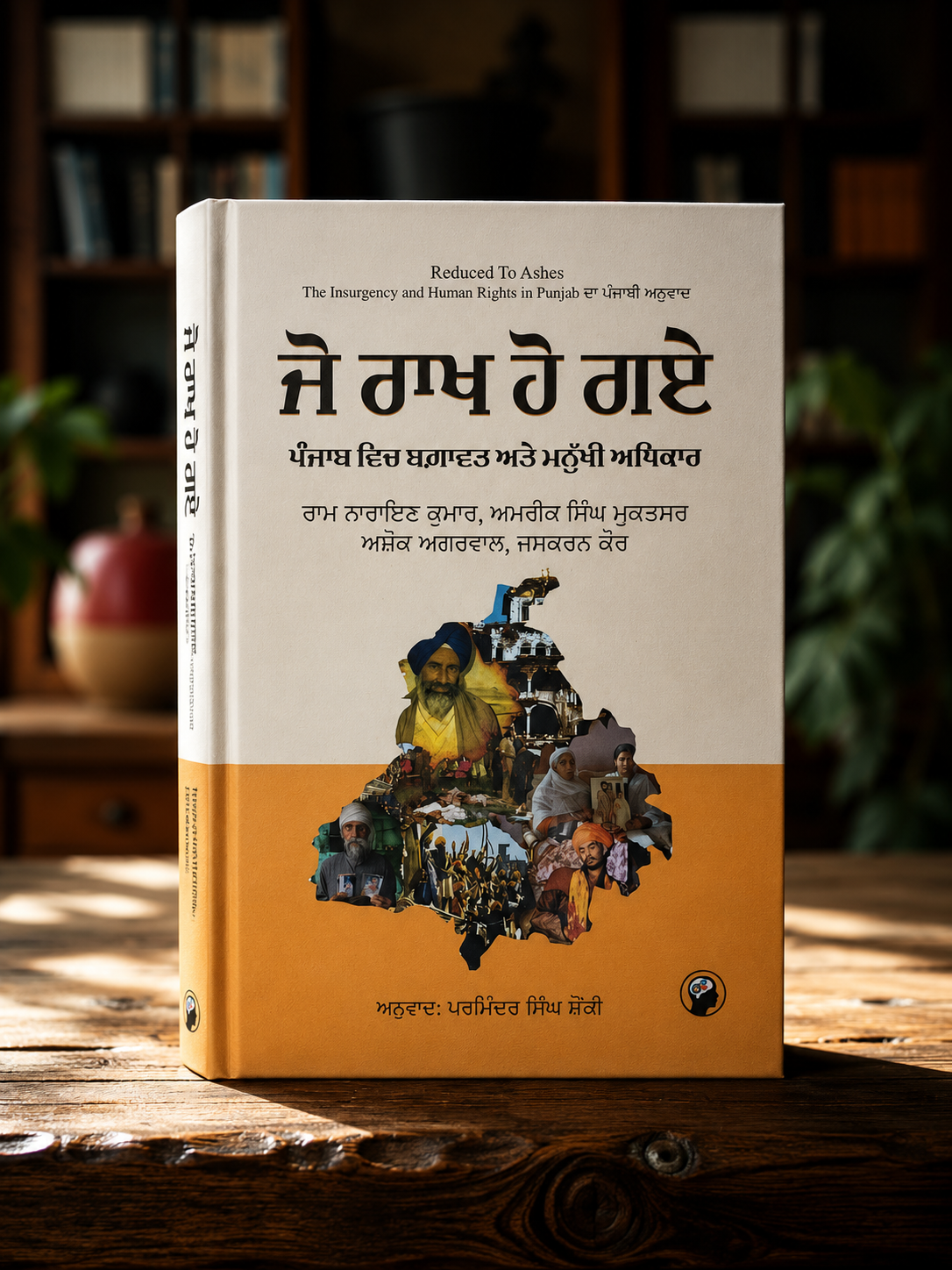
Jo Rakh Ho Gaye – Punjab Vich Bagaavat Ate Manukhi Adhikar
Punjabi Translation by Parminder Singh Shonki
Jo Rakh Ho Gaye – Punjab Vich Bagaavat Ate Manukhi Adhikar is the Punjabi translation of a compelling work that explores an important period in Punjab's modern history through the themes of conflict, society, governance, and human rights. Beautifully translated by Parminder Singh Shonki, Jo Rakh Ho Gaye brings the original work closer to Punjabi readers while preserving its depth, historical perspective, and literary quality. The translation makes the ideas of the original accessible in fluent Punjabi without losing the tone, context, or significance of the narrative.
More than a translated edition, Jo Rakh Ho Gaye invites readers to examine how historical events influence individuals, families, and communities. Through thoughtful writing and carefully translated language, the book encourages readers to reflect on the social and historical circumstances that shaped a significant chapter in Punjab's history. The subtitle Punjab Vich Bagaavat Ate Manukhi Adhikar highlights the broader themes explored throughout the work, providing important historical context while encouraging readers to think critically about the relationship between conflict, governance, and human rights.
One of the greatest strengths of Jo Rakh Ho Gaye is its ability to combine historical discussion with engaging storytelling. Rather than presenting isolated events, Jo Rakh Ho Gaye connects readers with the wider social environment, allowing them to understand how historical developments affected everyday lives. The result is a reading experience that is informative, reflective, and meaningful for anyone interested in history, society, and human rights.
Why Read Jo Rakh Ho Gaye?
Books that explore history through careful analysis often help readers understand not only what happened but also why events unfolded in particular ways. Jo Rakh Ho Gaye follows this approach by presenting a thoughtful narrative that encourages readers to examine historical developments within their wider context. Throughout Jo Rakh Ho Gaye, the focus remains on understanding historical circumstances, the experiences of people, and the social changes that influenced Punjab during an important period.
The translation by Parminder Singh Shonki makes these discussions accessible to Punjabi readers while preserving the integrity of the original work. Instead of offering a literal translation, Jo Rakh Ho Gaye reads naturally, allowing readers to engage with complex ideas in clear and expressive Punjabi. This careful balance between accuracy and readability is one of the reasons why Jo Rakh Ho Gaye offers such a rewarding reading experience.
Readers interested in historical literature, social studies, and human rights will appreciate how Jo Rakh Ho Gaye encourages thoughtful reading without overwhelming the audience with unnecessary complexity. The subtitle Punjab Vich Bagaavat Ate Manukhi Adhikar reflects the historical themes explored in the book and helps readers understand its broader focus.
The Literary and Historical Appeal of Jo Rakh Ho Gaye
The appeal of Jo Rakh Ho Gaye lies not only in its subject matter but also in the quality of its presentation. Through engaging narrative and careful translation, the book combines historical context with meaningful discussion, making it accessible to readers from a wide range of backgrounds.
Throughout Jo Rakh Ho Gaye, readers encounter themes that remain relevant today, including justice, social responsibility, governance, community, resilience, and the importance of understanding history through multiple perspectives. These themes encourage readers to think beyond individual events and consider the broader forces that influence societies over time.
The Punjabi translation by Parminder Singh Shonki ensures that readers can appreciate the original work in language that feels natural and authentic. This thoughtful approach allows Jo Rakh Ho Gaye to preserve the intellectual depth of the source material while remaining enjoyable to read.
Themes Explored in Jo Rakh Ho Gaye
Throughout Jo Rakh Ho Gaye, readers explore a variety of interconnected themes that contribute to a deeper understanding of history and society. These include:
- Human rights
- Historical developments
- Modern Punjab
- Society and governance
- Social change
- Community experiences
- Historical interpretation
- Justice and accountability
- Memory and identity
- Thought-provoking historical analysis
The subtitle Punjab Vich Bagaavat Ate Manukhi Adhikar reflects many of these themes, emphasizing the relationship between historical events and the broader questions they raise about society and human rights. By presenting these ideas in a structured and accessible way, Jo Rakh Ho Gaye encourages readers to approach history with curiosity and thoughtful reflection.
A Thoughtful Punjabi Translation by Parminder Singh Shonki
Translation is an art that requires more than simply changing words from one language to another. A successful translation preserves meaning, tone, context, and literary style while remaining natural for new readers. In Jo Rakh Ho Gaye, translator Parminder Singh Shonki has worked to ensure that the ideas, discussions, and narrative of the original work remain engaging and meaningful in Punjabi.
The result is a translation that feels fluent and authentic while maintaining the historical and analytical character of the source material. Readers who enjoy translated literature will appreciate the care taken to preserve both readability and accuracy throughout Jo Rakh Ho Gaye.
Whether you are interested in history, social issues, translated literature, or books that encourage critical thinking, Jo Rakh Ho Gaye offers a rewarding reading experience. Its combination of thoughtful translation, engaging narrative, and historical reflection makes it a valuable addition to the library of anyone who enjoys meaningful non-fiction and carefully translated works.
The Reading Experience of Jo Rakh Ho Gaye
One of the most distinctive qualities of Jo Rakh Ho Gaye is the balanced reading experience it offers. Instead of presenting history as a collection of dates and events, Jo Rakh Ho Gaye encourages readers to understand the human experiences behind historical developments. Every chapter invites readers to reflect on the relationship between individuals, society, governance, and the changing circumstances that shaped an important period in Punjab's modern history.
The Punjabi translation by Parminder Singh Shonki plays a significant role in making Jo Rakh Ho Gaye accessible to a wider audience. The language flows naturally while preserving the meaning, tone, and analytical depth of the original work. Readers can therefore engage with the subject comfortably without losing the richness of the original narrative. Throughout Jo Rakh Ho Gaye, the translation maintains clarity, readability, and literary quality, making the book equally suitable for casual readers and those interested in historical studies.
One of the greatest achievements of Jo Rakh Ho Gaye is its ability to encourage thoughtful reading. Rather than asking readers to accept simple conclusions, the book presents information and discussion that inspire reflection and a deeper understanding of the historical period being explored. The subtitle Punjab Vich Bagaavat Ate Manukhi Adhikar reflects the broader focus of the work, highlighting the relationship between conflict, governance, society, and human rights.
Historical Importance of Jo Rakh Ho Gaye
Understanding history requires more than reading about individual events. It also requires an appreciation of the social, cultural, and political environment in which those events occurred. Jo Rakh Ho Gaye follows this approach by encouraging readers to consider historical developments within their wider context. Throughout Jo Rakh Ho Gaye, discussions extend beyond individual experiences to explore how communities, institutions, and society were affected during a significant period in Punjab.
The themes presented in Punjab Vich Bagaavat Ate Manukhi Adhikar remain relevant because they encourage readers to think critically about historical change, public institutions, and the importance of understanding the past through careful study. By presenting these themes in clear and accessible Punjabi, Jo Rakh Ho Gaye becomes a valuable resource for readers who wish to explore history through translated literature.
Readers interested in modern history, governance, social studies, and historical analysis will appreciate how Jo Rakh Ho Gaye combines engaging narrative with thoughtful discussion. This balanced approach makes the book suitable not only for personal reading but also for educational and research purposes.
Literary Value of Jo Rakh Ho Gaye
Although Jo Rakh Ho Gaye examines important historical and social themes, it also succeeds as an engaging literary work. The translation retains the expressive style and intellectual depth of the original while ensuring that Punjabi readers enjoy a smooth and natural reading experience.
Throughout Jo Rakh Ho Gaye, readers encounter discussions that encourage reflection rather than simple answers. The careful structure of the narrative allows readers to understand the broader significance of historical developments while remaining connected to the experiences of individuals and communities. This combination of literary quality and historical discussion gives Jo Rakh Ho Gaye lasting value for readers interested in meaningful non-fiction.
The translation by Parminder Singh Shonki further strengthens the reading experience by preserving the tone and purpose of the original work. Instead of feeling like a literal translation, Jo Rakh Ho Gaye reads naturally in Punjabi, making the book approachable without sacrificing its depth or analytical character.
Who Should Read Jo Rakh Ho Gaye?
Jo Rakh Ho Gaye is recommended for readers interested in:
- Historical non-fiction
- Human rights studies
- Modern Punjab history
- Society and governance
- Social and political history
- Translated literature
- Contemporary non-fiction
- Academic reading
- Historical analysis
- Books that encourage critical thinking
Whether you are a student, researcher, educator, history enthusiast, or general reader, Jo Rakh Ho Gaye offers an informative and engaging reading experience. Readers who enjoy books that combine historical discussion with thoughtful analysis will find Jo Rakh Ho Gaye particularly rewarding.
The subtitle Punjab Vich Bagaavat Ate Manukhi Adhikar also makes the work relevant to readers interested in the broader themes of society, governance, and human rights, encouraging meaningful discussion and further exploration through reliable historical sources.
Why Add Jo Rakh Ho Gaye to Your Collection?
Every collection of meaningful literature benefits from books that encourage readers to think critically about history and society. Jo Rakh Ho Gaye offers exactly that by combining historical discussion, careful analysis, and a high-quality Punjabi translation into a single engaging volume.
Readers looking for translated works that retain the intellectual depth of the original will appreciate Jo Rakh Ho Gaye. The translation by Parminder Singh Shonki makes the work accessible while preserving its literary character and historical significance. Whether you are building a personal library or expanding an educational collection, Jo Rakh Ho Gaye provides an opportunity to engage with important historical themes in a thoughtful and balanced manner.
The broader discussions presented in Punjab Vich Bagaavat Ate Manukhi Adhikar make the book suitable for readers interested in history, public policy, governance, social studies, and human rights. It is a work that encourages careful reading and continued learning rather than offering simple conclusions.
Final Thoughts on Jo Rakh Ho Gaye
Jo Rakh Ho Gaye is a thoughtfully translated work that combines historical reflection, social analysis, and literary quality into an engaging reading experience. Through the dedicated translation of Parminder Singh Shonki, Jo Rakh Ho Gaye brings the original work to Punjabi readers while preserving its depth, clarity, and analytical perspective.
Throughout Jo Rakh Ho Gaye, readers are encouraged to explore important questions about history, society, governance, and human rights while developing a broader understanding of a significant period in Punjab's modern history. The themes highlighted in Punjab Vich Bagaavat Ate Manukhi Adhikar add further depth to the narrative, making the work valuable for readers interested in thoughtful historical writing and carefully translated literature.
Whether you are searching for a well-translated work of historical non-fiction, a meaningful addition to your reading collection, or a book that encourages reflection and informed discussion, Jo Rakh Ho Gaye is an excellent choice. Combining literary quality, historical context, and the skilled translation of Parminder Singh Shonki, Jo Rakh Ho Gaye stands as a rewarding read for anyone interested in history, society, and the enduring importance of understanding the past through carefully presented ideas and diverse perspectives.