

Kalam Kitaab
Dr. Bhim Rao Ambedkar Book (Punjabi)
Dr. Bhim Rao Ambedkar Book (Punjabi)
Couldn't load pickup availability
Share
Meri Aatamkatha is Dr. Bhim Rao Ambedkar’s powerful autobiographical work that reveals his life journey, personal struggles, and intellectual awakening. Through his own experiences, Ambedkar exposes caste discrimination, social injustice, and the harsh realities faced by marginalized communities, while emphasizing education, self-respect, and equality as the path to liberation.
ਮੇਰੀ ਆਤਮਕਥਾ ਡਾ. ਭੀਮ ਰਾਓ ਅੰਬੇਡਕਰ ਦੀ ਜੀਵਨ ਕਥਾ ਹੈ, ਜੋ ਉਨ੍ਹਾਂ ਦੇ ਨਿੱਜੀ ਸੰਘਰਸ਼, ਬੁੱਧਿਕ ਵਿਕਾਸ ਅਤੇ ਸਮਾਜਕ ਚੇਤਨਾ ਨੂੰ ਸੱਚਾਈ ਨਾਲ ਦਰਸਾਉਂਦੀ ਹੈ। ਇਸ ਕਿਤਾਬ ਵਿੱਚ ਉਹ ਜਾਤੀਵਾਦ, ਅਨਿਆਂ ਅਤੇ ਅਪਮਾਨ ਦੀਆਂ ਹਕੀਕਤਾਂ ਨੂੰ ਬੇਨਕਾਬ ਕਰਦੇ ਹਨ ਅਤੇ ਸਿੱਖਿਆ, ਆਤਮ-ਸਨਮਾਨ ਅਤੇ ਸਮਾਨਤਾ ਨੂੰ ਮੁਕਤੀ ਦਾ ਮਾਰਗ ਦੱਸਦੇ ਹਨ।
Book Title: Meri Aatamkatha
Author: Dr. Bhim Rao Ambedkar
Language: Punjabi
Genre: Autobiography / Social Reform Literature
Available at: Kamal Kitaab
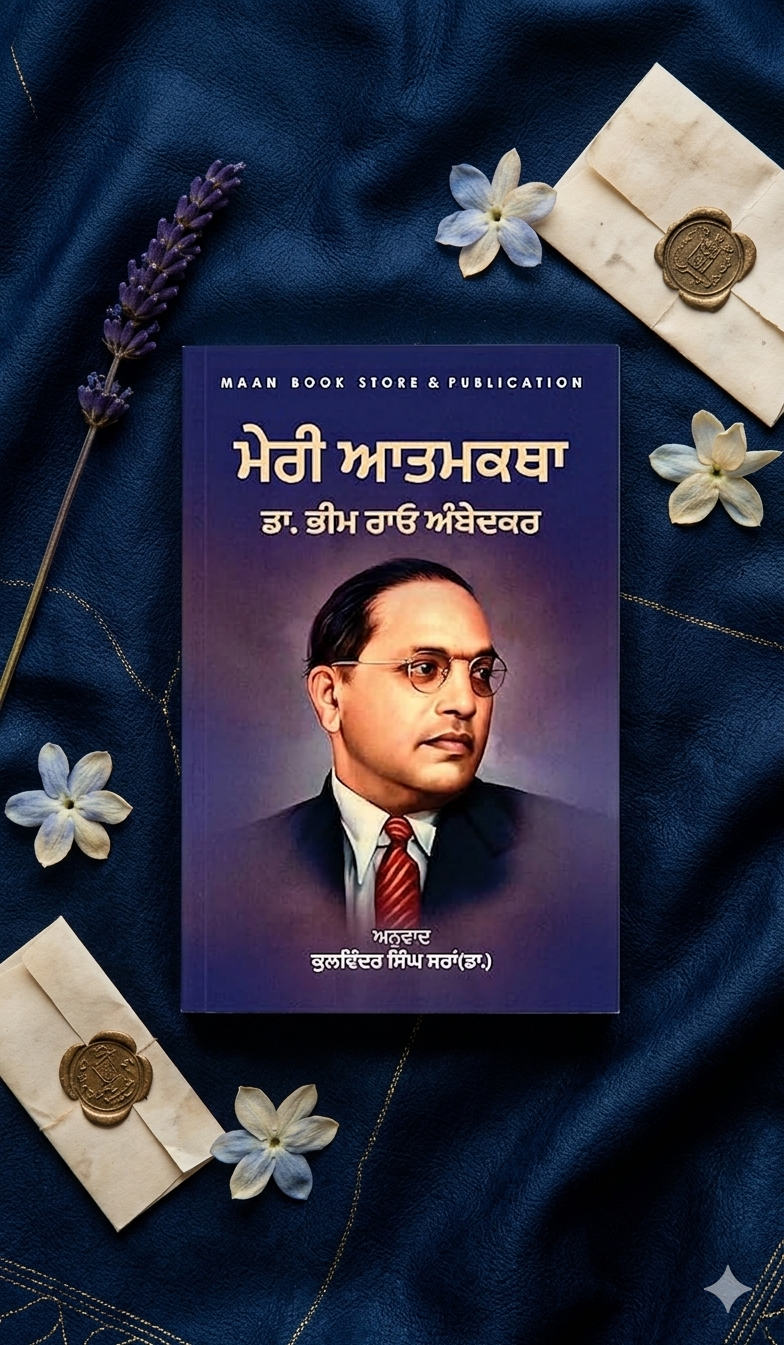
Meri Aatamkatha – Dr. Bhim Rao Ambedkar
A Voice of Truth, Struggle, and Social Awakening
Meri Aatamkatha by Dr. Bhim Rao Ambedkar is not merely an autobiography; it is a powerful historical document that captures the lived reality of oppression, resistance, and intellectual courage. Written with honesty and clarity, this book reveals the personal journey of one of India’s greatest social reformers, constitutional architects, and thinkers. In Punjabi, Meri Aatamkatha becomes even more impactful, allowing readers to connect emotionally with Ambedkar’s experiences and ideals.
Dr. Ambedkar’s life story is deeply intertwined with the social structure of India. His autobiography exposes caste discrimination, social exclusion, and systemic injustice, while simultaneously presenting education, reason, and self-respect as tools of liberation. Punjabi readers find in this book not just a biography, but a mirror of social reality and a guide for dignity-driven living.
The Importance of Meri Aatamkatha in Punjabi Literature
Autobiography as Social History
Meri Aatamkatha holds a special place among Punjabi social reform books because it documents history through personal experience. Unlike conventional historical texts, this book speaks directly from lived suffering. Ambedkar does not romanticize his struggles; he presents them as they were—raw, painful, and deeply unjust.
In Punjabi literature, autobiographies often serve as instruments of awareness. Meri Aatamkatha strengthens this tradition by offering an authentic narrative of caste-based discrimination, educational struggle, and social resistance.
Why Punjabi Translation Matters
Reading Meri Aatamkatha in Punjabi allows readers from Punjab and Punjabi-speaking regions to engage deeply with Ambedkar’s ideas. Language carries emotion, and Punjabi brings warmth, immediacy, and cultural closeness to the text.
The Punjabi version ensures that Ambedkar’s message reaches grassroots readers—students, activists, educators, and common people—making the book an essential part of Punjabi social reform literature.
Early Life of Dr. Bhim Rao Ambedkar as Described in Meri Aatamkatha
Childhood and Caste-Based Discrimination
One of the most powerful sections of Meri Aatamkatha focuses on Ambedkar’s childhood. He describes the humiliation he faced as a Dalit child—being denied water, separated in classrooms, and treated as untouchable. These experiences are narrated not with bitterness, but with analytical clarity.
Through these episodes, Meri Aatamkatha reveals how caste discrimination was deeply institutionalized. Punjabi readers often find these sections emotionally stirring, as they highlight the moral cost of social injustice.
Education Against All Odds
Education becomes a recurring theme in Meri Aatamkatha. Despite extreme poverty and discrimination, Ambedkar’s determination to study never weakened. He describes his journey through schools and colleges as a continuous struggle—not just academic, but social.
This aspect makes Meri Aatamkatha especially inspiring for students. In Punjabi, the message of education as liberation becomes even more powerful and relatable.
Intellectual Growth and Global Exposure
Studies Abroad and Expansion of Thought
Dr. Ambedkar’s education abroad marks a turning point in Meri Aatamkatha. His time in institutions outside India broadened his understanding of democracy, law, economics, and social justice.
The book explains how exposure to global ideas strengthened his resolve to fight caste oppression in India. Punjabi readers gain insight into how education transforms not only individuals but entire societies.
Developing a Vision for Social Equality
Meri Aatamkatha shows how Ambedkar’s personal suffering evolved into a collective vision for equality. His experiences shaped his belief that social reform must be rooted in law, education, and rational thinking.
This transformation—from victim to visionary—is one of the most inspiring elements of the book.
Meri Aatamkatha as a Social Reform Text
Exposing the Reality of Caste System
At its core, Meri Aatamkatha is a critique of the caste system. Ambedkar exposes how caste destroys human dignity and social harmony. He challenges religious justifications of inequality and calls for structural reform.
In Punjabi social reform literature, such direct confrontation of caste injustice is rare and valuable. The book encourages readers to question inherited beliefs and social conditioning.
Literature as Resistance
Meri Aatamkatha proves that writing can be an act of resistance. Ambedkar uses his life story as evidence against oppression. His autobiography becomes a voice for millions who were silenced.
This makes the book essential not only for readers of history but also for those interested in resistance literature in Punjabi.
Language, Tone, and Writing Style in Meri Aatamkatha
Clear, Honest, and Analytical
Ambedkar’s writing style in Meri Aatamkatha is simple yet powerful. He avoids emotional exaggeration and instead relies on facts, observation, and logic. This makes the book intellectually strong and emotionally credible.
The Punjabi translation preserves this clarity, making the text accessible without diluting its seriousness.
Personal Yet Universal
While deeply personal, Meri Aatamkatha speaks to universal themes—dignity, justice, identity, and self-worth. Punjabi readers often relate Ambedkar’s experiences to broader social realities in Punjab and India.
Educational Value of Meri Aatamkatha
For Students and Researchers
Meri Aatamkatha is widely studied in academic circles. It provides firsthand insight into social discrimination, colonial India, and the making of a reformer.
In Punjabi, the book becomes an excellent resource for students of social sciences, political studies, and Punjabi literature.
For Social Awareness and Ethical Reflection
Beyond academics, Meri Aatamkatha encourages ethical reflection. It asks readers to examine their role in society and challenges them to stand against injustice.
This reflective quality makes it relevant even today.
Why Read Meri Aatamkatha Today
Relevance in Modern Society
Despite social progress, issues of inequality, discrimination, and exclusion persist. Meri Aatamkatha reminds readers that social justice requires continuous effort.
Punjabi readers find the book especially relevant as it connects social reform with personal responsibility.
Inspiration for Self-Respect and Courage
Ambedkar’s life, as described in Meri Aatamkatha, is a lesson in courage and self-respect. He never accepted humiliation as destiny. Instead, he transformed suffering into strength.
This message resonates deeply with readers from all backgrounds.
Place of Meri Aatamkatha in Punjabi Book Collections
An Essential Social Reform Book
Meri Aatamkatha is a must-have in collections of Punjabi social reform books. It stands alongside works that challenge injustice and promote equality.
Readers interested in meaningful Punjabi books often seek this autobiography for its depth and honesty.
A Book to Read, Reread, and Reflect Upon
This is not a book for one-time reading. Each reading of Meri Aatamkatha reveals new layers of meaning. Its relevance grows with time.
Conclusion – Meri Aatamkatha as a Living Document of Truth
Meri Aatamkatha by Dr. Bhim Rao Ambedkar is more than an autobiography; it is a moral and intellectual legacy. Through personal struggle, sharp analysis, and unwavering commitment to equality, Ambedkar offers readers a roadmap for dignity-driven life.
In Punjabi, this book becomes even more powerful—speaking directly to the heart while challenging the mind. For readers seeking Punjabi books that combine truth, courage, and social consciousness, Meri Aatamkatha remains timeless and essential.