


Kalam Kitaab
Dastavez (ਦਸਤਾਵੇਜ਼) – Amrita Pritam
Dastavez (ਦਸਤਾਵੇਜ਼) – Amrita Pritam
Couldn't load pickup availability
Share
"Dastavez" is a compelling collection of Amrita Pritam's personal letters, documents, and writings that offer an intimate glimpse into her life, thoughts, relationships, and creative process. This rare archival book reveals the woman behind the legend through authentic correspondence and notes.
"ਦਸਤਾਵੇਜ਼" ਅੰਮ੍ਰਿਤਾ ਪ੍ਰੀਤਮ ਦੇ ਨਿੱਜੀ ਪੱਤਰਾਂ, ਦਸਤਾਵੇਜ਼ਾਂ ਅਤੇ ਲਿਖਤਾਂ ਦਾ ਇੱਕ ਦਿਲਚਸਪ ਸੰਗ੍ਰਹਿ ਹੈ ਜੋ ਉਨ੍ਹਾਂ ਦੇ ਜੀਵਨ, ਵਿਚਾਰਾਂ, ਰਿਸ਼ਤਿਆਂ ਅਤੇ ਰਚਨਾਤਮਕ ਪ੍ਰਕਿਰਿਆ ਵਿੱਚ ਨੇੜਲਾ ਝਾਤ ਮਾਰਦਾ ਹੈ। ਇਹ ਦੁਰਲੱਭ ਅਭਿਲੇਖਾਤਮਕ ਕਿਤਾਬ ਪ੍ਰਮਾਣਿਕ ਪੱਤਰਾਂ ਅਤੇ ਨੋਟਾਂ ਰਾਹੀਂ ਕਿਸੇ ਮਹਾਨ ਲੇਖਿਕਾ ਦੇ ਪਿੱਛੇ ਦੀ ਔਰਤ ਨੂੰ ਉਜਾਗਰ ਕਰਦੀ ਹੈ।
Book Title: Dastavez (ਦਸਤਾਵੇਜ਼)
Author: Amrita Pritam
Language: Punjabi (Gurmukhi)
Genre: Letters/Archival Collection (ਪੱਤਰ ਸੰਗ੍ਰਹਿ/ਅਭਿਲੇਖ)
Available at: Kalam Kitaab


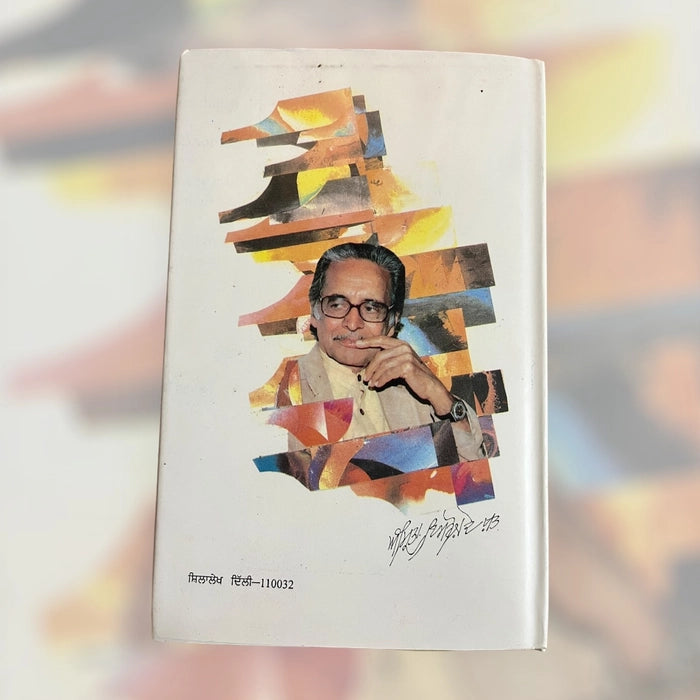
Dastavez Book: Amrita Pritam's Intimate Archival Revelation
"Dastavez book," compiled and published posthumously (various editions from 2006 onward by publishers like Navyug and others), is a rare and precious collection of Amrita Pritam's personal letters, notes, documents, and unpublished writings. This archival treasure offers readers an extraordinarily intimate view of one of Punjabi literature's greatest icons – Amrita Pritam (1919–2005). Unlike her novels or poetry, the "Dastavez book" presents raw, unfiltered glimpses into her private world: correspondence with lovers, friends, fellow writers, family, and even official records that shaped her life.
Curated from Pritam's personal papers preserved by her companion Imroz and others close to her, the "Dastavez book" serves as a companion to her famous autobiography "Raseedi Ticket," filling gaps with authentic documents. It humanizes the legendary poet, revealing vulnerabilities, passions, conflicts, and quiet moments behind her public persona.
Origins and Compilation of the Book
After Amrita Pritam's passing in 2005, her lifelong partner Imroz and literary associates carefully compiled her vast collection of letters and papers. The "Dastavez book" emerged as a way to honor her wish for transparency, presenting materials she had kept private during her lifetime.
Editions vary slightly, but most include handwritten letters (reproduced or transcribed), telegrams, diary excerpts, legal documents (e.g., divorce papers), and notes to herself. The book often features facsimiles of originals, adding authenticity and visual appeal.
Dastavez Book: Key Correspondences and Insights
The "Dastavez book" features letters to and from significant figures in Pritam's life:
- Sahir Ludhianvi – Passionate, pained exchanges revealing their intense but unfulfilled love, with Pritam's longing and Sahir's emotional distance.
- Imroz – Tender, everyday notes showing their deep companionship – practical, affectionate, and creative.
- Family and Friends – Letters to children, siblings, and literary peers discussing personal struggles, Partition trauma, and daily life.
- Other Writers – Correspondence with Punjabi and Hindi luminaries like Mohan Singh, Shiv Kumar Batalvi, and others, debating literature and society.
Official "dastavez" include divorce records from 1960, highlighting her bold break from convention, and awards documentation reflecting her achievements.
Pritam's own notes – jottings on poetry ideas, self-reflections, dreams – add profound introspection, showing her creative process up close.
Themes Emerging from the Documents
Love and Emotional Complexity
The "Dastavez book" lays bare Pritam's romantic life – ecstasy with Sahir, stability with Imroz, and earlier marital discontent – with raw honesty that echoes "Raseedi Ticket" but in primary sources.
Partition and Social Trauma
Letters from 1947 reveal heartbreak over displacement, lost friends, and communal violence, fueling her iconic works.
Women's Independence and Creativity
Documents chronicle Pritam's fight for autonomy – financial, emotional, artistic – in a patriarchal era, inspiring readers with her resilience.
Literary World and Friendships
Exchanges with contemporaries offer behind-the-scenes views of Punjabi literary circles, debates, and mutual support.
Amrita Pritam's Voice in Private Writings
Even in casual letters, Pritam's poetic sensibility shines – metaphors, rhythm, emotional depth. The "Dastavez book" shows how her personal pain transformed into universal art.
Her handwriting reproductions add a tactile intimacy, making readers feel connected across time.
Dastavez Book: Reception and Literary Significance
Upon release, the "Dastavez book" was hailed for deepening understanding of Pritam beyond myths. Critics praised its authenticity, noting how primary sources validate and expand her autobiography.
It sparked renewed interest in Pritam's life, influencing biographies, documentaries, and academic studies. For scholars, it's invaluable primary material; for general readers, it's emotionally gripping.
The book reinforces Pritam's feminist legacy – a woman who documented her life unapologetically, claiming space for women's inner worlds.
Why Dastavez Resonates Today
In an age of digital diaries and public sharing, the "Dastavez book" feels both timeless and prescient. Pritam's willingness to preserve private truths challenges us to confront our own stories honestly.
For Punjabi literature enthusiasts, it's essential – complementing "Raseedi Ticket" with tangible evidence of a extraordinary life.
Intimate, revealing, and profoundly human, the "Dastavez book" by Amrita Pritam opens her archives to the world – inviting readers to witness the documents that shaped a legend, and through them, touch the soul of a woman who lived, loved, and wrote fearlessly.