

Kalam Kitaab
Chup Di Awaaz (ਚੁੱਪ ਦੀ ਆਵਾਜ਼) – Shiv Kumar Batalvi
Chup Di Awaaz (ਚੁੱਪ ਦੀ ਆਵਾਜ਼) – Shiv Kumar Batalvi
Couldn't load pickup availability
Share
"Chup Di Awaaz" is a deeply moving nazm by Shiv Kumar Batalvi that explores the silent pain of unspoken love, inner turmoil, and the loud voice of silence itself. This poem showcases Batalvi's mastery in giving expression to suppressed emotions and the beauty hidden in quiet suffering.
"ਚੁੱਪ ਦੀ ਆਵਾਜ਼" ਸ਼ਿਵ ਕੁਮਾਰ ਬਟਾਲਵੀ ਦੀ ਇੱਕ ਡੂੰਘੀ ਭਾਵੁਕ ਨਜ਼ਮ ਹੈ ਜੋ ਅਣਕਹੇ ਪਿਆਰ ਦੇ ਚੁੱਪ ਦਰਦ, ਅੰਦਰੂਨੀ ਉਥਲ-ਪੁਥਲ ਅਤੇ ਚੁੱਪ ਦੀ ਆਪਣੀ ਉੱਚੀ ਆਵਾਜ਼ ਨੂੰ ਬਿਆਨ ਕਰਦੀ ਹੈ। ਇਹ ਨਜ਼ਮ ਬਟਾਲਵੀ ਦੀ ਮਾਹਿਰੀ ਨੂੰ ਦਰਸਾਉਂਦੀ ਹੈ ਜੋ ਦੱਬੀਆਂ ਭਾਵਨਾਵਾਂ ਨੂੰ ਅਵਾਜ਼ ਦਿੰਦੀ ਹੈ ਅਤੇ ਚੁੱਪ ਵਿੱਚ ਲੁਕੀ ਸੁੰਦਰਤਾ ਨੂੰ ਉਜਾਗਰ ਕਰਦੀ ਹੈ।
Book Title: ਚੁੱਪ ਦੀ ਆਵਾਜ਼ (Chup Di Awaaz)
Author: Shiv Kumar Batalvi
Language: Punjabi (Gurmukhi)
Genre: Poem/Nazam (ਨਜ਼ਮ)
Available at: Kalam Kitaab
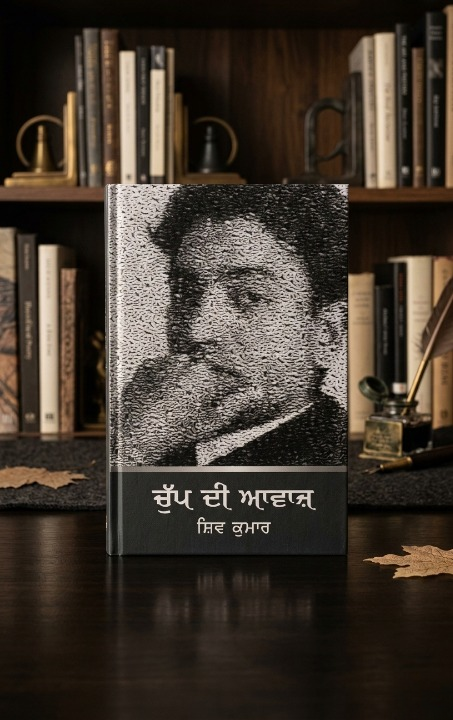
Chup Di Awaaz Book: Shiv Kumar Batalvi's Profound Exploration of Silent Pain
"Chup Di Awaaz book" is one of Shiv Kumar Batalvi's most introspective and emotionally resonant nazms, frequently included in his complete poetry collections and anthologies. This masterful poem delves into the paradox of silence – how the absence of words can carry the heaviest emotional burden, echoing louder than any spoken cry. Shiv Kumar Batalvi (1936–1973), celebrated as the "Birha da Sultan" (King of Longing) for his unparalleled ability to articulate love's agony and human vulnerability, uses this nazm to transform quiet suffering into a powerful poetic voice. The "Chup Di Awaaz book" stands as a testament to Batalvi's genius in voicing the unvoiceable, turning suppressed feelings into universal truths that resonate across generations.
Included in collections like "Samuchi Kavita" and often recited or adapted into songs, the "Chup Di Awaaz book" captures Batalvi's signature blend of lyrical beauty and raw emotional depth, making silence itself a central, almost tangible character in the narrative of inner conflict.
Themes and Emotional Depth in the Book
At the core of the "Chup Di Awaaz book," Batalvi examines the "voice of silence" – the unspoken emotions that scream within when words fail or are withheld. The poem portrays silence not as mere emptiness but as a profound presence laden with unexpressed love, grief, regret, and longing. Batalvi explores how suppressed desires, hidden wounds, and unshared truths accumulate, creating an inner noise that drowns out external sounds.
The nazm resonates deeply with experiences of unrequited love, societal constraints on expression, or personal battles fought in solitude. Batalvi's feminine perspective – common in his work – adds layers of empathy, voicing the quiet endurance of women bearing emotional burdens without complaint. This theme of silence as both prison and sanctuary elevates the poem to philosophical heights, questioning how much of human suffering remains forever unspoken.
Readers find catharsis in Batalvi's acknowledgment that silence can be eloquent, carrying echoes of pain that words might dilute. The "Chup Di Awaaz book" ultimately celebrates the strength in quiet resilience while mourning the isolation it brings.
Batalvi's Style and Language in the Book
Batalvi's language in the "Chup Di Awaaz book" is characteristically rhythmic and layered, employing repetition to mimic the persistent echo of unspoken thoughts. Simple Punjabi words build intense emotional crescendos, with pauses and silences in the structure becoming meaningful elements themselves.
His imagery – shadows of unsaid words lingering in empty rooms, the heaviness of quiet nights pressing on the chest, echoes reverberating in hollow spaces – makes silence vivid and alive. The nazm's natural musicality, with flowing rhythm and refrain-like lines, invites slow recitation where the spaces between words speak as loudly as the verses.
This style in the "Chup Di Awaaz book" reflects Batalvi's broader approach: turning personal anguish into universal poetry, accessible yet profoundly deep.
Cultural Impact and Musical Adaptations of the Book
"Chup Di Awaaz book" has become one of Batalvi's most quoted and introspective nazms, often performed at literary events, mushairas, and personal gatherings. Its haunting melody has inspired musical adaptations, with singers capturing the poem's quiet intensity through minimal instrumentation and emotive delivery.
In Punjabi culture, the nazm speaks to the value placed on stoic endurance and understated emotion, resonating with traditions of bearing pain silently while finding beauty in restraint. Shared widely on social media and in educational contexts, it continues to offer solace to those carrying unspoken burdens.
Chup Di Awaaz in Batalvi's Broader Legacy
Within Shiv Kumar Batalvi's oeuvre, the "Chup Di Awaaz book" complements his more passionate works like "Maye Ni Maye" or "Birha Tu Sultan," showcasing his range from ecstatic longing to contemplative silence. It highlights his ability to explore emotional extremes – from fiery expression to profound quietude.
Alongside masterpieces like "Loona" (Sahitya Akademi winner), this nazm reinforces Batalvi's status as Punjab's tragic romantic poet whose verses articulate the inarticulable.
Why Chup Di Awaaz Resonates Today
In an era dominated by constant noise, oversharing, and digital chatter, the "Chup Di Awaaz book" by Shiv Kumar Batalvi offers a powerful counterpoint – validating the depth of silence and the weight of unspoken feelings. It provides comfort to those navigating inner turmoil, suppressed love, or personal grief, reminding us that quiet endurance can be a form of strength.
For readers seeking reflection amid chaos, this nazm serves as a sanctuary – proving that sometimes, the loudest cries are the ones never uttered.
Haunting, introspective, and eternally relevant, "Chup Di Awaaz" captures Batalvi's genius in voicing the unvoiceable – a masterpiece where silence becomes the most eloquent expression of the human heart's deepest struggles.
Profound and timeless, the "Chup Di Awaaz book" continues to echo in Punjabi literature, inviting us to listen to the quiet voices within.