


Kalam Kitaab
Chitarkaar (ਚਿੱਤਰਕਾਰ) Novel – Nanak Singh
Chitarkaar (ਚਿੱਤਰਕਾਰ) Novel – Nanak Singh
Couldn't load pickup availability
Share
"Chitarkaar" is Nanak Singh's engaging Punjabi novel that explores the life of an artist, delving into themes of creativity, passion, societal expectations, and the struggle between art and reality. With vivid characters and emotional depth, it portrays the artist's inner world and conflicts in early 20th-century Punjab.
"ਚਿੱਤਰਕਾਰ" ਨਾਨਕ ਸਿੰਘ ਦਾ ਦਿਲਚਸਪ ਪੰਜਾਬੀ ਨਾਵਲ ਹੈ ਜੋ ਇੱਕ ਚਿੱਤਰਕਾਰ ਦੇ ਜੀਵਨ ਨੂੰ ਖੋਜਦਾ ਹੈ, ਰਚਨਾਤਮਕਤਾ, ਜਜ਼ਬੇ, ਸਮਾਜਿਕ ਉਮੀਦਾਂ ਅਤੇ ਕਲਾ ਤੇ ਹਕੀਕਤ ਵਿਚਕਾਰ ਸੰਘਰਸ਼ ਨੂੰ ਬਿਆਨ ਕਰਦਾ ਹੈ। ਜੀਵੰਤ ਪਾਤਰਾਂ ਅਤੇ ਭਾਵਨਾਤਮਕ ਡੂੰਘਾਈ ਨਾਲ ਇਹ 20ਵੀਂ ਸਦੀ ਦੇ ਸ਼ੁਰੂ ਵਿੱਚ ਪੰਜਾਬ ਵਿੱਚ ਕਲਾਕਾਰ ਦੇ ਅੰਦਰੂਨੀ ਸੰਸਾਰ ਨੂੰ ਦਰਸਾਉਂਦਾ ਹੈ।
Book Title: ਚਿੱਤਰਕਾਰ (Chitarkaar)
Author: Nanak Singh
Language: Punjabi (Gurmukhi)
Genre: Novel (Social/Artistic)
Available at: Kalam Kitaab

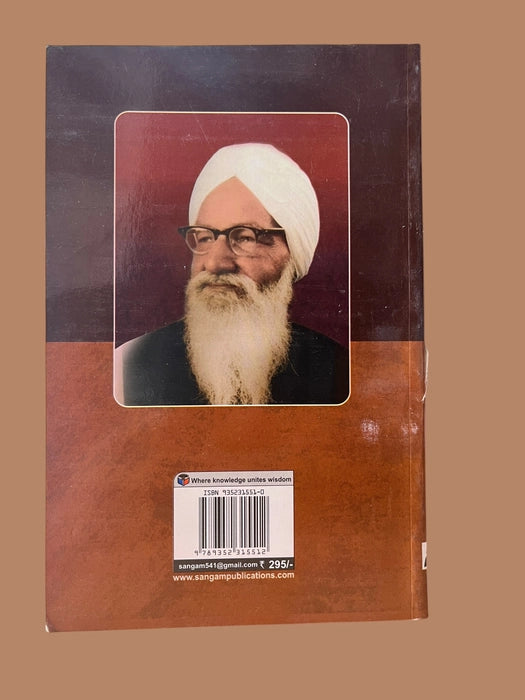
Chitarkaar Book: Nanak Singh's Novel Portrait of an Artist's Soul
"Chitarkaar book," one of Nanak Singh's notable novels from his vast repertoire of over 50 works, is a captivating exploration of the artist's life and inner conflicts in colonial-era Punjab. Nanak Singh (1897–1971), revered as the "Father of the Punjabi Novel" for his pioneering social realism and humanism, crafts a narrative around a passionate painter ("chitarkaar") whose devotion to art clashes with societal demands, family responsibilities, and personal dilemmas. The "Chitarkaar book" reflects Singh's keen observation of human nature, blending creativity's joy with its isolating struggles.
With empathetic storytelling and vivid descriptions, the "Chitarkaar book" delves into the tension between artistic pursuit and worldly realities, making it a timeless reflection on passion versus practicality in Punjabi literature.
Plot and Central Character in the Book
The "Chitarkaar book" centers on a talented young artist whose life is consumed by painting. Gifted with vision and skill, he finds solace and purpose in his canvas, capturing beauty in colors and forms. However, society views art as frivolous – family pressures him toward stable employment, love interests conflict with his dedication, and financial hardships threaten his dream.
Nanak Singh develops the chitarkaar as a complex figure – idealistic yet tormented, inspired yet isolated. Key events include his artistic breakthroughs, romantic entanglements, family opposition, and moments of doubt where he questions if art justifies sacrifice. Supporting characters – supportive friends, critical relatives, admiring patrons – highlight broader societal attitudes toward creativity.
The narrative builds through studio scenes, exhibitions, and personal crises, culminating in reflections on art's value amid life's demands.
Key Themes in Chitarkaar Book
Passion for Art and Creativity
Central to the "Chitarkaar book" is celebration of artistic calling – how creation brings fulfillment yet demands everything.
Conflict Between Art and Society
Singh critiques conventional expectations – marriage, jobs, stability – that stifle creative souls.
Isolation and Inner Struggle
The artist's loneliness in pursuing vision others don't understand forms poignant exploration.
Love and Sacrifice
Romantic relationships test the chitarkaar's commitment, questioning if love complements or hinders art.
Value of Beauty in Ordinary Life
Through painting, Singh affirms art's role in finding meaning amid hardship.
Nanak Singh's Writing Style in the Book
Nanak Singh's prose in the "Chitarkaar book" is descriptive and evocative, painting scenes with words as the protagonist does with brushes. Rich in visual imagery – colors, light, shadows – it immerses readers in the artist's world.
Dialogue reflects Punjabi speech patterns, while introspective passages reveal psychological depth. Singh balances empathy with realism, avoiding idealization.
Cultural and Literary Significance of the Book
"Chitarkaar book" contributes to Nanak Singh's tradition of portraying marginalized or unconventional lives, alongside works like "Pavittar Paapi" and "Khoon De Sohile." It highlights early 20th-century Punjab's limited support for arts, reflecting colonial-era constraints.
In Punjabi literature, it stands for exploring creativity's challenges, inspiring discussions on balancing passion with responsibility.
Nanak Singh's Legacy
From Jallianwala Bagh survivor to prolific novelist, Nanak Singh championed social reform and humanism. The "Chitarkaar book" exemplifies his insight into individual dreams versus societal pressures.
His works shaped Punjabi fiction's depth and accessibility.
Why Chitarkaar Resonates Today
In times when creative pursuits compete with practical demands, the "Chitarkaar book" by Nanak Singh offers timeless reflection on following passion. It validates artists' struggles while questioning society's valuation of creativity.
Thought-provoking and beautifully written, "Chitarkaar" is essential reading – a tribute to the artist's soul and the eternal conflict between dream and duty.
Empathetic, vivid, and enduringly relevant, the "Chitarkaar book" affirms Nanak Singh's mastery in capturing human aspirations with sensitivity and truth.