

Kalam Kitaab
Burj Khalifa ( ਬੁਰਜ ਖਲੀਫਾ ) - Gurjeet Toot Book
Burj Khalifa ( ਬੁਰਜ ਖਲੀਫਾ ) - Gurjeet Toot Book
Couldn't load pickup availability
Share
"Burj Khalifa" ਗੁਰਪ੍ਰੀਤ ਸਹਿਜੀ ਦੀ ਲਿਖੀ ਇੱਕ ਦਿਲਚਸਪ ਪੰਜਾਬੀ ਕਿਤਾਬ ਹੈ ਜੋ ਮਸ਼ਹੂਰ ਕਬੱਡੀ ਖਿਡਾਰੀ ਗੁਰਜੀਤ ਤੂਤ ਦੇ ਜੀਵਨ ਅਤੇ ਖੇਡ ਸਫ਼ਰ ਨੂੰ ਪਾਠਕਾਂ ਸਾਹਮਣੇ ਪੇਸ਼ ਕਰਦੀ ਹੈ। Burj Khalifa ਵਿੱਚ ਗੁਰਜੀਤ ਤੂਤ ਦੀ ਸ਼ਖ਼ਸੀਅਤ, ਕਬੱਡੀ ਪ੍ਰਤੀ ਜਨੂੰਨ, ਮਿਹਨਤ, ਹੌਸਲੇ ਅਤੇ ਖੇਡ ਜਗਤ ਵਿੱਚ ਆਪਣੀ ਪਛਾਣ ਬਣਾਉਣ ਦੇ ਸਫ਼ਰ ਨਾਲ ਜੁੜੇ ਪੱਖਾਂ ਨੂੰ ਦਰਸਾਇਆ ਗਿਆ ਹੈ। ਇੱਕ ਕਬੱਡੀ ਖਿਡਾਰੀ ਦੇ ਤੌਰ 'ਤੇ ਸਾਹਮਣੇ ਆਈਆਂ ਚੁਣੌਤੀਆਂ, ਤਜਰਬਿਆਂ ਅਤੇ ਉਪਲਬਧੀਆਂ ਦੀ ਕਹਾਣੀ Burj Khalifa ਨੂੰ ਇੱਕ ਪ੍ਰੇਰਣਾਦਾਇਕ ਪੜ੍ਹਾਈ ਬਣਾਉਂਦੀ ਹੈ। ਕਬੱਡੀ, ਪੰਜਾਬੀ ਖੇਡ ਸੱਭਿਆਚਾਰ ਅਤੇ ਖਿਡਾਰੀਆਂ ਦੀਆਂ ਜੀਵਨ ਕਹਾਣੀਆਂ ਵਿੱਚ ਦਿਲਚਸਪੀ ਰੱਖਣ ਵਾਲੇ ਪਾਠਕਾਂ ਲਈ Burj Khalifa ਇੱਕ ਖ਼ਾਸ ਕਿਤਾਬ ਹੈ।
"Burj Khalifa" by Gurpreet Sehji is a Punjabi book based on the life and sporting journey of renowned Kabaddi player Gurjeet Toot. Burj Khalifa explores Gurjeet Toot's personality, passion for Kabaddi, dedication, struggles, experiences, and achievements throughout his sporting journey. The book offers readers an insight into the determination and hard work behind the life of a Kabaddi player and the challenges involved in building a name in the sporting world. For readers interested in Kabaddi, Punjabi sports culture, athlete biographies, and inspiring real-life journeys, Burj Khalifa is an engaging and motivating read.
Book Title: Burj Khalifa
Author: Gurpreet Sehji
Based On: Life Story of Kabaddi Player Gurjeet Toot
Language: Punjabi (Gurmukhi)
Genre: Biography / Sports / Kabaddi / Life Story
Available at: Kalam Kitaab
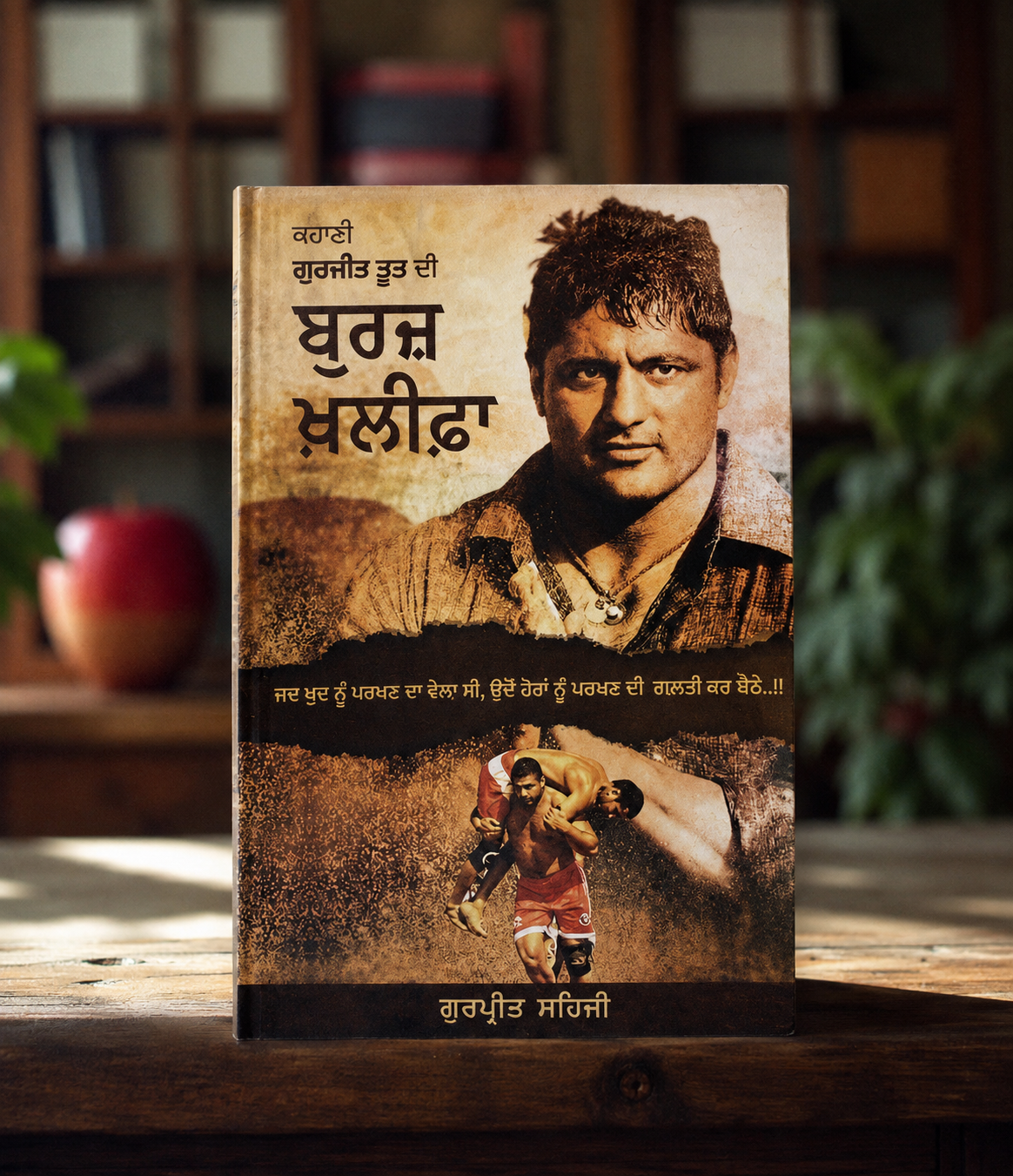
Burj Khalifa (ਬੁਰਜ ਖਲੀਫਾ) – Gurjeet Toot
The Story of Gurjeet Toot
Burj Khalifa (ਬੁਰਜ ਖਲੀਫਾ) is a Punjabi book centred on the life story and sporting journey of Gurjeet Toot, a kabaddi player. The book presents the experiences, struggles, ambitions, challenges, and sporting journey associated with Gurjeet Toot, allowing readers to look beyond his identity as a player and explore the story behind the sportsperson.
It is important to clarify that Gurjeet Toot is the kabaddi player whose story is presented in the book, not the author of the book.
A sportsperson is often remembered through performances on the field. Spectators see the raids, tackles, points, victories, defeats, and competitive moments. But behind every such moment is a much longer journey involving preparation, discipline, practice, pressure, determination, and personal experiences.
Burj Khalifa brings attention to that journey and presents Gurjeet Toot not simply as a name associated with kabaddi, but as a sportsperson whose journey has its own experiences and challenges.
A Journey Through Kabaddi
Kabaddi has a deep connection with Punjabi sporting culture. It is a sport associated with physical strength, speed, stamina, courage, agility, teamwork, and competitive spirit. Across Punjab, kabaddi has remained an important part of sporting life, particularly through village grounds, tournaments, clubs, teams, and local competitions.
For a kabaddi player, the game demands much more than physical strength. A player needs speed, balance, stamina, concentration, confidence, quick reactions, and the ability to make decisions within moments.
Every competition brings a new challenge. Every opponent can have a different style and different strengths. This makes the sporting journey a continuous process of learning and improvement.
The story of Gurjeet Toot can be viewed within this wider world of kabaddi and Punjabi sports. His journey provides readers with an opportunity to understand the effort and commitment that exist behind the visible performance of a player.
The Person Behind the Player
When a player enters the kabaddi ground, the audience generally sees the athlete in competition. The attention remains on performance and results.
But the person behind the player has a much larger story.
There are experiences before the match, preparation before the competition, lessons learned from previous performances, and challenges that may never be visible to spectators.
A player develops through all these experiences.
Burj Khalifa allows readers to look beyond the sporting performance and explore the story of Gurjeet Toot as an individual and a kabaddi player.
This makes the book more than simply a description of sporting achievements. It provides a broader perspective on the journey that shapes a sportsperson.
The Beginning of a Sporting Journey
Every athlete's journey begins somewhere.
What may start as an interest in sport can gradually become a serious passion. With time, practice and competition begin to play a larger role. The player starts learning the demands of the game and understands that improvement requires consistency.
As competition becomes stronger, the expectations also increase.
A player has to develop physical fitness, technical ability, mental strength, and the confidence to compete against challenging opponents.
The journey is rarely simple or completely predictable. There can be moments of progress as well as periods of difficulty.
The story of Gurjeet Toot gives readers an opportunity to explore this broader sporting journey and understand the experiences that accompany the development of a kabaddi player.
Hard Work Behind Every Performance
The performance visible during a kabaddi match is only one part of an athlete's journey.
Behind it lies training and preparation.
Kabaddi requires players to develop strength, stamina, speed, agility, balance, coordination, and endurance. Maintaining these qualities requires regular physical preparation and dedication.
Mental preparation is equally important.
The game can move quickly, and players have to react within seconds. They need to remain focused even when the pressure of competition increases.
This is why an athlete's preparation cannot be limited to physical fitness alone.
The story of Gurjeet Toot encourages readers to appreciate the work that exists behind the performance. A few minutes on the field can represent countless hours of effort away from it.
Discipline and Dedication
Discipline is one of the foundations of sporting development.
A player may have talent, but long-term progress requires regular effort. Training has to continue consistently, physical fitness has to be maintained, and skills have to be improved over time.
Dedication means remaining committed to the goal even when the journey becomes difficult.
For a kabaddi player, this can mean continuing to practise, learning from competition, maintaining fitness, and working on weaknesses.
These qualities are important not only in sport but also in life.
The discipline developed through sport can help an individual approach education, career, and personal goals with greater consistency and determination.
Facing Competition
Competition is an essential part of a sportsperson's journey.
A player may prepare extensively, but once the match begins, they have to face opponents with their own abilities and strategies.
Kabaddi can be particularly demanding because of its speed and physical intensity. Players need to remain alert and respond quickly to changing situations.
Competition can reveal both strengths and weaknesses.
A strong opponent may show a player where improvement is needed. A difficult match may teach patience and concentration. A close contest may build confidence and experience.
For this reason, competition should not be viewed only through the result.
It can also become an important source of learning.
Learning From Challenges
Every sporting journey contains challenges.
An athlete may experience difficult matches, disappointing performances, strong competition, pressure, or periods when progress is slower than expected.
These moments can test confidence.
However, challenges can also become opportunities for growth.
A difficult performance may reveal a weakness that needs attention. A defeat may encourage better preparation. A challenging opponent may force a player to develop new skills or improve existing ones.
The ability to learn from such experiences is an important part of becoming a stronger athlete.
The story of Gurjeet Toot can encourage readers to appreciate the role that challenges play in shaping a sporting journey.
Perseverance and Resilience
Perseverance means continuing to work toward a goal even when the path is difficult.
Resilience means recovering from setbacks and continuing forward.
Both qualities are extremely important in competitive sport.
No player can expect every match to go perfectly. There can be victories as well as defeats, moments of confidence as well as moments of doubt.
What matters is the ability to continue learning and improving.
A difficult result does not have to become the end of the journey.
The story of Gurjeet Toot provides readers with an opportunity to reflect on the importance of determination and resilience in an athlete's life.
Ambition and the Meaning of Burj Khalifa
The title Burj Khalifa naturally creates an association with height, ambition, achievement, and reaching greater levels.
The Burj Khalifa is known around the world for its extraordinary height. In a broader sense, height can represent aspiration and the desire to reach beyond one's current position.
For a sportsperson, ambition can mean wanting to improve, compete at higher levels, achieve recognition, and continue developing.
But ambition needs a strong foundation.
An athlete cannot reach greater heights through ambition alone. It requires preparation, discipline, patience, dedication, and continuous effort.
The title therefore connects naturally with the idea of striving for greater heights through hard work and determination.
Success Is a Journey
Success is often measured through victories and achievements.
People remember the final score, the winning moment, or the recognition received by a player.
But an athlete's complete journey is much larger than these moments.
There are training sessions that spectators never see. There are difficult days, setbacks, mistakes, and lessons.
All of these experiences contribute to the development of the sportsperson.
The story of Gurjeet Toot encourages readers to look at success as a journey rather than simply a final result.
Every experience can contribute something to an athlete's development.
Kabaddi and Punjabi Sporting Culture
Kabaddi has an important place in Punjabi sports.
The sport has traditionally been connected with village grounds, tournaments, sporting gatherings, and generations of players.
It represents physical strength, courage, competition, teamwork, and sporting pride.
A story centred around a Punjabi kabaddi player therefore connects with a much wider sporting tradition.
For readers who enjoy Punjabi sports and kabaddi, the story of Gurjeet Toot provides an opportunity to explore the journey of a player within this sporting environment.
The Human Side of Sport
Sport is often discussed through results and performances, but there is also a human side to every athlete.
Players experience excitement, pressure, disappointment, happiness, uncertainty, confidence, and hope.
These emotions are part of the journey.
A life story allows readers to understand an athlete beyond the field and beyond the result of a match.
Burj Khalifa gives readers an opportunity to explore Gurjeet Toot's story from this wider perspective and understand the person behind the kabaddi player.
Themes Explored in Burj Khalifa
The book can be connected with several themes, including:
- Gurjeet Toot's sporting journey
- Kabaddi
- Punjabi sporting culture
- Hard work
- Discipline
- Dedication
- Competition
- Ambition
- Perseverance
- Resilience
- Challenges
- Personal growth
- Determination
- Dreams and aspirations
- Sporting life
- Human experiences
- Athlete development
- Confidence
- Success and failure
Who Should Read Burj Khalifa?
Burj Khalifa can be an interesting choice for readers who enjoy Punjabi literature, sports stories, athlete journeys, and books centred around sporting personalities.
Kabaddi enthusiasts can particularly appreciate the book because it focuses on the story of Gurjeet Toot as a kabaddi player.
Young sports enthusiasts may also connect with its themes of discipline, determination, patience, hard work, and perseverance.
Readers interested in Punjabi sporting culture and stories about athletes can also find value in adding this book to their collection.
Beyond the Game and the Player
The story of a sportsperson is never limited to what happens during a match. Every performance is connected to preparation, experience, competition, and the personal journey of the individual.
Burj Khalifa (ਬੁਰਜ ਖਲੀਫਾ) continues this perspective through the story of Gurjeet Toot, a kabaddi player. The book provides readers with an opportunity to understand the journey behind the sporting identity and explore the experiences associated with being a competitive player.
Gurjeet Toot is the central personality whose story is presented in the book. He is not the author of the book.
Looking at an athlete through a life story allows readers to understand that sporting achievement is not created in a single moment. It is built through countless experiences and repeated efforts.
The Importance of Training
Training forms the foundation of every serious sporting journey.
A kabaddi player has to remain physically prepared for the demands of the game. Strength, speed, stamina, agility, balance, coordination, and endurance all require regular work.
But physical training is only one part of preparation.
A player also needs mental focus. Kabaddi can change rapidly, and a player may have only moments to react to an opponent's movement.
Concentration and confidence therefore become important parts of preparation.
The journey of Gurjeet Toot gives readers a chance to appreciate the commitment that exists behind a player's performance.
Determination During Difficult Times
Every athlete faces difficult periods.
There may be disappointing performances, strong opponents, unexpected challenges, or moments when progress does not happen as quickly as expected.
These situations can test an athlete's determination.
Continuing forward requires the ability to remain focused even when immediate results are not visible.
Determination encourages a player to continue training, identify weaknesses, learn from mistakes, and work toward improvement.
This quality is one of the strongest connections between sporting life and everyday life.
Competition as a Teacher
Competition teaches lessons that training alone cannot always provide.
A player can practise repeatedly, but actual competition creates situations that cannot always be predicted.
Opponents bring different styles and strengths. Matches create pressure. Decisions have to be made quickly.
These experiences help an athlete understand their own abilities more clearly.
A difficult opponent can reveal a weakness.
A close match can build confidence.
A defeat can encourage greater preparation.
A victory can demonstrate the value of consistent effort.
For this reason, competition becomes an important part of an athlete's development.
The Role of Defeat
Defeat is an unavoidable part of competitive sport.
Even highly accomplished athletes experience losses.
The important question is not whether an athlete will face defeat, but how they respond to it.
A defeat can become a source of disappointment, but it can also become a lesson.
It can encourage a player to analyse performance, identify mistakes, improve preparation, and return with greater determination.
Resilience develops when a player learns not to allow one difficult result to define the entire journey.
The sporting journey associated with Gurjeet Toot can therefore encourage readers to understand the value of continuing after setbacks.
Confidence Through Experience
Confidence develops through experience.
Every training session, competition, victory, and difficult situation contributes to an athlete's understanding of their own abilities.
A player becomes more confident by repeatedly facing challenges and learning how to handle them.
True confidence does not mean expecting everything to go perfectly.
It means trusting one's preparation and having the courage to face uncertainty.
For a sportsperson, experience can gradually transform nervousness into composure and uncertainty into understanding.
This process is an important part of the journey of any competitive athlete.
Patience and Long-Term Development
Sporting success rarely happens instantly.
Physical development takes time. Skills require practice. Competitive maturity develops through experience.
An athlete may have ambition, but patience is necessary to turn that ambition into long-term progress.
Every practice session contributes to improvement.
Every competition provides experience.
Every mistake provides an opportunity to learn.
Every challenge can strengthen an athlete's ability to deal with pressure.
The story of Gurjeet Toot can therefore be viewed through the broader lesson that meaningful development requires patience and consistency.
Sacrifice and Commitment
A sporting journey can require sacrifices that are not always visible to spectators.
An athlete may have to dedicate time to training, maintain physical fitness, adjust routines, and prioritise long-term goals.
There may be occasions when personal comfort has to be placed behind sporting responsibilities.
These sacrifices are part of the commitment required to remain competitive.
When a player enters the field, the audience sees the performance.
They may not see the preparation and discipline that made the performance possible.
A story about an athlete allows readers to appreciate this hidden side of sporting life.
The Spirit of Punjabi Kabaddi
Kabaddi is closely connected with Punjab's sporting heritage.
The game has traditionally been played and celebrated across villages and sporting communities, creating a strong connection between kabaddi and Punjabi identity.
The sport represents physical strength, courage, teamwork, competition, and determination.
Players who become part of this sporting environment also become part of a wider tradition.
The story of Gurjeet Toot provides readers with an opportunity to explore the journey of one player within this broader world of Punjabi kabaddi.
Values Learned Through Sport
Sport teaches many values that can remain useful throughout life.
Discipline teaches consistency.
Training teaches patience.
Competition teaches courage.
Defeat teaches resilience.
Victory teaches responsibility.
Teamwork teaches cooperation.
Respect for opponents teaches humility.
These lessons make sport valuable beyond the final result.
A sportsperson's journey can therefore be understood not only through achievements but also through the personal qualities developed along the way.
Inspiration for Young Players
Young athletes often begin their sporting journeys with dreams of success.
But dreams require effort to become reality.
A player needs to understand the importance of training, discipline, consistency, patience, and learning from mistakes.
The story of an established sportsperson can provide encouragement because it demonstrates that sporting development is a process.
There are no shortcuts to meaningful improvement.
Talent needs practice.
Ambition needs discipline.
Confidence needs experience.
Success needs perseverance.
These are lessons that young kabaddi players can carry with them as they develop their own sporting journeys.
The Symbolism of Reaching Greater Heights
The name Burj Khalifa carries a strong symbolic connection with height.
Reaching greater heights can represent achievement, aspiration, recognition, and progress.
For an athlete, the idea of reaching higher levels can mean improving performance, facing stronger competition, and continuing to pursue bigger goals.
But reaching a great height requires a strong foundation.
In the same way, a sportsperson needs to build a foundation of fitness, discipline, skills, experience, confidence, and determination.
The title therefore works as a powerful metaphor for ambition and the continuous desire to move forward.
The Journey Matters
One victory cannot explain an entire sporting career.
One defeat cannot define a player.
One memorable performance cannot represent all the work that came before it.
The complete journey includes every stage: the beginning, the training, the competition, the challenges, the setbacks, the lessons, and the moments of achievement.
This is what makes a life story different from a simple record of sporting results.
Burj Khalifa allows readers to look at Gurjeet Toot's story as a journey rather than focusing only on individual performances.
The Human Story Behind Sport
Athletes are often seen through their sporting identities.
They become known as players, competitors, winners, or members of a particular team.
But behind these identities are individuals with their own experiences and ambitions.
The human side of sport includes emotions, relationships, struggles, hopes, disappointments, and moments of personal growth.
A book centred around an athlete can help readers understand this side of sporting life.
The story of Gurjeet Toot therefore provides an opportunity to look beyond kabaddi as a game and explore the human journey of the player.
Personal Growth Through Kabaddi
Sport can shape an individual in many ways.
Training can develop discipline.
Competition can build confidence.
Difficulties can create patience.
Defeat can develop resilience.
Teamwork can strengthen communication and cooperation.
Success can teach responsibility.
These qualities can remain valuable even outside sport.
The journey of Gurjeet Toot can therefore be viewed as a story connected not only with kabaddi but also with personal growth and development.
Why Readers Interested in Kabaddi Will Enjoy It
Readers who follow kabaddi often develop an interest in the players behind the matches.
They want to know more about the journeys that brought athletes to the competitive stage.
Burj Khalifa provides this perspective through the story of Gurjeet Toot.
For kabaddi enthusiasts, the book offers a chance to explore the sporting personality beyond individual matches and understand the broader journey associated with the player.
It can also be an interesting addition for readers who collect Punjabi books related to sports and sporting personalities.
Why Add Burj Khalifa to Your Collection?
Books about sportspersons preserve more than achievements.
They preserve stories, experiences, struggles, ambitions, and lessons.
Burj Khalifa provides readers with an opportunity to explore the story of Gurjeet Toot and understand the journey behind his identity as a kabaddi player.
For readers interested in Punjabi literature, kabaddi, Punjabi sporting culture, and athlete stories, the book can be a meaningful addition to their personal collection.
Final Thoughts
Burj Khalifa (ਬੁਰਜ ਖਲੀਫਾ) is a Punjabi book centred around the story and sporting journey of Gurjeet Toot, a kabaddi player. Gurjeet Toot is the central personality of the book and not its author.
The story provides readers with an opportunity to look beyond the kabaddi ground and understand the effort, preparation, discipline, competition, challenges, ambition, resilience, and determination that form part of a sportsperson's journey.
Kabaddi is much more than the few minutes of action witnessed during a match. Behind every player are years of preparation, learning, competition, setbacks, and personal development.
The journey of Gurjeet Toot can therefore be appreciated not only by kabaddi enthusiasts but also by readers interested in Punjabi literature, Punjabi sporting culture, athlete stories, and inspirational journeys.
Ultimately, Burj Khalifa reminds readers that reaching greater heights is a process. It requires a strong foundation, continuous effort, patience, courage, and the determination to keep moving forward.