

Kalam Kitaab
1984 ਤੀਜਾ ਘੱਲੂਘਾਰਾ (1984 Teeja Ghalughara) Book
1984 ਤੀਜਾ ਘੱਲੂਘਾਰਾ (1984 Teeja Ghalughara) Book
Couldn't load pickup availability
Share
"1984 ਤੀਜਾ ਘੱਲੂਘਾਰਾ (1984 Teeja Ghalughara)" ਇੱਕ ਬਹੁਤ ਪ੍ਰਭਾਵਸ਼ਾਲੀ ਅਤੇ ਭਾਵੁਕ ਪੰਜਾਬੀ ਕਿਤਾਬ ਹੈ ਜੋ 1984 Teeja Ghalughara ਰਾਹੀਂ 1984 ਦੇ ਉਹਨਾਂ ਦਰਦਨਾਕ ਘਟਨਾਵਾਂ ਨੂੰ ਬਿਆਨ ਕਰਦੀ ਹੈ ਜਿਨ੍ਹਾਂ ਨੇ ਸਿੱਖ ਕੌਮ ਅਤੇ ਪੰਜਾਬ ਦੇ ਇਤਿਹਾਸ ਉੱਤੇ ਡੂੰਘਾ ਅਸਰ ਛੱਡਿਆ। 1984 Teeja Ghalughara ਵਿੱਚ Operation Blue Star, ਦਿੱਲੀ ਅਤੇ ਹੋਰ ਥਾਵਾਂ ‘ਤੇ ਹੋਏ ਸਿੱਖ ਕਤਲੇਆਮ, ਡਰ, ਬੇਘਰਪਨ, ਅਤੇ emotional trauma ਨੂੰ ਬਹੁਤ ਤਾਕਤਵਰ ਢੰਗ ਨਾਲ ਪੇਸ਼ ਕੀਤਾ ਗਿਆ ਹੈ। 1984 Teeja Ghalughara ਸਿਰਫ਼ history ਨਹੀਂ, ਬਲਕਿ collective pain, memory ਅਤੇ Sikh identity ਦੀ ਇੱਕ ਡੂੰਘੀ ਕਹਾਣੀ ਹੈ।
"1984 Teeja Ghalughara" is a powerful Punjabi historical book that explores the tragic events of 1984 and their deep emotional, political, and historical impact on the Sikh community. 1984 Teeja Ghalughara reflects on Operation Blue Star, the anti-Sikh violence, fear, displacement, and collective trauma experienced during that period. Through emotional narration and historical insight, 1984 Teeja Ghalughara becomes a moving account of pain, resilience, memory, and Sikh identity
Book Details
Book Title: 1984 ਤੀਜਾ ਘੱਲੂਘਾਰਾ (1984 Teeja Ghalughara)
Language: Punjabi (Gurmukhi)
Genre: Sikh History / Political History / Historical Literature
Available at: Kalam Kitaab
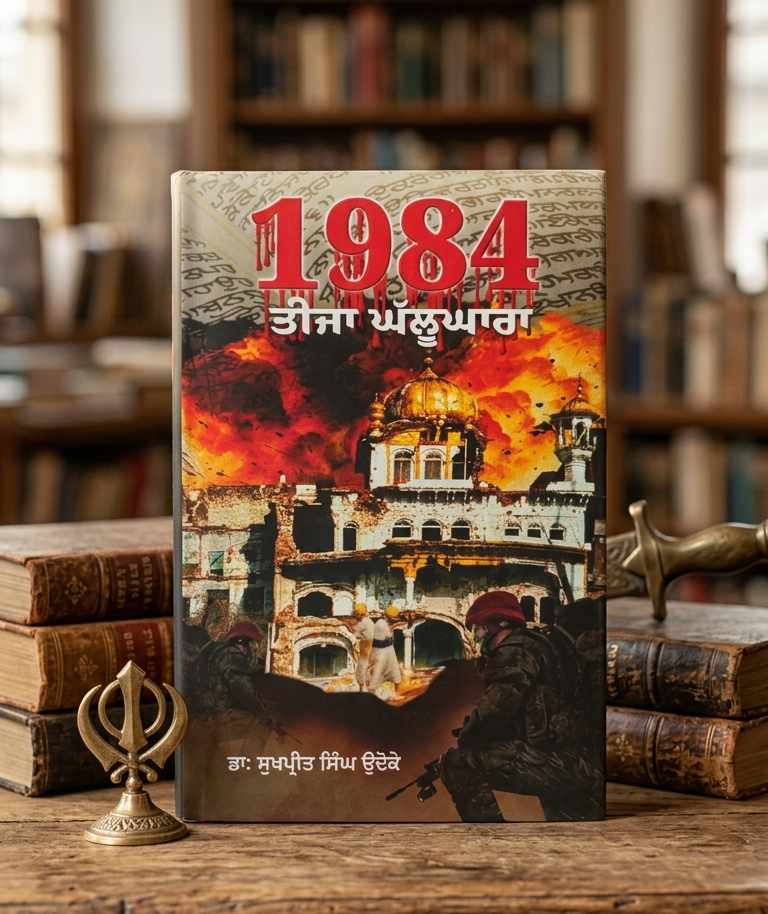
1984 ਤੀਜਾ ਘੱਲੂਘਾਰਾ (1984 Teeja Ghalughara) – A Painful Chapter of Sikh History, Trauma & Collective Memory
1984 Teeja Ghalughara – Understanding the Pain, Violence & Historical Impact of 1984
1984 Teeja Ghalughara is a deeply emotional and historically significant Punjabi book that explores one of the darkest chapters in modern Sikh history. 1984 Teeja Ghalughara is not only a historical account—1984 Teeja Ghalughara becomes a reflection on pain, violence, identity, survival, and collective trauma experienced by the Sikh community during 1984.
At the center of 1984 Teeja Ghalughara are the tragic events connected with Operation Blue Star, the military action at Sri Harmandir Sahib, and the anti-Sikh violence that followed later in 1984. 1984 Teeja Ghalughara captures the emotional suffering, fear, displacement, and destruction that deeply affected Punjab and Sikhs across India and around the world.
The Historical Core of 1984 Teeja Ghalughara
At its heart, 1984 Teeja Ghalughara represents a turning point in Sikh history and modern Indian politics. 1984 Teeja Ghalughara explains how political tensions, social unrest, and violence created an atmosphere of fear and emotional devastation.
In 1984 Teeja Ghalughara, readers explore:
Operation Blue Star and its aftermath
The attack on Sri Harmandir Sahib
Anti-Sikh violence and killings
Fear, displacement, and emotional trauma
The long-term impact on Sikh identity
1984 Teeja Ghalughara highlights how the events of 1984 changed Punjab and Sikh consciousness forever.
Emotional Trauma in 1984 Teeja Ghalughara
One of the strongest aspects of 1984 Teeja Ghalughara is its emotional intensity. 1984 Teeja Ghalughara reflects the grief, fear, helplessness, and pain experienced by ordinary Sikh families during those tragic times.
Through 1984 Teeja Ghalughara, readers understand:
The emotional attachment to Sri Harmandir Sahib
The fear and uncertainty during 1984
The suffering of innocent people
The lasting emotional scars carried by survivors
1984 Teeja Ghalughara becomes more than political history—it becomes a story of human pain and collective memory.
1984 Teeja Ghalughara and Sikh Identity
1984 Teeja Ghalughara strongly revolves around Sikh identity and historical memory. 1984 Teeja Ghalughara explains how the events of 1984 deeply influenced Sikh emotions, political thought, and community consciousness.
In 1984 Teeja Ghalughara, Sikh identity includes:
Spiritual connection with Sikh institutions
Emotional and historical memory
Faith during difficult times
Resilience and survival
1984 Teeja Ghalughara reflects how trauma and memory become part of collective identity.
Violence and Political Conflict in 1984 Teeja Ghalughara
Another important dimension of 1984 Teeja Ghalughara is political violence and conflict. 1984 Teeja Ghalughara discusses the breakdown of trust, the atmosphere of fear, and the consequences of violence.
1984 Teeja Ghalughara explores:
Political instability
Religious and social tension
Human suffering during conflict
The consequences of hatred and violence
1984 Teeja Ghalughara encourages readers to reflect on the human cost of political conflict.
Themes Explored in 1984 Teeja Ghalughara
1984 Teeja Ghalughara explores several powerful themes:
Sikh Identity
1984 Teeja Ghalughara reflects spiritual and emotional connection with faith.
Violence and Trauma
1984 Teeja Ghalughara discusses grief, suffering, and loss.
Historical Memory
1984 Teeja Ghalughara highlights remembrance and collective pain.
Faith and Resilience
1984 Teeja Ghalughara reflects survival and emotional strength.
Political Conflict
1984 Teeja Ghalughara examines unrest and social instability.
Writing Style of 1984 Teeja Ghalughara
The writing style of 1984 Teeja Ghalughara is emotional, detailed, and historically intense. 1984 Teeja Ghalughara combines historical facts with emotional storytelling, making the narrative deeply moving and thought-provoking.
Features of 1984 Teeja Ghalughara include:
Emotional narration
Historical depth
Political insight
Human-centered storytelling
Strong connection with Sikh history
1984 Teeja Ghalughara feels both informative and emotionally powerful.
Why 1984 Teeja Ghalughara Feels So Powerful
1984 Teeja Ghalughara feels powerful because 1984 Teeja Ghalughara discusses real historical pain that continues to shape Sikh memory and Punjab’s modern history.
Real historical tragedy
Emotional and spiritual depth
Human suffering and resilience
Strong historical relevance
1984 Teeja Ghalughara leaves a lasting emotional impact on readers.
Importance of 1984 Teeja Ghalughara Today
Even today, 1984 Teeja Ghalughara remains highly relevant because 1984 Teeja Ghalughara helps readers understand the roots of many emotional, social, and political discussions connected with Sikh history and Punjab.
1984 Teeja Ghalughara encourages:
Historical awareness
Reflection on violence and identity
Respect for collective memory
Understanding of Punjab’s modern history
Who Should Read 1984 Teeja Ghalughara
1984 Teeja Ghalughara is ideal for:
Readers interested in Sikh history
Punjabi literature readers
Students of political history
Researchers exploring 1984 events
Readers interested in trauma and historical memory
Why 1984 Teeja Ghalughara Is Worth Reading
Important historical perspective
Emotional and political depth
Strong connection with Sikh history
Powerful human stories
Valuable insight into Punjab’s modern past
Final Thoughts
1984 Teeja Ghalughara is more than a historical account—1984 Teeja Ghalughara is a reflection on pain, identity, faith, violence, and remembrance. 1984 Teeja Ghalughara helps readers understand one of the most emotional and tragic chapters in Sikh history while encouraging deeper reflection on humanity, conflict, and collective memory.