


Kalam Kitaab
ਸੰਭੋਗ ਤੋਂ ਸਮਾਧੀ ਵੱਲ (Sambhog Ton Samadhi Vall) Book – Osho
ਸੰਭੋਗ ਤੋਂ ਸਮਾਧੀ ਵੱਲ (Sambhog Ton Samadhi Vall) Book – Osho
Couldn't load pickup availability
Share
"ਸੰਭੋਗ ਤੋਂ ਸਮਾਧੀ ਵੱਲ" is Osho's most revolutionary and controversial Punjabi/Hindi discourse series (often published in hard cover editions), where he fearlessly explores sexuality ("sambhog") as a sacred energy and the natural bridge to super consciousness ("samadhi"). With profound insight and no moral judgment, Osho transforms the taboo subject of sex into a spiritual path of celebration, awareness, and ultimate transcendence.
"ਸੰਭੋਗ ਤੋਂ ਸਮਾਧੀ ਵੱਲ" ਓਸ਼ੋ ਦੀ ਸਭ ਤੋਂ ਕ੍ਰਾਂਤੀਕਾਰੀ ਅਤੇ ਵਿਵਾਦਿਤ ਗੱਲਬਾਤ ਸੀਰੀਜ਼ ਹੈ (ਅਕਸਰ ਹਾਰਡ ਕਵਰ ਐਡੀਸ਼ਨ ਵਿੱਚ ਛਪਦੀ ਹੈ), ਜਿੱਥੇ ਉਹ ਨਿਡਰਤਾ ਨਾਲ ਜਿਨਸੀਅਤ ("ਸੰਭੋਗ") ਨੂੰ ਪਵਿੱਤਰ ਊਰਜਾ ਵਜੋਂ ਅਤੇ ਸੁਪਰ-ਚੇਤਨਤਾ ("ਸਮਾਧੀ") ਵੱਲ ਦਾ ਕੁਦਰਤੀ ਪੁਲ ਵਜੋਂ ਖੋਜਦੇ ਹਨ। ਡੂੰਘੀ ਸੂਝ ਅਤੇ ਕਿਸੇ ਨੈਤਿਕ ਜਜ਼ਬੇ ਤੋਂ ਰਹਿਤ ਹੋ ਕੇ ਓਸ਼ੋ ਜਿਨਸ ਨੂੰ ਰਸਮੀ ਟੈਬੂ ਤੋਂ ਬਾਹਰ ਕੱਢ ਕੇ ਰੂਹਾਨੀ ਰਾਹ – ਖੁਸ਼ੀ, ਜਾਗਰੂਕਤਾ ਅਤੇ ਅੰਤਿਮ ਟਰਾਂਸੈਂਡੈਂਸ – ਵਿੱਚ ਬਦਲ ਦਿੰਦੇ ਹਨ।
Book Title: ਸੰਭੋਗ ਤੋਂ ਸਮਾਧੀ ਵੱਲ (Sambhog Ton Samadhi Vall) – Hard Cover Edition
Author: Osho
Language: Punjabi (Gurmukhi) / Hindi (Original)
Genre: Spiritual Discourses (ਰੂਹਾਨੀ ਗੱਲਬਾਤ)
Available at: Kalam Kitaab (Hard cover versions are premium collector's editions with durable binding, better paper quality, and often larger font size)


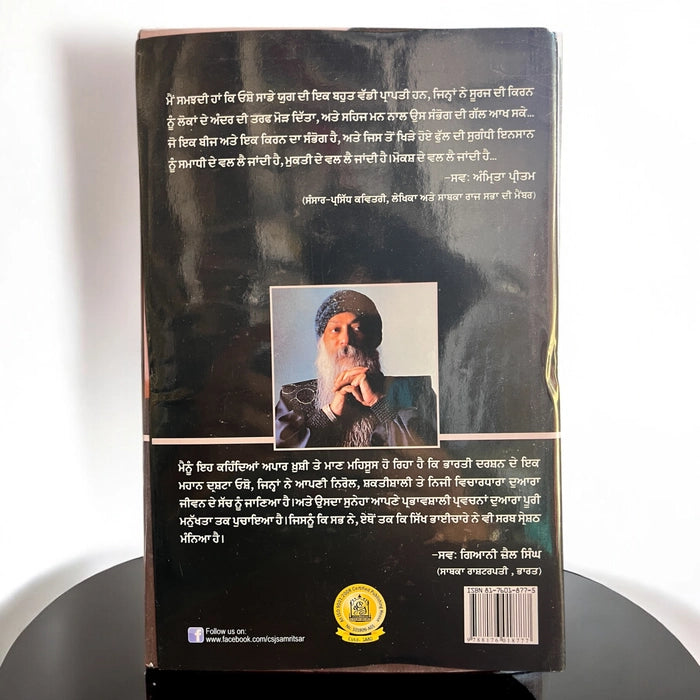
Sambhog Ton Samadhi Vall Book: Osho's Boldest Revolution in Spirituality
"Sambhog Ton Samadhi Vall book" (hard cover edition) is Osho's most famous, most controversial, and arguably most transformative work in Punjabi/Hindi spiritual literature. First delivered as a series of talks in Mumbai in 1968 (and later published in book form), it caused massive uproar in conservative Indian society – yet became one of the bestselling and most influential Osho titles worldwide. The hard cover versions (often 300–400 pages, thick paper, elegant dust jacket) are especially sought after by collectors and serious readers for their premium quality and lasting durability.
Osho (1931–1990) fearlessly declares that sexuality is not a sin to be suppressed but a sacred energy to be understood, celebrated, and transcended. The title itself – "From Sex to Superconsciousness" – is a direct challenge to centuries of religious repression. Osho argues that repressing sex creates perversion, neurosis, and spiritual blockage, while accepting and witnessing it with awareness leads to natural growth toward samadhi (enlightenment).
This book is not pornography or vulgarity – it is a spiritual manifesto that treats sex as the lowest rung of the same ladder that leads to the highest consciousness.
Detailed Overview of the Content
The book is based on 5–7 major discourses (depending on edition), each building on the previous:
- Sex as Natural Energy
Osho begins by saying sex is as natural as breathing or eating – it is life-energy (prana) in its raw form. Suppression creates guilt and division; celebration with awareness purifies it. - From Lust to Love
He distinguishes between animalistic lust and conscious love – when sex is mechanical, it drains energy; when it is meditative and loving, it becomes a doorway to higher states. - Tantra: The Science of Transformation
Osho introduces Tantra (not as sexual indulgence but as a scientific method) – using sexual energy consciously to rise above it, transforming it into love, compassion, and finally samadhi. - Religion's Fear of Sex
He critiques how religions have condemned sex, creating guilt and hypocrisy. Osho says true religion embraces life fully – including sex – and helps transcend it naturally. - Awareness in Sex
The core practice: be fully present during sex – witness every sensation without judgment. This witnessing turns sex into meditation, leading to orgasmic states of no-mind and samadhi. - Beyond Sex
Once sex is understood and lived consciously, it loses its grip – the energy naturally rises to higher centers (love, compassion, creativity, enlightenment).
Osho uses stories from Tantra, Kabir, Buddha, and everyday life to illustrate his points – always with humor, compassion, and zero judgment.
Osho's Revolutionary Vision
Osho declares:
- Sex is the starting point of the same energy that becomes prayer.
- Suppression creates perverts; acceptance creates saints.
- The new man must live sex fully and consciously to go beyond it.
- Samadhi is not against sex – it is the flowering of the same life-force.
He calls for a "total revolution" – accept the body, celebrate sex, and use it as fuel for spiritual growth.
Osho's Style in the Book
Osho's language in "Sambhog Ton Samadhi Vall" is bold, poetic, humorous, and absolutely fearless – he speaks like a surgeon cutting through centuries of guilt with love. The Punjabi translation keeps his fiery clarity, warmth, and provocative power, making the book feel intimate yet explosive.
He laughs at society's hypocrisy, cries for repressed humanity, and invites readers to live without shame.
Cultural and Historical Impact
When first published, the book caused massive controversy – Osho was attacked, books were burned, and he was called immoral. Yet it became a bestseller and changed millions of lives – especially young people and couples seeking honest spirituality.
In Punjabi literature, it remains one of the most discussed and influential spiritual works on sexuality and transcendence.
Why Sambhog Ton Samadhi Vall Resonates Today
In an era of sexual confusion, repression, porn addiction, and shallow relationships, Osho's message is more relevant than ever:
- Accept sex without guilt.
- Live it consciously.
- Let it become a ladder to higher consciousness.
Hard cover editions are especially prized – thick pages, elegant binding, dust jacket – perfect for collectors and repeated reading.
Revolutionary, compassionate, and eternally liberating, "Sambhog Ton Samadhi Vall" is essential reading – Osho's boldest declaration that sex is not the enemy of spirituality; it is the beginning of the same journey toward samadhi.
Fearless, poetic, and life-changing, this book remains one of Osho's greatest gifts to humanity – a call to live fully, love totally, and awaken completely.