

Kalam Kitaab
ਸ਼ੂਨ੍ਯ ਤੋਂ ਪਾਰ (Shunya Ton Paar) Book– Osho
ਸ਼ੂਨ੍ਯ ਤੋਂ ਪਾਰ (Shunya Ton Paar) Book– Osho
Couldn't load pickup availability
Share
"ਸ਼ੂਨ੍ਯ ਤੋਂ ਪਾਰ" is Osho's most profound and fearless Punjabi discourse series on crossing beyond emptiness ("shunya ton paar") – moving through the great void of no-mind, ego-death, and absolute nothingness to the other shore of pure being, infinite consciousness, and ultimate reality. With intense clarity, poetic silence, and radical insight, Osho guides the seeker to face the terrifying beauty of shunya (emptiness) and leap beyond it into the formless divine.
"ਸ਼ੂਨ੍ਯ ਤੋਂ ਪਾਰ" ਓਸ਼ੋ ਦੀ ਸਭ ਤੋਂ ਗਹਿਰੀ ਅਤੇ ਨਿਡਰ ਪੰਜਾਬੀ ਗੱਲਬਾਤ ਸੀਰੀਜ਼ ਹੈ ਜੋ ਖਾਲੀਪਣ ("ਸ਼ੂਨ੍ਯ") ਤੋਂ ਪਾਰ ਜਾਣ ਬਾਰੇ ਹੈ – ਨੋ-ਮਾਇੰਡ, ਅਹੰਕਾਰ-ਮੌਤ ਅਤੇ ਪੂਰਨ ਖਾਲੀਪਣ ਦੇ ਵੱਡੇ ਖਾਲੀ ਰਾਹੀਂ ਸ਼ੁੱਧ ਹੋਂਦ, ਅਸੀਮ ਚੇਤਨਤਾ ਅਤੇ ਅੰਤਿਮ ਅਸਲੀਅਤ ਵੱਲ ਪਹੁੰਚਣਾ। ਤੀਬਰ ਸਪੱਸ਼ਟਤਾ, ਕਾਵਿ-ਚੁੱਪ ਅਤੇ ਕ੍ਰਾਂਤੀਕਾਰੀ ਸੂਝ ਨਾਲ ਓਸ਼ੋ ਖੋਜੀ ਨੂੰ ਸ਼ੂਨ੍ਯ ਦੀ ਭਿਆਨਕ ਸੁੰਦਰਤਾ ਦਾ ਸਾਹਮਣਾ ਕਰਨ ਅਤੇ ਉਸ ਤੋਂ ਪਾਰ ਛਾਲ ਮਾਰ ਕੇ ਰੂਪ-ਰਹਿਤ ਰੱਬੀ ਅਸਲੀਅਤ ਵਿੱਚ ਪਹੁੰਚਣ ਲਈ ਮਾਰਗਦਰਸ਼ਨ ਦਿੰਦੇ ਹਨ।
Book Title: ਸ਼ੂਨ੍ਯ ਤੋਂ ਪਾਰ (Shunya Ton Paar)
Author: Osho
Language: Punjabi (Gurmukhi)
Genre: Spiritual Discourses (ਰੂਹਾਨੀ ਗੱਲਬਾਤ / ਅਦਵੈਤ-ਸ਼ੂਨ੍ਯ ਸੰਬੰਧੀ)
Available at: Kalam Kitaab
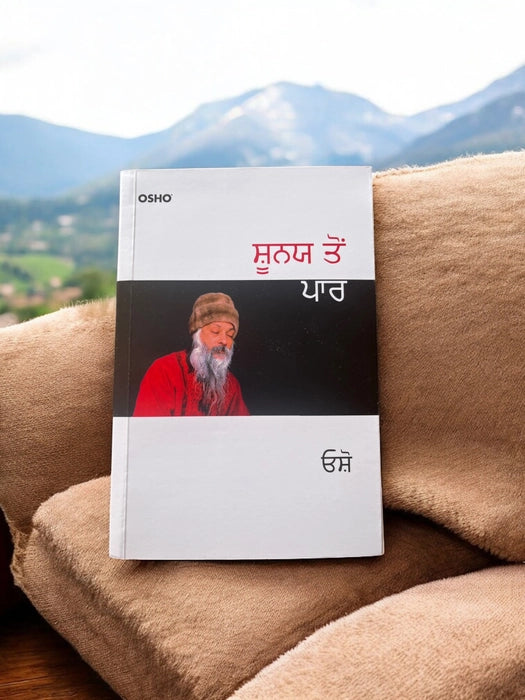
Shunya Ton Paar Book: Osho's Fearless Journey Beyond Emptiness
"Shunya Ton Paar book" is one of Osho's most advanced, intense, and spiritually ultimate series of Punjabi discourses – a fearless exploration of the great void ("shunya") and the leap beyond it ("ton paar") into the formless, infinite reality. Osho (1931–1990), the mystic who spoke with absolute directness about the final stages of awakening, uses "shunya" (emptiness, void, zero) as the pivotal point: the terrifying yet liberating moment when the ego, mind, and all concepts dissolve into nothingness – and the even more radical leap beyond that nothingness into pure being, where there is no experiencer, no experience, only is-ness.
This series is not for beginners – it is for those who have already tasted silence and are ready to face the ultimate paradox: emptiness is the door, but the door must also be crossed. The "Shunya Ton Paar book" is Osho's invitation to die completely – not physically, but to every last trace of "I" – so that what remains is the eternal, unborn, undying truth.
Compiled from live discourses (originally in Hindi and translated into Punjabi), this book is treasured by advanced meditators and those on the edge of final awakening. It resonates deeply in Punjab – land of Guru Nanak's "shunya" (nirankar – formless) and Kabir's plunge into the void – yet Osho takes it to the absolute edge.
Osho's Core Message: Cross Beyond Emptiness
Osho in the "Shunya Ton Paar book" reveals the ultimate paradox:
- Shunya Is Not Nothingness – Emptiness is not absence – it is fullness without form, the womb of existence, the source of all creation.
- The Terror of Shunya – The mind fears shunya because it means death of "I" – total annihilation of identity, memory, desire.
- Leap Beyond Shunya – The other shore is not "something" after emptiness – it is the disappearance of the one who perceives emptiness. No experiencer remains.
- No-Mind to No-No-Mind – First drop the mind (thoughts); then drop even the witness of no-mind – only pure is-ness remains.
- Beyond All Duality – There is no "this shore" and "that shore" – only the leaping, only the crossing, only the eternal now.
Osho says: "Shunya is the door – but you must disappear before you can cross it. When there is no one left to cross, the crossing happens."
Key Insights and Discourses in Shunya Ton Paar Book
The Terror and Beauty of Emptiness
Osho describes the moment when everything falls away – no thought, no feeling, no "I" – only vast, terrifying silence. Yet in that terror lies infinite peace.
Death of the Witness
The final barrier is the one who watches emptiness – drop even the watcher, and what remains is pure existence.
The Leap Without a Leaper
Osho says: "There is no method to cross shunya – because any method needs a doer. Simply disappear."
Silence Beyond Silence
After shunya, there is a silence that cannot be described – not absence of sound, but absence of the one who hears.
Living from the Other Shore
The awakened one lives without center – no "me," no "mine," no inside/outside – only pure flow of existence.
Osho's Style and Language in the Book
Osho's discourses in the "Shunya Ton Paar book" are unusually silent, intense, and almost wordless at times – speaking from the other shore with minimal words, long pauses, and sudden explosions of clarity. The Punjabi translation preserves his profound stillness, poetic precision, and rare moments of laughter – making the talks feel like a direct transmission of emptiness itself.
He mixes Zen koans, Kabir's dohas, Sufi silence, and Sikh "nirankar" to point to the unnameable.
Spiritual and Cultural Significance of the Book
"Shunya Ton Paar book" resonates powerfully in Punjab – where "shunya" (nirankar, formless) is central in Sikhism and Sufi thought. Osho takes this ancient concept to its absolute limit – beyond even the experience of shunya – into the shoreless shore.
Popular among advanced meditators and those on the edge of final awakening, it inspires the ultimate surrender and disappearance.
Osho's Legacy
Osho spoke extensively on shunya and no-mind – from Zen to Sikhism – always pointing to the final dissolution. The "Shunya Ton Paar book" is his clearest teaching on the leap beyond emptiness – where even the meditator vanishes.
His discourses continue guiding seekers to the absolute truth.
Why Shunya Ton Paar Resonates Today
In a world full of noise, identity, and endless seeking, the "Shunya Ton Paar book" by Osho offers the ultimate freedom: drop everything – even the one who drops – and discover there was never anyone to drop. It invites the final leap beyond shunya into the formless infinite.
Intense, silent, and eternally liberating, "Shunya Ton Paar" is essential reading – Osho's most radical invitation to disappear completely and be completely.
Profound, fearless, and shoreless, the "Shunya Ton Paar book" affirms Osho's genius in guiding seekers to the point where there is no point – only infinite is-ness.