


Kalam Kitaab
ਮੋਹ ਮਾਇਆ (Moh Maya) Book – Dalip Kaur Tiwana
ਮੋਹ ਮਾਇਆ (Moh Maya) Book – Dalip Kaur Tiwana
Couldn't load pickup availability
Share
"Moh Maaya" is Dalip Kaur Tiwana's profound Punjabi novel that delves into the illusions of attachment ("moh") and worldly desires ("maaya"). With deep psychological insight and sensitive portrayal, it explores how human bonds, family ties, and material pursuits create both beauty and suffering in rural Punjab.
"ਮੋਹ ਮਾਇਆ" ਦਲੀਪ ਕੌਰ ਟਿਵਾਣਾ ਦਾ ਡੂੰਘਾ ਪੰਜਾਬੀ ਨਾਵਲ ਹੈ ਜੋ ਮੋਹ (ਅਟੈਚਮੈਂਟ) ਅਤੇ ਮਾਇਆ (ਸੰਸਾਰੀ ਇੱਛਾਵਾਂ) ਦੇ ਭਰਮ ਨੂੰ ਖੋਜਦਾ ਹੈ। ਮਨੋਵਿਗਿਆਨਕ ਸੂਝ ਅਤੇ ਸੰਵੇਦਨਸ਼ੀਲ ਚਿਤਰਨ ਨਾਲ ਇਹ ਪੇਂਡੂ ਪੰਜਾਬ ਵਿੱਚ ਮਨੁੱਖੀ ਬੰਧਨਾਂ, ਪਰਿਵਾਰਕ ਰਿਸ਼ਤਿਆਂ ਅਤੇ ਸੰਸਾਰੀ ਲਾਲਚ ਦੇ ਸੁੰਦਰਤਾ ਅਤੇ ਦੁੱਖ ਨੂੰ ਬਿਆਨ ਕਰਦਾ ਹੈ।
Book Title: ਮੋਹ ਮਾਇਆ (Moh Maya)
Author: Dalip Kaur Tiwana
Language: Punjabi (Gurmukhi)
Genre: Novel (Psychological/Social)
Available at: Kalam Kitaab

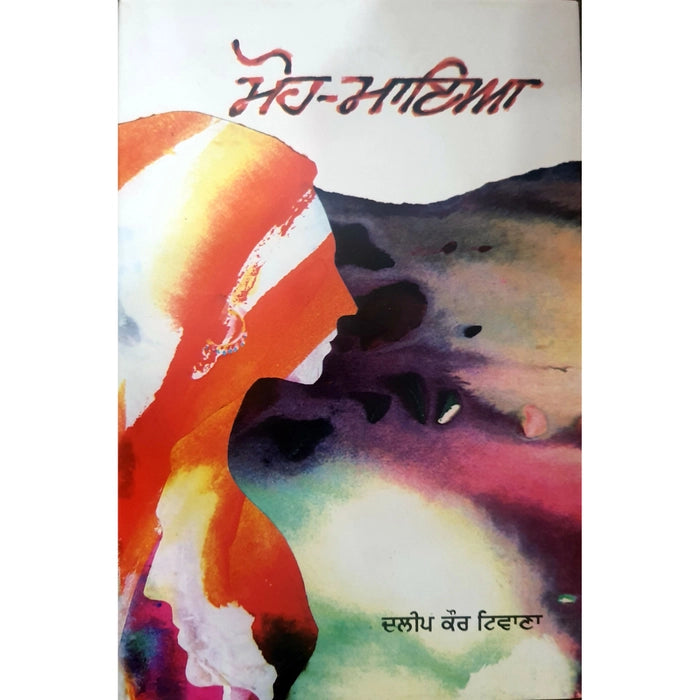
Moh Maaya Book: Dalip Kaur Tiwana's Exploration of Attachment and Illusion
"Moh Maaya book," published in the 1970s and one of Dalip Kaur Tiwana's most introspective novels, is a masterful examination of human attachments ("moh") and the illusions of worldly desires ("maaya") in rural Punjab. Dalip Kaur Tiwana (1935–2020), a pioneering female novelist in Punjabi literature and recipient of the Sahitya Akademi Award and Padma Shri, uses her signature empathy and psychological depth to portray how love, family, and material pursuits both nourish and imprison the soul. The "Moh Maaya book" explores the tension between emotional bonds and spiritual detachment, showing how attachments create beauty yet lead to suffering when they become obsessive.
With lyrical prose and nuanced characters, the "Moh Maaya book" stands as a profound reflection on the human condition, blending philosophical inquiry with everyday rural life, making it a timeless work in Punjabi literature.
Plot and Central Narrative in the Book
The "Moh Maaya book" centers on a family in a Punjabi village, focusing on a central character (often a woman or matriarch) whose life is shaped by deep attachments – to children, husband, land, or past memories. Tiwana weaves a narrative where these bonds, initially sources of joy, gradually become chains when faced with change, loss, or betrayal.
Key events include family conflicts over inheritance, generational differences, romantic disappointments, and moments of realization where characters confront the illusory nature of their desires. The novel spans years, showing how "moh" (attachment) and "maaya" (illusion) create emotional storms beneath the calm surface of village life.
Tiwana's character-driven approach builds quiet tension through daily routines – conversations, rituals, small betrayals – revealing how attachments shape destiny.
Key Themes in Moh Maaya Book
Attachment (Moh) and Its Dual Nature
Central to the "Moh Maaya book" is the exploration of love's beauty and pain – how deep bonds give meaning yet cause suffering when broken.
Illusion of Worldly Desires (Maaya)
Tiwana draws from spiritual traditions to show how material pursuits and ego-driven attachments create false realities.
Family and Generational Bonds
The novel depicts complex family dynamics – parent-child relationships, sibling rivalries, and in-law tensions – where love coexists with control.
Women's Inner World
Tiwana's feminine perspective highlights women's silent struggles with attachment, sacrifice, and self-realization in traditional society.
Rural Punjab's Social Fabric
Vivid portrayal of village life – joint families, land disputes, traditions – grounds the emotional narrative.
Tiwana's Writing Style in the Book
Dalip Kaur Tiwana's prose in the "Moh Maaya book" is lyrical, introspective Punjabi – simple yet rich with emotional nuance. Her feminine lens brings depth to women's inner monologues and unspoken feelings.
Descriptive passages of rural landscapes – fields, homes, seasons – mirror inner emotional currents, creating atmospheric resonance.
Cultural and Literary Significance of the Book
"Moh Maaya book" is a milestone in Punjabi feminist and psychological literature, alongside Tiwana's "Chidiyan Da Maran" and "Bhaujal." It gave voice to rural women's emotional realities often overlooked.
Frequently studied and reprinted, it contributes to understanding attachment, family, and spirituality in Punjabi society.
Dalip Kaur Tiwana's Legacy
Tiwana wrote over 50 novels and stories focusing on women's issues, rural life, and Partition. The "Moh Maaya book" exemplifies her empathetic humanism and literary craft.
Her awards and pioneering role elevated women's voices in Punjabi literature.
Why Moh Maaya Resonates Today
In a world of changing relationships and material pursuits, the "Moh Maaya book" by Dalip Kaur Tiwana offers timeless reflection on attachment's beauty and danger. It validates emotional struggles while encouraging detachment and self-awareness.
Poignant, philosophical, and profoundly moving, "Moh Maaya" is essential reading – a beautiful exploration of how love and illusion shape human destiny.
Lyrical, empathetic, and enduringly relevant, the "Moh Maaya book" affirms Tiwana's mastery in capturing the human heart's deepest contradictions with grace and wisdom.