


Kalam Kitaab
ਮਕਤੂਬ (Maktub) Book Punjabi edition– Paulo Coelho
ਮਕਤੂਬ (Maktub) Book Punjabi edition– Paulo Coelho
Couldn't load pickup availability
Share
"ਮਕਤੂਬ" ਪਾਓਲੋ ਕੋਇਲਹੋ ਦਾ ਇੱਕ ਸੁੰਦਰ ਅਤੇ ਪ੍ਰੇਰਨਾਦਾਇਕ ਕਹਾਣੀਆਂ ਦਾ ਸੰਗ੍ਰਹਿ ਹੈ ਜੋ ਭਾਗ, ਨਿਸ਼ਾਨੀਆਂ, ਰੂਹਾਨੀ ਯਾਤਰਾ ਅਤੇ ਜੀਵਨ ਦੇ ਰਹੱਸਾਂ ਨੂੰ ਛੋਟੀਆਂ-ਛੋਟੀਆਂ ਪਰ ਡੂੰਘੀਆਂ ਕਹਾਣੀਆਂ ਰਾਹੀਂ ਬਿਆਨ ਕਰਦਾ ਹੈ। "ਮਕਤੂਬ" (ਅਰਬੀ ਵਿੱਚ "ਲਿਖਿਆ ਹੋਇਆ ਹੈ") ਦਾ ਅਰਥ ਹੈ ਕਿ ਜੋ ਹੋਣਾ ਹੈ ਸੋ ਹੋ ਜਾਵੇਗਾ – ਇਹ ਕਿਤਾਬ ਤੁਹਾਨੂੰ ਭਰੋਸਾ, ਸਮਰਪਣ ਅਤੇ ਜੀਵਨ ਦੇ ਨਿਸ਼ਾਨੀਆਂ ਨੂੰ ਪਛਾਣਨਾ ਸਿਖਾਉਂਦੀ ਹੈ। "ਦ ਐਲਕੈਮਿਸਟ" ਦੇ ਪ੍ਰਸ਼ੰਸਕਾਂ ਲਈ ਇਹ ਇੱਕ ਸੰਗਤ ਕਿਤਾਬ ਹੈ ਜੋ ਰੋਜ਼ਾਨਾ ਪ੍ਰੇਰਨਾ ਅਤੇ ਰੂਹਾਨੀ ਸ਼ਾਂਤੀ ਦਿੰਦੀ ਹੈ।
"Maktub" by Paulo Coelho is a beautiful and deeply inspirational collection of short stories, parables, and reflections that explore fate, signs from the universe, spiritual journeys, surrender, and the hidden meanings of life. "Maktub" (Arabic for "It is written") reminds us that what is meant to happen will happen – a perfect companion to The Alchemist, offering daily wisdom, hope, and gentle spiritual guidance.
Book Title: ਮਕਤੂਬ (Maktub)
Author: ਪਾਓਲੋ ਕੋਇਲਹੋ (Paulo Coelho)
Language: Punjabi (Gurmukhi) – Available in translated edition (original Portuguese/English also stocked)
Genre: Inspirational Stories / Spiritual Parables / Self-Help (ਪ੍ਰੇਰਨਾਦਾਇਕ ਕਹਾਣੀਆਂ / ਰੂਹਾਨੀ ਕਥਾਵਾਂ / ਸੈਲਫ-ਹੈਲਪ)
Original Publication: 1994 (Portuguese columns); English edition 2024 by HarperCollins
Available at: Kalam Kitaab


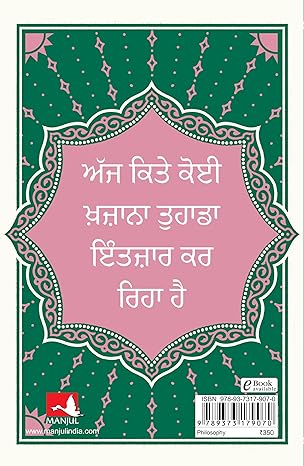
Maktub Book: Paulo Coelho's Collection of Fate, Signs & Spiritual Wisdom
"Maktub book" is a timeless collection of short, fable-like stories and reflections by Paulo Coelho – originally written as daily columns for the Brazilian newspaper Folha de São Paulo in the 1990s and later compiled into book form. The English translation (by Margaret Jull Costa) was released worldwide in 2024, and Punjabi readers can now enjoy it in translated editions or original English copies stocked at Kalam Kitaab.
Each piece is brief (1–3 pages), yet carries profound wisdom – drawing from Christianity, Islam, Buddhism, Judaism, Hinduism, Sufi tales, and Coelho's own life experiences. The central theme is "Maktub" – the Arabic belief that everything is already written by destiny, but we still have the power to follow signs, trust the journey, and live with faith and openness.
Many stories feel like modern parables or Sufi/Zen tales – simple on the surface but deep in meaning. Readers of The Alchemist will find this book a perfect companion, expanding the ideas of Personal Legend, omens, and surrender to the universe.
Key Themes in Maktub Book
Fate & Divine Signs ("Maktub")
Life is already written – but we must learn to read the signs the universe sends.
Spiritual Reflections
Short stories on faith, surrender, healing, forgiveness, love, and inner transformation.
Cross-Cultural Wisdom
Insights from multiple religions and mystic traditions – showing truth is universal.
Everyday Miracles
Finding magic and meaning in ordinary moments, dreams, coincidences, and quiet encounters.
Hope & Resilience
Even in pain or uncertainty, there is always a reason, a lesson, or a path forward.
Paulo Coelho's Writing Style in the Book
Coelho's style is clear, poetic, and gentle – each story is short, fable-like, and ends with a moment of insight or open-ended wonder. No heavy philosophy – just quiet, reflective tales that stay with you long after reading.
In Punjabi translation, the language remains simple and soulful – perfect for daily reading, meditation, or sharing with loved ones.
Why Maktub Resonates Today
In a fast, uncertain world full of anxiety and overthinking, Paulo Coelho's "Maktub" offers gentle reminders: trust the journey, look for signs, surrender to what is written, and live with faith and openness. Each story is a small dose of hope, wisdom, and peace – ideal for anyone seeking spiritual clarity or daily inspiration.
Uplifting, wise, and eternally comforting, "Maktub" is essential reading – Paulo Coelho's quiet masterpiece that speaks directly to the soul.
Reflective, beautiful, and full of light, this collection affirms Coelho's gift for turning simple stories into profound spiritual companions.