

Kalam Kitaab
ਪੀਵਤ ਰਾਮਰਸ ਲਾਗੀ ਖੁਮਾਰੀ (Peevat Ramras Lagi Khumari) Book – Osho
ਪੀਵਤ ਰਾਮਰਸ ਲਾਗੀ ਖੁਮਾਰੀ (Peevat Ramras Lagi Khumari) Book – Osho
Couldn't load pickup availability
Share
"ਪੀਵਤ ਰਾਮਰਸ ਲਾਗੀ ਖੁਮਾਰੀ" is Osho's intensely devotional and intoxicating Punjabi discourse series on the divine drunkenness ("khumari") that arises from drinking the nectar of Ram ("peevat ramras lagi"). Inspired by Meera Bai's ecstatic bhajans and bhakti poetry, Osho explores the blissful addiction to Ram – the inner divine essence – where love, surrender, and constant remembrance create a permanent state of spiritual intoxication, dissolving ego and awakening pure ecstasy.
"ਪੀਵਤ ਰਾਮਰਸ ਲਾਗੀ ਖੁਮਾਰੀ" ਓਸ਼ੋ ਦੀਆਂ ਭਗਤੀ ਭਰੀਆਂ ਅਤੇ ਨਸ਼ੇ ਵਰਗੀਆਂ ਪੰਜਾਬੀ ਗੱਲਬਾਤਾਂ ਹਨ ਜੋ ਰਾਮ ਦੇ ਅੰਮ੍ਰਿਤ ਨੂੰ ਪੀਣ ("ਪੀਵਤ ਰਾਮਰਸ ਲਾਗੀ") ਤੋਂ ਉੱਠਣ ਵਾਲੀ ਰੱਬੀ ਖੁਮਾਰੀ ਬਾਰੇ ਹਨ। ਮੀਰਾਂ ਬਾਈ ਦੇ ਅਨੰਦਮਈ ਭਜਨਾਂ ਅਤੇ ਭਗਤੀ ਕਵਿਤਾ ਤੋਂ ਪ੍ਰੇਰਿਤ ਹੋ ਕੇ ਓਸ਼ੋ ਰਾਮ – ਅੰਦਰਲੇ ਰੱਬੀ ਸਾਰ – ਨਾਲ ਪਿਆਰ, ਸਮਰਪਣ ਅਤੇ ਨਿਰੰਤਰ ਸਿਮਰਨ ਰਾਹੀਂ ਸਥਾਈ ਰੂਹਾਨੀ ਨਸ਼ੇ ਦੀ ਹਾਲਤ ਨੂੰ ਖੋਜਦੇ ਹਨ, ਜੋ ਅਹੰਕਾਰ ਨੂੰ ਘੋਲ ਕੇ ਸ਼ੁੱਧ ਅਨੰਦ ਵਿੱਚ ਜਗਾਉਂਦੀ ਹੈ।
Book Title: ਪੀਵਤ ਰਾਮਰਸ ਲਾਗੀ ਖੁਮਾਰੀ (Peevat Ramras Lagi Khumari)
Author: Osho
Language: Punjabi (Gurmukhi)
Genre: Spiritual Discourses (ਰੂਹਾਨੀ ਗੱਲਬਾਤ / ਭਗਤੀ-ਰਹੱਸਮਈ)
Available at: Kalam Kitaab
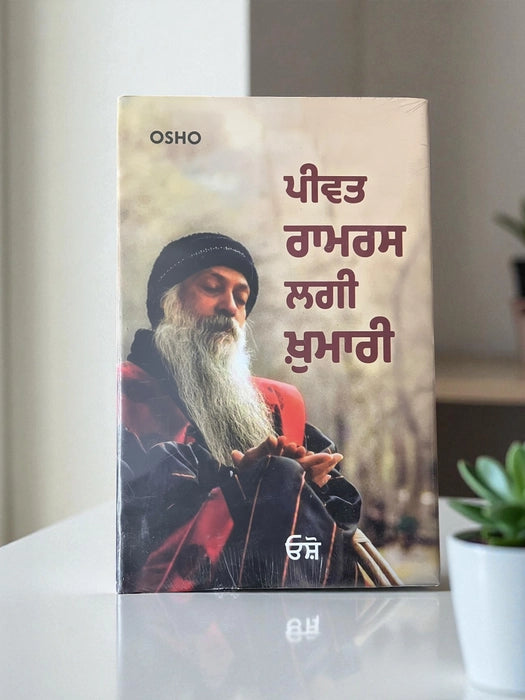
Peevat Ramras Lagi Khumari Book: Osho's Celebration of Divine Intoxication
"Peevat Ramras Lagi Khumari book" is one of Osho's most passionate, heart-melting, and spiritually intoxicating series of Punjabi discourses, centered on the ecstatic state of divine drunkenness ("khumari") that arises from drinking the nectar of Ram ("peevat ramras lagi"). Osho (1931–1990), the mystic who spoke with overflowing love for bhakti saints, takes this line (popular in Meera Bai's bhajans and Sikh devotional poetry) and turns it into a living experience of total divine addiction – the blissful intoxication with the inner presence of Ram (God, consciousness, love) that makes one forget the world, the ego, and even oneself.
The "Peevat Ramras Lagi Khumari book" is Osho's loving invitation to drink the amrit of Ramras – not with the mouth, but with the whole being – until every cell is drunk, every breath is prayer, and every moment is divine madness. Compiled from live discourses (originally in Hindi and translated into Punjabi), this series is deeply cherished in Punjab – land of bhakti, Sufi qawwali, and Sikh shabad kirtan – for its ecstatic resonance with the region's devotional heart.
Osho's Core Message: Drink Ramras and Become Forever Drunk
Osho in the "Peevat Ramras Lagi Khumari book" reveals:
- Ramras Is Inner Nectar – Ramras is not an external drink – it is the taste of divine love, naam, and pure consciousness flowing within when ego dissolves.
- Divine Drunkenness (Khumari) – The true lover of God becomes "deewana" – permanently intoxicated – because the taste of Ram is so addictive that nothing else satisfies.
- Total Surrender – To drink Ramras, drop everything – pride, shame, fear, desire – surrender completely so the nectar can flow unobstructed.
- Beyond Religion – Ram is not a Hindu god – Ram is the inner essence, the universal consciousness. Meera drank Ramras beyond caste or creed.
- Ecstasy Over Rituals – True bhakti is not ritualistic chanting – it is living drunk on Ram, dancing, weeping, laughing in love.
Osho says: "When you drink Ramras once, you become addicted forever – and this addiction is liberation."
Key Insights and Discourses in Peevat Ramras Lagi Khumari Book
Meera's Divine Madness
Osho celebrates Meera Bai as the ultimate lover – she drank Ramras so deeply that kingdom, family, poison, nothing mattered – only Krishna remained.
The Taste of Ram
Ramras is the inner sweetness that arises in deep meditation, love, and surrender – once tasted, worldly pleasures seem tasteless.
From Thirst to Intoxication
The journey: first thirst for God, then drinking Ramras, then becoming drunk – the drunk one has no "I" left, only Ram.
Love as the Wine
Osho says love is the wine, Ram is the tavern – when you enter the tavern of love, you get drunk without drinking.
Chardi Kala Through Ramras
Drinking Ramras fills life with rising spirit – no depression, no despair – only eternal joy and gratitude.
Osho's Style and Language in the Book
Osho's discourses in the "Peevat Ramras Lagi Khumari book" are overflowing with love, poetry, and divine intoxication – speaking like a lover who has tasted the wine and wants you to taste it too. The Punjabi translation captures his warm, lyrical flow, singing of bhajans, laughter, and sudden silence – making the talks feel like a qawwali of the soul.
He sings Meera's bhajans, quotes Kabir and Nanak, tells bhakti stories, and invites listeners to drink – right now, in this moment.
Spiritual and Cultural Significance of the Book
"Peevat Ramras Lagi Khumari book" resonates powerfully in Punjab – land of bhakti, Sufi qawwali, and Sikh shabad kirtan. It bridges Meera Bai's feminine devotion, Kabir's madness, and Guru Nanak's naam simran with Osho's radical clarity: divine love is not belief – it is intoxication.
Popular among bhakti lovers, kirtan singers, and seekers of devotional ecstasy, it inspires living drunk on Ramras rather than dry rituals.
Osho's Legacy
Osho spoke extensively on bhakti saints – Meera, Kabir, Nanak – always emphasizing love as the highest path. The "Peevat Ramras Lagi Khumari book" captures his deep love for Meera's fearless devotion – the state where the lover disappears and only Ram remains.
His discourses continue awakening hearts worldwide.
Why Peevat Ramras Lagi Khumari Resonates Today
In a world full of dry religion, material pursuits, and emotional emptiness, the "Peevat Ramras Lagi Khumari book" by Osho offers the ultimate intoxication: drink the nectar of Ram – the inner divine – and become forever drunk with love. It reminds us that true spirituality is not serious – it is ecstatic, addictive, and blissful.
Passionate, devotional, and eternally moving, "Peevat Ramras Lagi Khumari" is essential reading – a bhajan that can make your heart dance and your soul weep in joy.
Ecstatic, poetic, and profoundly loving, the "Peevat Ramras Lagi Khumari book" affirms Osho's genius in reviving Meera's call: "I have tasted Ramras – now nothing else matters."