

Kalam Kitaab
Kille Naal Baneya Aadmi (ਕਿੱਲੇ ਨਾਲ ਬਣੇਆ ਆਦਮੀ) Book – Ram Saroop Ankhi
Kille Naal Baneya Aadmi (ਕਿੱਲੇ ਨਾਲ ਬਣੇਆ ਆਦਮੀ) Book – Ram Saroop Ankhi
Couldn't load pickup availability
Share
"ਕਿੱਲੇ ਨਾਲ ਬਣੇਆ ਆਦਮੀ" ਰਾਮ ਸਰੂਪ ਅਣਖੀ ਦਾ ਇੱਕ ਬਹੁਤ ਤੀਖਾ ਅਤੇ ਯਥਾਰਥਵਾਦੀ ਪੰਜਾਬੀ ਨਾਵਲ ਹੈ ਜੋ ਪੰਜਾਬੀ ਪੇਂਡੂ ਜੀਵਨ ਦੀ ਅਸਲੀਅਤ, ਜ਼ਮੀਨਦਾਰੀ ਜ਼ੁਲਮ, ਕਿਰਤੀ ਵਰਗ ਦੀ ਤੜਪ, ਗਰੀਬੀ, ਸਮਾਜਿਕ ਅਸਮਾਨਤਾ, ਪਰਿਵਾਰਕ ਸੰਘਰਸ਼ ਅਤੇ ਰੂਹਾਨੀ ਬੇਚੈਨੀ ਨੂੰ ਬਹੁਤ ਗਹਿਰਾਈ, ਤੀਬਰਤਾ ਅਤੇ ਭਾਵੁਕਤਾ ਨਾਲ ਬਿਆਨ ਕਰਦਾ ਹੈ। ਸਿਰਲੇਖ "ਕਿੱਲੇ ਨਾਲ ਬਣੇਆ ਆਦਮੀ" ਇੱਕ ਸ਼ਕਤੀਸ਼ਾਲੀ ਰੂਪਕ ਹੈ – ਜੋ ਆਦਮੀ ਨੂੰ ਇੱਕ ਅਜਿਹੇ ਜੀਵ ਵਜੋਂ ਦਰਸਾਉਂਦਾ ਹੈ ਜੋ ਕਿੱਲੇ (ਜ਼ਮੀਨ/ਜ਼ਮੀਨਦਾਰੀ) ਨਾਲ ਜੁੜਿਆ ਹੋਇਆ ਹੈ ਅਤੇ ਉਸ ਨਾਲ ਹੀ ਬਣਿਆ ਅਤੇ ਘੁਟ ਰਿਹਾ ਹੈ, ਪਰ ਫਿਰ ਵੀ ਆਪਣੀ ਮਨੁੱਖੀਅਤ ਅਤੇ ਬਗ਼ਾਵਤੀ ਚੇਤਨਾ ਨੂੰ ਜਿਉਂਦਾ ਰੱਖਦਾ ਹੈ। ਇਹ ਨਾਵਲ ਪੰਜਾਬੀ ਸਾਹਿਤ ਵਿੱਚ ਪੇਂਡੂ ਯਥਾਰਥ ਅਤੇ ਕਿਰਤੀ ਵਰਗ ਦੇ ਦਰਦ ਨੂੰ ਬਹੁਤ ਸੱਚੇ ਅਤੇ ਤੀਖੇ ਅੰਦਾਜ਼ ਵਿੱਚ ਉਜਾਗਰ ਕਰਨ ਵਾਲੀ ਅਮਰ ਰਚਨਾ ਮੰਨੀ ਜਾਂਦੀ ਹੈ ਅਤੇ ਨੌਜਵਾਨ ਪਾਠਕਾਂ ਵਿੱਚ ਬਹੁਤ ਪ੍ਰਸਿੱਧ ਹੈ।
"Kille Naal Baneya Aadmi" by Ram Saroop Ankhi is one of the most intense and realistic Punjabi novels that powerfully portrays rural Punjabi life, landlord oppression, laborers' pain, poverty, social inequality, family conflicts, and spiritual restlessness with deep depth, intensity, and emotion. The title "Kille Naal Baneya Aadmi" is a powerful metaphor – depicting man as one "made with the fort/land" (kille – symbolizing landownership and oppression), tied to it in suffering yet clinging to humanity and rebellion. This novel is an immortal masterpiece in Punjabi literature for its unflinching portrayal of rural realities and working-class suffering, highly loved among young readers.
Book Title: ਕਿੱਲੇ ਨਾਲ ਬਣੇਆ ਆਦਮੀ (Kille Naal Baneya Aadmi)
Author: ਰਾਮ ਸਰੂਪ ਅਣਖੀ (Ram Saroop Ankhi)
Language: Punjabi (Gurmukhi)
Genre: Punjabi Novel / Social Realism / Rural Literature (ਪੰਜਾਬੀ ਨਾਵਲ / ਸਮਾਜਿਕ ਯਥਾਰਥਵਾਦ / ਪੇਂਡੂ ਸਾਹਿਤ)
Publication Year: 1970s–1980s (classic edition; multiple reprints available)
Available at: Kalam Kitaab
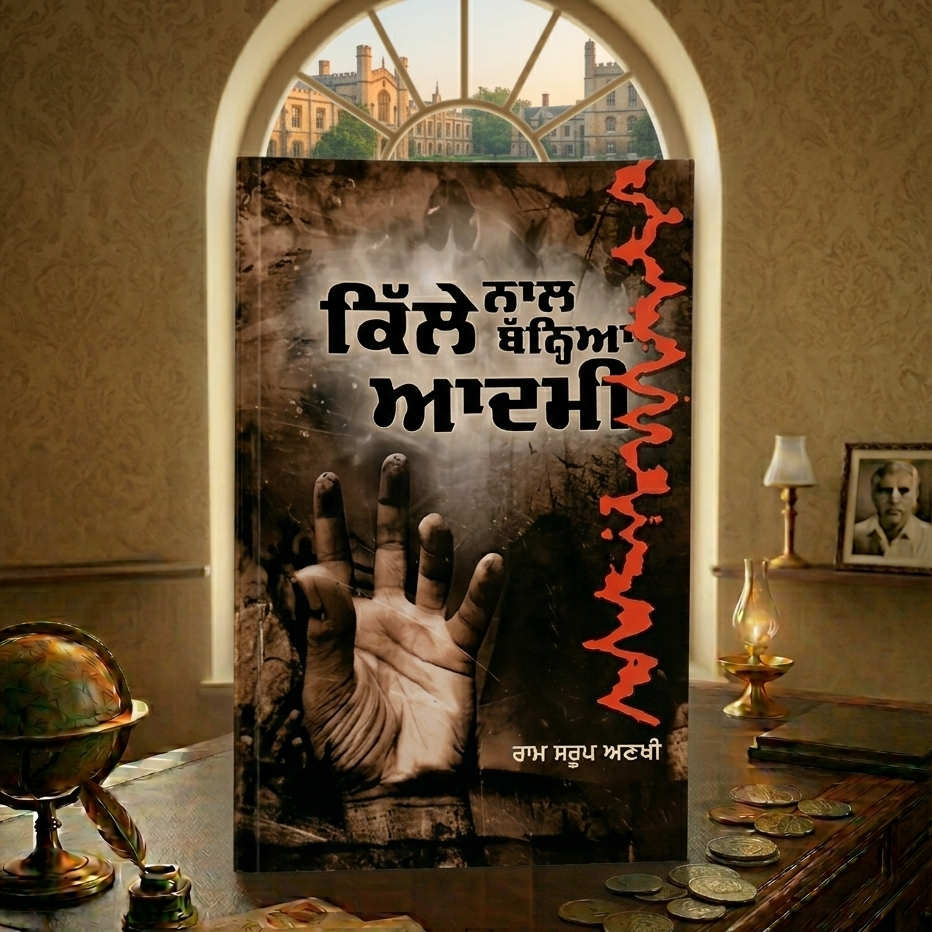
ਕਿੱਲੇ ਨਾਲ ਬਣੇਆ ਆਦਮੀ (Kille Naal Baneya Aadmi) – The Story of Land, Identity, Power & Human Nature
Kille Naal Baneya Aadmi – When Land Shapes a Human Life
Kille Naal Baneya Aadmi by Ram Sarup Ankhi is a powerful Punjabi novel where Kille Naal Baneya Aadmi becomes much more than a story about land ownership. Kille Naal Baneya Aadmi explores how land influences identity, relationships, ambition, status, and the way society views an individual. Through realistic storytelling and deep social observation, Kille Naal Baneya Aadmi examines the connection between human beings and the land they cultivate, inherit, protect, and sometimes sacrifice everything to possess.
At its heart, Kille Naal Baneya Aadmi reflects a reality deeply rooted in Punjabi society where land is not merely property. In Kille Naal Baneya Aadmi, land becomes a symbol of dignity, pride, power, survival, inheritance, and social recognition. The novel explores how the ownership of land can shape a person's life, decisions, dreams, and relationships.
The Meaning Behind Kille Naal Baneya Aadmi
The title Kille Naal Baneya Aadmi carries deep symbolic significance. A "killa" is a traditional measurement of agricultural land, and in Kille Naal Baneya Aadmi, this symbol represents wealth, status, opportunity, and influence.
Through Kille Naal Baneya Aadmi, readers encounter:
The emotional bond between farmers and land
Social status linked to property ownership
Economic realities of rural Punjab
Family disputes and inheritance issues
Human ambition and material desires
The struggle to maintain dignity and identity
Kille Naal Baneya Aadmi asks an important question: Is a person defined by character and values, or by the land and wealth they possess?
Rural Punjab in Kille Naal Baneya Aadmi
One of the strongest aspects of Kille Naal Baneya Aadmi is its authentic portrayal of Punjabi village life. Ram Sarup Ankhi was known for writing about the Malwa region of Punjab and the realities faced by rural communities.
In Kille Naal Baneya Aadmi, readers experience:
Agricultural life and farming culture
Village power structures
Family traditions and responsibilities
Economic struggles and aspirations
Social relationships shaped by land ownership
The realism of Kille Naal Baneya Aadmi makes it relatable for anyone familiar with Punjab's rural landscape.
Land and Human Identity in Kille Naal Baneya Aadmi
A major theme of Kille Naal Baneya Aadmi is identity. Throughout Kille Naal Baneya Aadmi, land becomes a powerful force that shapes how individuals see themselves and how society judges them.
Kille Naal Baneya Aadmi explores:
Pride associated with land ownership
Social respect and reputation
Economic security and insecurity
Generational inheritance
The conflict between values and material success
Through these themes, Kille Naal Baneya Aadmi becomes a thoughtful exploration of human nature.
Family and Relationships in Kille Naal Baneya Aadmi
Relationships form an important emotional foundation in Kille Naal Baneya Aadmi. The novel examines how wealth, property, and inheritance can strengthen or damage family bonds.
Through Kille Naal Baneya Aadmi, readers witness:
Family Responsibilities
Kille Naal Baneya Aadmi highlights the burdens and expectations carried by family members.
Property and Conflict
Kille Naal Baneya Aadmi explores how ownership and inheritance can create tension.
Love and Loyalty
Kille Naal Baneya Aadmi portrays emotional bonds that survive despite hardship.
Tradition and Change
Kille Naal Baneya Aadmi reflects the changing values of rural society.
These elements give Kille Naal Baneya Aadmi emotional depth and realism.
Themes Explored in Kille Naal Baneya Aadmi
Land and Ownership
Kille Naal Baneya Aadmi explores the importance of land in rural life.
Identity and Status
Kille Naal Baneya Aadmi examines how society measures success.
Rural Punjab
Kille Naal Baneya Aadmi presents an authentic picture of village culture.
Family and Inheritance
Kille Naal Baneya Aadmi reflects generational responsibilities and conflicts.
Human Ambition
Kille Naal Baneya Aadmi highlights dreams, desires, and personal struggles.
Dignity and Self-Respect
Kille Naal Baneya Aadmi emphasizes the importance of character beyond material possessions.
Writing Style of Kille Naal Baneya Aadmi
The writing style of Ram Sarup Ankhi in Kille Naal Baneya Aadmi is realistic, emotional, and deeply rooted in Punjabi culture. Ankhi is widely recognized for portraying village life, farmers, social realities, and rural Punjab with exceptional authenticity.
Features of Kille Naal Baneya Aadmi include:
Realistic characters
Authentic Punjabi atmosphere
Strong social commentary
Emotional depth
Meaningful life lessons
Engaging storytelling
Why Kille Naal Baneya Aadmi Remains Relevant
Even today, Kille Naal Baneya Aadmi remains relevant because the themes explored in Kille Naal Baneya Aadmi continue to shape rural and agricultural societies.
The novel speaks about:
Land ownership and identity
Economic aspirations
Social inequality
Family responsibilities
Human dignity
The relationship between wealth and character
These timeless themes allow Kille Naal Baneya Aadmi to connect with readers across generations.
Final Thoughts
Kille Naal Baneya Aadmi is not merely a Punjabi novel—it is a powerful reflection on land, identity, ambition, family, and human values. Through realistic storytelling and deep social insight, Kille Naal Baneya Aadmi captures the realities of rural Punjab while exploring questions that remain relevant in every era.
The enduring strength of Kille Naal Baneya Aadmi lies in its ability to show that while land may shape a person's circumstances, true worth is ultimately measured by character, integrity, and humanity.