


Kalam Kitaab
ਕਹੇ ਕਬੀਰ ਦੀਵਾਨਾ (Kahe Kabir Deewana) Book – Osho
ਕਹੇ ਕਬੀਰ ਦੀਵਾਨਾ (Kahe Kabir Deewana) Book – Osho
Couldn't load pickup availability
Share
"ਕਹੇ ਕਬੀਰ ਦੀਵਾਨਾ" is Osho's ecstatic and revolutionary Punjabi discourses on the divine madness ("deewana") of Kabir – the mystic who laughed, danced, wept, and rebelled in pure love for God. Osho explores Kabir's fearless poetry, his rejection of religion and caste, his intoxicating devotion, and the state of being "crazy in love" with the divine, making it a celebration of spiritual intoxication and freedom.
"ਕਹੇ ਕਬੀਰ ਦੀਵਾਨਾ" ਓਸ਼ੋ ਦੀਆਂ ਅਨੰਦਮਈ ਅਤੇ ਕ੍ਰਾਂਤੀਕਾਰੀ ਪੰਜਾਬੀ ਗੱਲਬਾਤਾਂ ਹਨ ਜੋ ਕਬੀਰ ਦੇ ਰੱਬੀ ਪਾਗਲਪਨ ("ਦੀਵਾਨਾ") ਬਾਰੇ ਹਨ – ਜਿਸ ਨੇ ਹੱਸ ਕੇ, ਨੱਚ ਕੇ, ਰੋ ਕੇ ਅਤੇ ਧਰਮ-ਜਾਤ ਤੋਂ ਵਿਦਰੋਹ ਕਰਕੇ ਸੱਚੇ ਪਿਆਰ ਵਿੱਚ ਜੀਣਾ ਸਿਖਾਇਆ। ਓਸ਼ੋ ਕਬੀਰ ਦੀ ਨਿਡਰ ਕਵਿਤਾ, ਧਰਮ ਅਤੇ ਜਾਤ ਦੇ ਇਨਕਾਰ, ਨਸ਼ੇ ਵਰਗੀ ਭਗਤੀ ਅਤੇ ਰੱਬ ਨਾਲ ਪਾਗਲ ਹੋਣ ਦੀ ਹਾਲਤ ਨੂੰ ਖੋਜਦੇ ਹਨ।
Book Title: ਕਹੇ ਕਬੀਰ ਦੀਵਾਨਾ (Kahe Kabir Deewana)
Author: Osho
Language: Punjabi (Gurmukhi)
Genre: Spiritual Discourses (ਰੂਹਾਨੀ ਗੱਲਬਾਤ)
Available at: Kalam Kitaab


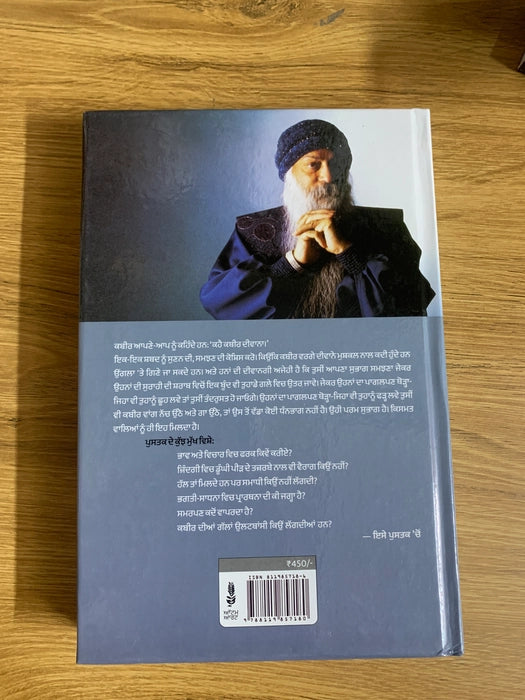
Kahe Kabir Deewana Book: Osho's Ecstatic Tribute to Kabir's Divine Madness
"Kahe Kabir Deewana book" is one of Osho's most passionate, joyful, and rebellious series of Punjabi discourses, entirely dedicated to the Sufi-mystic poet Kabir (1398–1518) and his state of divine intoxication ("deewana"). Osho (1931–1990), the mystic who spoke on every spiritual path with fearless clarity, approaches Kabir with deep love and admiration, calling him one of the purest rebels against organized religion, caste, and hypocrisy. The "Kahe Kabir Deewana book" celebrates Kabir's famous lines, his laughter in the face of death, his dancing in ecstasy, his weeping in love, and his radical declaration that truth is beyond temples, scriptures, and priests.
Compiled from live discourses (originally in Hindi and translated into Punjabi), this book is a living explosion of joy – Osho laughs, sings, and cries with Kabir, inviting readers to become "deewana" (mad) in divine love themselves.
Osho's Love for Kabir in the Book
Osho calls Kabir "the diamond of India" – a man who lived truth without belonging to any religion:
- Kabir the Rebel – Rejected Hindu and Muslim orthodoxy: "Bura jo dekhan main chala, bura na miliya koye. Jo dil khoja aapna, mujhse bura na koye."
- Kabir the Lover – His devotion to Ram was not sectarian – Ram was the divine essence within all.
- Kabir the Deewana – He danced, sang, and wept in ecstasy because he saw God everywhere – in the weaver's loom, in the butcher's knife, in the prostitute's street.
- Kabir the Awakened – He lived beyond life and death: "Kabira khada bazaar mein, maange sabki khair. Na kahu se dosti, na kahu se bair."
Osho uses Kabir's dohas as mirrors to reflect the reader's own illusions and invites them to the same madness – the madness of total love and freedom.
Key Insights and Discourses in Kahe Kabir Deewana Book
The Madness of Love
Osho explains why the mystic appears mad – he sees what others cannot: God in everything. The "deewana" laughs at the world because he knows it's a dream.
Beyond Religion and Caste
Kabir's famous lines "Hindu na Musalman" are celebrated as the ultimate rebellion – truth has no label.
Laughter as Meditation
Osho speaks of Kabir's laughter – it is not ordinary; it is the explosion of ego's death and the birth of pure joy.
Weeping in Ecstasy
Kabir wept not from sorrow but from overwhelming love – tears of realization that God was always near.
Living Without "I"
Kabir's state of "no-mind" – no "me," no "mine" – is the ultimate freedom Osho invites readers to taste.
Osho's Style and Language in the Book
Osho's discourses in the "Kahe Kabir Deewana book" are overflowing with joy, poetry, and wild energy – he laughs with Kabir, sings his dohas, and suddenly becomes serious to cut through illusions. The Punjabi translation captures his ecstatic tone, humor, and loving provocation, making the talks feel like a celebration.
He mixes Kabir's poetry, Sufi anecdotes, Zen stories, and direct calls to wake up – often shocking the mind into silence.
Spiritual and Cultural Significance of the Book
"Kahe Kabir Deewana book" is a beautiful meeting of Kabir's 15th-century mysticism and Osho's 20th-century clarity. In Punjab, where Kabir is deeply loved as a folk saint, the book resonates powerfully – bridging Sufi, Sikh, and universal spirituality.
It is especially cherished by those who love Kabir's simplicity and Osho's fearless rebellion against dogma.
Osho's Legacy
Osho spoke extensively on Kabir – calling him the purest mystic of India. The "Kahe Kabir Deewana book" captures Osho's deep love for Kabir's ecstatic madness – the state where the lover disappears and only love remains.
His discourses on Kabir continue to awaken hearts in Punjab and worldwide.
Why Kahe Kabir Deewana Resonates Today
In a world full of divisions, labels, and seriousness, the "Kahe Kabir Deewana book" by Osho offers a joyful, rebellious path: become mad in love, drop all "mine/yours," and dance with existence. Kabir's laughter and Osho's clarity remind us that truth is simple, playful, and already here.
Ecstatic, fearless, and eternally alive, "Kahe Kabir Deewana" is essential reading – a celebration of the mystic who laughed at death, wept in love, and lived free of all cages.
Joyful, poetic, and profoundly liberating, the "Kahe Kabir Deewana book" affirms Osho's genius in reviving Kabir's call: "Bulleh, who knows who I am?" – and inviting us to the same divine madness.