


Kalam Kitaab
Paigambar Ton Paigambar Di Maut Tak Book - Khalil Gibran
Paigambar Ton Paigambar Di Maut Tak Book - Khalil Gibran
Couldn't load pickup availability
Share
"ਪੈਗੰਬਰ ਤੋਂ ਪੈਗੰਬਰ ਦੀ ਮੌਤ ਤੱਕ" ਖਲੀਲ ਜਿਬਰਾਨ ਦੀ ਮਸ਼ਹੂਰ ਰਚਨਾ "The Prophet" ਅਤੇ "The Death of the Prophet" ਦਾ ਪੰਜਾਬੀ ਅਨੁਵਾਦ ਹੈ ਜੋ ਜੀਵਨ, ਪਿਆਰ, ਮੌਤ, ਆਜ਼ਾਦੀ, ਖੁਸ਼ੀ, ਦੁੱਖ ਅਤੇ ਰੂਹਾਨੀ ਸੱਚਾਈ ਨੂੰ ਬਹੁਤ ਗਹਿਰਾਈ ਅਤੇ ਕਾਵਿ-ਸੁੰਦਰਤਾ ਨਾਲ ਬਿਆਨ ਕਰਦਾ ਹੈ। ਇਹ ਕਿਤਾਬ ਇੱਕ ਪੈਗੰਬਰ ਅਲਮੁਸਤਫਾ ਦੇ ਮੂੰਹੋਂ ਜੀਵਨ ਦੇ ਸੁਪਨੇ, ਸਿਆਣਪ ਅਤੇ ਰੂਹਾਨੀ ਸੰਦੇਸ਼ਾਂ ਨੂੰ ਪੇਸ਼ ਕਰਦੀ ਹੈ ਜੋ ਪੰਜਾਬੀ ਪਾਠਕਾਂ ਨੂੰ ਆਪਣੀ ਅੰਦਰੂਨੀ ਯਾਤਰਾ ਲਈ ਪ੍ਰੇਰਿਤ ਕਰਦੀ ਹੈ। ਇਹ ਜਿਬਰਾਨ ਦੀ ਸਭ ਤੋਂ ਪ੍ਰਸਿੱਧ ਅਤੇ ਅਮਰ ਰਚਨਾ ਹੈ ਜੋ ਵਿਸ਼ਵ ਭਰ ਵਿੱਚ ਲੱਖਾਂ ਲੋਕਾਂ ਦੇ ਦਿਲਾਂ ਨੂੰ ਛੂਹਦੀ ਹੈ।
"Paigambar Ton Paigambar Di Maut Tak" is the Punjabi translation of Khalil Gibran's timeless classics "The Prophet" and "The Death of the Prophet." This profound book delivers life-changing wisdom on love, marriage, children, joy, sorrow, freedom, work, death, and spirituality through the voice of the prophet Almustafa. Written in poetic prose, it has touched millions worldwide and remains one of the most beloved spiritual books in Punjabi translation.
Book Title: ਪੈਗੰਬਰ ਤੋਂ ਪੈਗੰਬਰ ਦੀ ਮੌਤ ਤੱਕ (Paigambar Ton Paigambar Di Maut Tak)
Author: ਖਲੀਲ ਜਿਬਰਾਨ (Khalil Gibran) Punjabi Translation: Various translators
Language: Punjabi (Gurmukhi)
Genre: Spiritual Wisdom / Poetic Prose / Philosophy (ਰੂਹਾਨੀ ਸਿਆਣਪ / ਕਾਵਿ-ਗੱਦ / ਫਲਸਫਾ)
Original Title: The Prophet (1923) + The Death of the Prophet
Available at: Kalam Kitaab

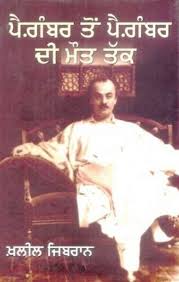
Paigambar Ton Paigambar Di Maut Tak Book: Khalil Gibran's Timeless Wisdom in Punjabi
"Paigambar Ton Paigambar Di Maut Tak" brings Khalil Gibran's masterpiece "The Prophet" and its companion "The Death of the Prophet" to Punjabi readers in a beautiful and faithful translation. In the book, the prophet Almustafa, after 12 years on a foreign island, prepares to return home. Before leaving, the people ask him about life's deepest questions. Through poetic and profound answers, he speaks on:
- Love ("When love beckons to you, follow him…")
- Marriage ("Let there be spaces in your togetherness…")
- Children ("Your children are not your children…")
- Giving ("You give but little when you give of your possessions…")
- Work, Joy, Sorrow, Freedom, Reason, Passion, Pain, Pleasure, Death, and more
The second part, "The Death of the Prophet," describes his departure and final message – a gentle farewell that completes the circle of life and wisdom.
Gibran's words are simple yet infinitely deep – filled with universal truth, spiritual insight, and poetic beauty. The Punjabi translation captures this essence perfectly – making the book feel like a conversation in your own language and soul.
Key Chapters & Teachings
- On Love – Love is life itself; it gives naught but itself
- On Marriage – Pillars stand apart, yet support each other
- On Children – They come through you but not from you
- On Giving – True giving is without expectation
- On Joy & Sorrow – They are inseparable twins
- On Freedom – Freedom is not in escaping chains but in understanding them
- On Death – "You are not enclosed within your bodies… you are free."
The book ends with the prophet's departure under the full moon – a symbol of completion and eternal return.
Why This Book Resonates in Punjabi
Punjabi readers connect deeply with Gibran's wisdom because:
- It aligns with Sikh/Sufi teachings of love, humility, and oneness
- The poetic style feels like Punjabi shayari and spiritual poetry
- Themes of longing, surrender, and eternal love mirror Batalvi, Bulleh Shah, and Nanak's spirit
It is one of the most gifted and read spiritual books in Punjabi homes.
Why Paigambar Ton Paigambar Di Maut Tak Resonates Today
In a world full of confusion, materialism, and broken relationships, Gibran's words offer timeless light:
- Love without possession
- Freedom within responsibility
- Joy in sorrow
- Peace in death
Poetic, profound, and eternally uplifting, this book is essential reading – Khalil Gibran's masterpiece that speaks directly to the Punjabi soul.
Wise, beautiful, and full of divine light, "Paigambar Ton Paigambar Di Maut Tak" affirms Gibran's genius in making universal truths feel intimate and eternal.