


Kalam Kitaab
Nasoor (ਨਸੂਰ)– Nanak Singh
Nasoor (ਨਸੂਰ)– Nanak Singh
Couldn't load pickup availability
Share
"Nasoor" is Nanak Singh's poignant novel that exposes the deep wounds ("nasoor") of Partition violence, communal hatred, and human suffering in 1947. Through intertwined stories of families torn apart, it critiques fanaticism and pleads for humanity, making it a classic of Punjabi Partition literature.
"ਨਸੂਰ" ਨਾਨਕ ਸਿੰਘ ਦਾ ਮਾਰਮਿਕ ਨਾਵਲ ਹੈ ਜੋ 1947 ਦੀ ਵੰਡ ਵਿੱਚ ਹੋਏ ਹਿੰਸਾ, ਫਿਰਕੂ ਨਫ਼ਰਤ ਅਤੇ ਮਨੁੱਖੀ ਦੁੱਖ ਦੇ ਡੂੰਘੇ ਜ਼ਖ਼ਮਾਂ ("ਨਸੂਰ") ਨੂੰ ਉਜਾਗਰ ਕਰਦਾ ਹੈ। ਵੰਡੀਆਂ ਪਰਿਵਾਰਾਂ ਦੀਆਂ ਕਹਾਣੀਆਂ ਰਾਹੀਂ ਇਹ ਫਨੈਟਿਜ਼ਮ ਦੀ ਆਲੋਚਨਾ ਕਰਦਾ ਹੈ ਅਤੇ ਇਨਸਾਨੀਅਤ ਦੀ ਅਪੀਲ ਕਰਦਾ ਹੈ।
Book Title: ਨਸੂਰ (Nasoor)
Author: Nanak Singh
Language: Punjabi (Gurmukhi)
Genre: Novel (Partition Literature)
Available at: Kalam Kitaab

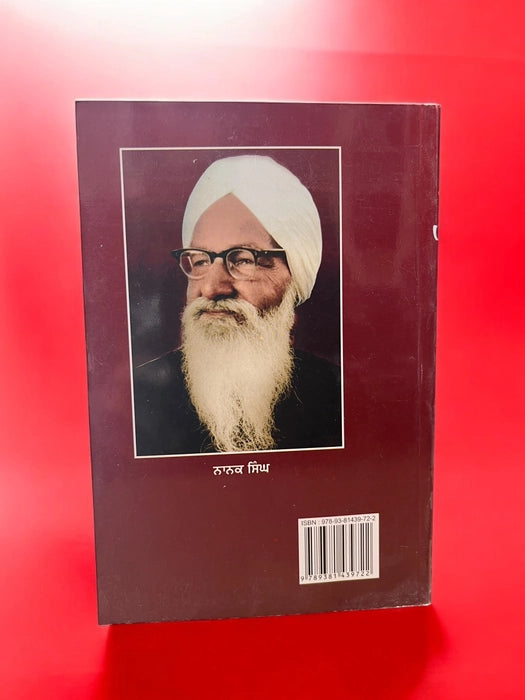
Nasoor Novel: Nanak Singh's Heart-Wrenching Chronicle of Partition Wounds
"Nasoor book," published in 1950, is one of Nanak Singh's most emotionally devastating novels, capturing the raw pain of India's 1947 Partition through the metaphor of an unhealing wound ("nasoor"). Nanak Singh (1897–1971), the "Father of the Punjabi Novel" and a prolific writer of over 50 works, drew from firsthand observations of communal violence, displacement, and loss during Partition. The "Nasoor book" intertwines stories of Hindu, Muslim, and Sikh families shattered by riots, forced migrations, and betrayal, offering a powerful critique of fanaticism while pleading for communal harmony.
Written in the immediate aftermath of Partition, the "Nasoor book" stands as a landmark in Punjabi literature for its unflinching portrayal of human suffering and moral collapse, alongside classics like "Chitta Lahu" and "Pavitar Paapi."
Plot and Interwoven Stories in the Book
The "Nasoor book" follows multiple families across religious lines in a Punjab village and city, their lives peaceful until Partition's madness erupts. Nanak Singh masterfully interlaces narratives:
- A Hindu family fleeing to India, leaving behind home and neighbors.
- Muslim characters facing similar terror heading to Pakistan.
- Sikh protagonists caught in crossfire, witnessing atrocities.
Key events include train massacres, village burnings, abductions, and personal betrayals by once-trusted friends. The novel shows how ordinary people descend into hatred, yet highlights acts of humanity – neighbors protecting each other across faiths.
Ankhi's narrative builds to devastating climaxes, leaving characters with physical and emotional "nasoor" – wounds that never heal, symbolizing Partition's lasting trauma.
Key Themes in Nasoor Book
Communal Hatred and Fanaticism
Central to the "Nasoor book" is condemnation of religious extremism that turned neighbors into enemies. Singh exposes how propaganda and politics fueled violence.
Human Suffering and Loss
Vivid depictions of massacres, separations, orphaned children, and violated women highlight Partition's inhuman cost.
Betrayal of Humanity
The novel questions how shared culture and history dissolved into bloodshed, critiquing loss of moral compass.
Plea for Harmony and Brotherhood
Despite darkness, Singh affirms Punjab's composite culture, urging reconciliation and remembrance of shared humanity.
Unhealing Wounds of History
The "nasoor" metaphor captures Partition's enduring psychological scars on survivors and society.
Nanak Singh's Writing Style in the Book
Nanak Singh's prose in the "Nasoor book" is direct, emotional Punjabi – rich in dialogue reflecting rural and urban speech. His realism draws from eyewitness accounts (Singh experienced Partition displacement), avoiding sensationalism while evoking horror through human details.
Character-driven narrative builds empathy, making tragedy personal and universal.
Cultural and Literary Significance of the Book
"Nasoor book" is a cornerstone of Punjabi Partition literature, alongside works by Kartar Singh Duggal and Amrita Pritam. It contributed to documenting the human side of 1947's tragedy, influencing films, plays, and historical discourse.
Frequently reprinted and studied, it remains relevant amid discussions on communal harmony and historical memory.
Nanak Singh's Legacy
Nanak Singh wrote extensively on social issues – from "Khoon De Sohile" (Jallianwala Bagh) to "Chitta Lahu" (pre-Partition evils). The "Nasoor book" reflects his commitment to humanism and peace.
His novels shaped modern Punjabi fiction, earning him the title "Father of the Punjabi Novel."
Why Nasoor Resonates Today
In times of rising communal tensions and historical revisionism, the "Nasoor book" by Nanak Singh offers timeless warning – hatred's wounds fester forever. It humanizes Partition's victims, urging empathy and unity.
Powerful, heartbreaking, and profoundly relevant, "Nasoor" is essential reading – a reminder that history's unhealed sores demand remembrance and reconciliation.