


Kalam Kitaab
Maharani Jinda (ਮਹਾਰਾਣੀ ਜਿੰਦਾ) (Maharani Jind Kaur) – Jagtaar Singh Bhangu
Maharani Jinda (ਮਹਾਰਾਣੀ ਜਿੰਦਾ) (Maharani Jind Kaur) – Jagtaar Singh Bhangu
Couldn't load pickup availability
Share
"Maharani Jinda" is an insightful biographical book by Jagtaar Singh Bhangu that chronicles the life of Maharani Jind Kaur, the last queen of the Sikh Empire and mother of Maharaja Duleep Singh. It highlights her courage, political acumen, and resistance against British colonialism, portraying her as Punjab's fearless "akhri maharani."
"ਮਹਾਰਾਣੀ ਜਿੰਦਾ" ਜਗਤਾਰ ਸਿੰਘ ਭੰਗੂ ਵੱਲੋਂ ਲਿਖੀ ਇੱਕ ਸੂਝਵਾਨ ਜੀਵਨੀ ਕਿਤਾਬ ਹੈ ਜੋ ਸਿੱਖ ਸਾਮਰਾਜ್ಯ ਦੀ ਆਖਰੀ ਮਹਾਰਾਣੀ ਜਿੰਦ ਕੌਰ ਦੇ ਜੀਵਨ ਨੂੰ ਬਿਆਨ ਕਰਦੀ ਹੈ, ਜੋ ਮਹਾਰਾਜਾ ਦਲੀਪ ਸਿੰਘ ਦੀ ਮਾਂ ਸਨ। ਇਹ ਉਨ੍ਹਾਂ ਦੀ ਹਿੰਮਤ, ਰਾਜਨੀਤਿਕ ਸੂਝ ਅਤੇ ਬ੍ਰਿਟਿਸ਼ ਗੁਲਾਮੀ ਵਿਰੋਧੀ ਸੰਘਰਸ਼ ਨੂੰ ਉਜਾਗਰ ਕਰਦੀ ਹੈ, ਉਨ੍ਹਾਂ ਨੂੰ ਪੰਜਾਬ ਦੀ ਨਿਡਰ "ਆਖਰੀ ਮਹਾਰਾਣੀ" ਵਜੋਂ ਪੇਸ਼ ਕਰਦੀ ਹੈ।
Book Title: Maharani Jinda (ਮਹਾਰਾਣੀ ਜਿੰਦਾ)
Author: Jagtaar Singh Bhangu
Language: Punjabi (Gurmukhi)
Genre: Biography (Historical)
Available at: Kalam Kitaab

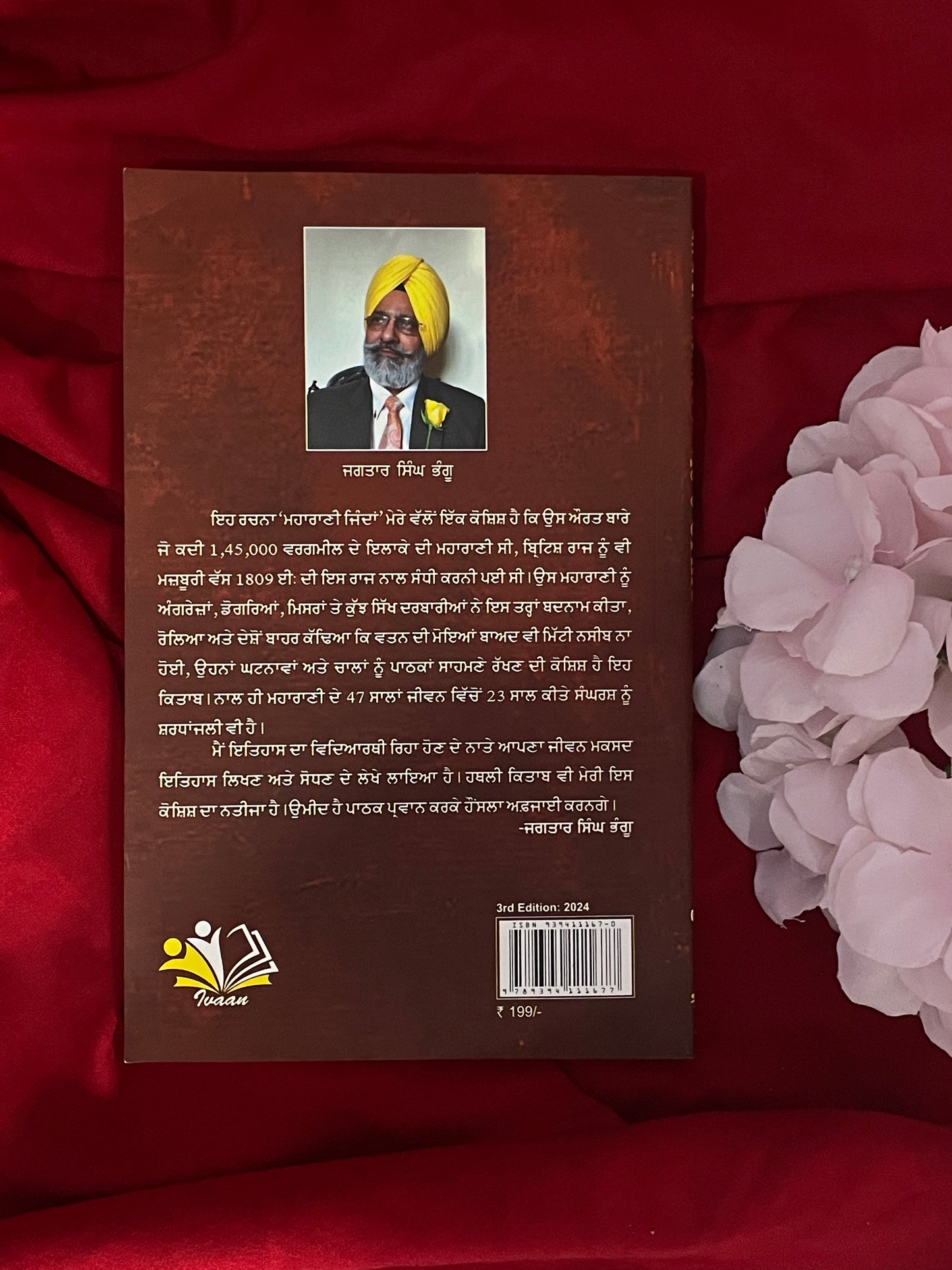
Maharani Jinda (ਮਹਾਰਾਣੀ ਜਿੰਦਾ) – Jagtaar Singh Bhangu
Short Description
"Maharani Jinda" is an insightful biographical book by Jagtaar Singh Bhangu that chronicles the life of Maharani Jind Kaur, the last queen of the Sikh Empire and mother of Maharaja Duleep Singh. It highlights her courage, political acumen, and resistance against British colonialism, portraying her as Punjab's fearless "akhri maharani."
"ਮਹਾਰਾਣੀ ਜਿੰਦਾ" ਜਗਤਾਰ ਸਿੰਘ ਭੰਗੂ ਵੱਲੋਂ ਲਿਖੀ ਇੱਕ ਸੂਝਵਾਨ ਜੀਵਨੀ ਕਿਤਾਬ ਹੈ ਜੋ ਸਿੱਖ ਸਾਮਰਾਜ਼ ਦੀ ਆਖਰੀ ਮਹਾਰਾਣੀ ਜਿੰਦ ਕੌਰ ਦੇ ਜੀਵਨ ਨੂੰ ਬਿਆਨ ਕਰਦੀ ਹੈ, ਜੋ ਮਹਾਰਾਜਾ ਦਲੀਪ ਸਿੰਘ ਦੀ ਮਾਂ ਸਨ। ਇਹ ਉਨ੍ਹਾਂ ਦੀ ਹਿੰਮਤ, ਰਾਜਨੀਤਿਕ ਸੂਝ ਅਤੇ ਬ੍ਰਿਟਿਸ਼ ਗੁਲਾਮੀ ਵਿਰੋਧੀ ਸੰਘਰਸ਼ ਨੂੰ ਉਜਾਗਰ ਕਰਦੀ ਹੈ, ਉਨ੍ਹਾਂ ਨੂੰ ਪੰਜਾਬ ਦੀ ਨਿਡਰ "ਆਖਰੀ ਮਹਾਰਾਣੀ" ਵਜੋਂ ਪੇਸ਼ ਕਰਦੀ ਹੈ।
Book Title: Maharani Jinda (ਮਹਾਰਾਣੀ ਜਿੰਦਾ)
Author: Jagtaar Singh Bhangu
Language: Punjabi (Gurmukhi)
Genre: Biography (Historical)
Available at: Kalam Kitaab
Maharani Jinda: A Tribute to Punjab's Last Queen
"Maharani Jinda" by Jagtaar Singh Bhangu is a compelling and meticulously researched biographical account that revives the extraordinary saga of Maharani Jind Kaur, the youngest consort of Maharaja Ranjit Singh and the indomitable regent of the Sikh Empire. Published in recent years, this book stands as a powerful tribute to one of the most misunderstood yet heroic women in Punjabi and Sikh history. Bhangu skillfully weaves historical records, court chronicles, and contemporary accounts to present a balanced, empathetic portrait of Jind Kaur – a woman whose intelligence, charisma, and fierce patriotism made her both revered in Punjab and feared by the British East India Company.
Often known as Rani Jindan, she is celebrated in the book as "Punjab Di Akhri Maharani," the last sovereign queen who fought relentlessly to preserve the Khalsa Raj against overwhelming odds. Through vivid storytelling, Bhangu transforms dry historical facts into an engaging narrative that reads like a dramatic epic, making "Maharani Jinda" essential reading for anyone fascinated by the twilight years of the Sikh Empire.
Early Life and Humble Beginnings
Jind Kaur was born around 1817 in the small village of Chacharari near Gujranwala, into a modest Jat family. Her father, Sardar Manna Singh Aulakh, served as a kennel keeper in Maharaja Ranjit Singh's royal court – a position far removed from nobility. Despite her ordinary origins, her exceptional beauty, sharp intellect, and lively personality caught the Maharaja's eye during a hunting expedition.
Their marriage in 1835 marked a fairy-tale rise for the young Jind. She quickly became Ranjit Singh's most beloved wife, earning the endearing nickname "Jinda" meaning "life-giving." In 1838, she gave birth to Duleep Singh, the Maharaja's only surviving legitimate son and heir apparent. Bhangu dedicates significant space in the book to this period, illustrating how Jind Kaur's charm and wisdom endeared her to the court while preparing her for the turbulent political role she would soon assume.
Rise to Power Amid Court Intrigues
The death of Maharaja Ranjit Singh in 1839 plunged the Lahore Darbar into chaos, with rapid successions, assassinations, and factional rivalries weakening the empire. Jind Kaur, though young and initially sidelined, demonstrated remarkable political acumen. By 1843, she had maneuvered to become official regent for her minor son, Maharaja Duleep Singh.
Bhangu vividly recounts her masterful handling of treacherous nobles, dogmatic generals, and scheming ministers. She rebuilt the Khalsa army, promoted loyal commanders like Lal Singh and Tej Singh (later revealed as traitors), and boldly challenged British diplomatic pressures. Her public addresses to troops – fiery speeches that rallied the Sikh forces – are quoted extensively in the book, showcasing her oratory prowess and deep understanding of Sikh martial spirit.
Confrontation with the British Empire
As tensions escalated into the First and Second Anglo-Sikh Wars (1845–1849), Jind Kaur emerged as the empire's de facto leader. The British viewed her as their greatest obstacle, labeling her derogatorily as the "Messalina of the Punjab" – implying dangerous seductiveness and intrigue. Yet, Bhangu counters this colonial propaganda by presenting evidence of her strategic brilliance and genuine commitment to Sikh sovereignty.
The book details heartbreaking betrayals by Dogra ministers and some Khalsa leaders who colluded with the British, leading to defeat and annexation in 1849. At just 32, Jind Kaur saw her kingdom lost, her son stripped of throne and faith, and herself reduced to a prisoner of the victors.
Maharani Jind Kaur Book: Trials of Exile and Defiant Resistance
One of the most gripping sections explores Jind Kaur's harrowing years in captivity. Separated from young Duleep Singh (who was taken to England and converted to Christianity), she was imprisoned in Sheikhupura Fort, then Chunar Fort near Varanasi. British officials feared her influence so greatly that they imposed severe restrictions.
Undaunted, she orchestrated a daring escape from Chunar in 1848, disguised as a maidservant, and sought refuge in Nepal. From there, she continued anti-British correspondence and plotting. Exiled further to England in 1861, she finally reunited with her son in 1860–1863, attempting to rekindle his Sikh identity and claim to the throne.
Bhangu poignantly describes her final years in London, her deteriorating health, and death in 1863 at age 46. Her cremation in Britain and subsequent return of ashes to India symbolize her enduring connection to Punjab.
Legacy as an Icon of Resistance
"Maharani Jinda" powerfully reframes Jind Kaur's legacy beyond British vilifications. Bhangu portrays her as a devoted mother, astute stateswoman, and fearless patriot whose resistance inspired later freedom fighters. Her life exemplifies women's agency in a male-dominated era, challenging stereotypes while embodying Sikh values of equality and courage.
The book underscores how her story was deliberately distorted by colonial historians to justify annexation, and how reclaiming her narrative strengthens Punjabi pride and historical awareness.
Why This Biography Matters Today
In contemporary times, when women's contributions to history are being rediscovered, Jagtaar Singh Bhangu's "Maharani Jinda" offers timely inspiration. Rich in detail yet readable, it appeals to scholars, history buffs, and general readers alike. Through meticulous sourcing and passionate prose, the book ensures Maharani Jind Kaur's voice – silenced for too long – resonates loudly once more.
An empowering chronicle of resilience against empire, "Maharani Jinda" is more than biography; it is a celebration of Punjab's indomitable spirit embodied in its last queen.