

Kalam Kitaab
Kothe Kharak Singh (ਕੋਠੇ ਖੜਕ ਸਿੰਘ) – Ram Saroop Ankhi
Kothe Kharak Singh (ਕੋਠੇ ਖੜਕ ਸਿੰਘ) – Ram Saroop Ankhi
Couldn't load pickup availability
Share
"Kothe Kharak Singh" is Ram Saroop Ankhi's acclaimed Punjabi novel that portrays the harsh realities of rural Punjab through the life of Kharak Singh, a landless laborer. With realistic storytelling and social critique, it highlights poverty, caste oppression, and human resilience in post-independence village life.
"ਕੋਠੇ ਖੜਕ ਸਿੰਘ" ਰਾਮ ਸਰੂਪ ਅੰਕੀ ਦਾ ਮਸ਼ਹੂਰ ਪੰਜਾਬੀ ਨਾਵਲ ਹੈ ਜੋ ਖੜਕ ਸਿੰਘ, ਇੱਕ ਜ਼ਮੀਨਹੀਣ ਮਜ਼ਦੂਰ ਦੇ ਜੀਵਨ ਰਾਹੀਂ ਪੇਂਡੂ ਪੰਜਾਬ ਦੀਆਂ ਕੌੜੀਆਂ ਹਕੀਕਤਾਂ ਨੂੰ ਦਰਸਾਉਂਦਾ ਹੈ। ਯਥਾਰਥਵਾਦੀ ਕਹਾਣੀ ਅਤੇ ਸਮਾਜਿਕ ਆਲੋਚਨਾ ਨਾਲ ਇਹ ਗਰੀਬੀ, ਜਾਤੀ ਜ਼ੁਲਮ ਅਤੇ ਮਨੁੱਖੀ ਲਚਕੀਲੇਪਣ ਨੂੰ ਉਜਾਗਰ ਕਰਦਾ ਹੈ।
Book Title: ਕੋਠੇ ਖੜਕ ਸਿੰਘ (Kothe Kharak Singh)
Author: Ram Saroop Ankhi
Language: Punjabi (Gurmukhi)
Genre: Novel (Social Realism)
Available at: Kalam Kitaab
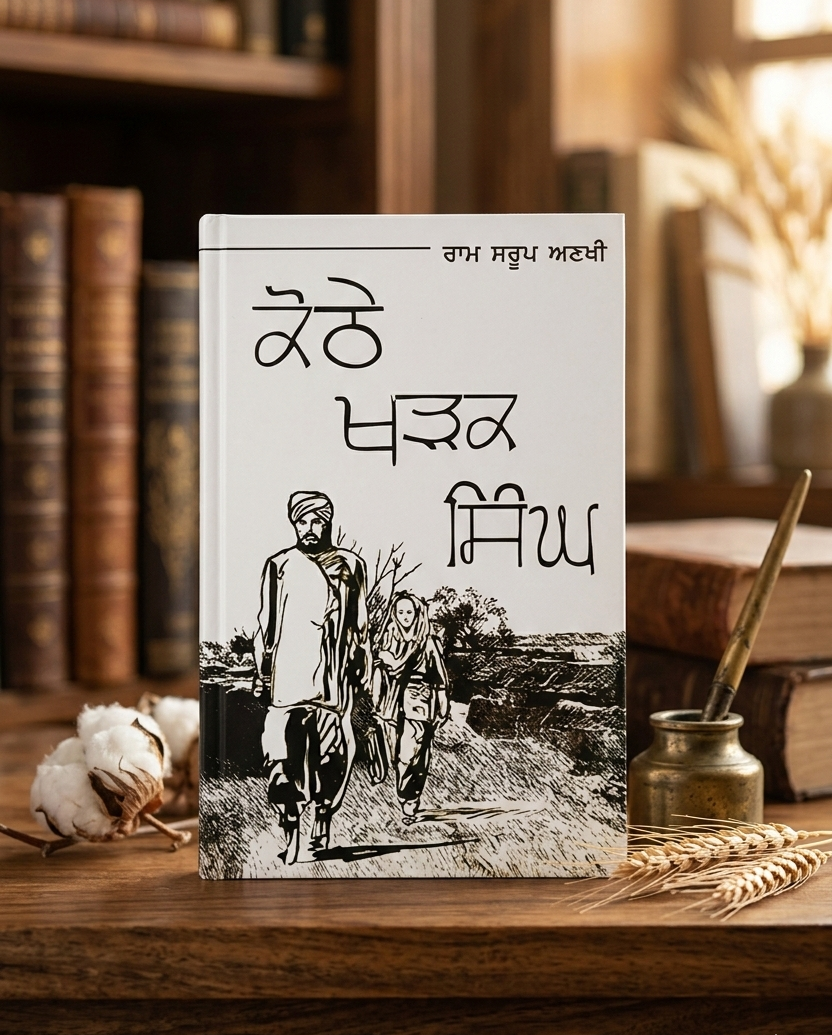
Kothe Kharak Singh Book: Ram Saroop Ankhi's Masterpiece of Rural Realism
"Kothe Kharak Singh book," first published in 1970 and widely regarded as Ram Saroop Ankhi's crowning achievement, is a landmark in Punjabi literature for its unflinching portrayal of rural poverty and social injustice in post-independence Punjab. Ram Saroop Ankhi (1930–2010), born in a modest farming family and a self-taught writer who rose from humble beginnings, brought authenticity to his depictions of village life. The "Kothe Kharak Singh book" earned the Sahitya Akademi Award in 1973, recognizing its powerful social commentary and literary merit. Ankhi's narrative centers on Kharak Singh, a landless mazhabi Sikh laborer, whose life embodies the struggles of the marginalized in Punjab's feudal society.
Through vivid, realistic storytelling, the "Kothe Kharak Singh book" exposes the deep-rooted inequalities that persisted despite India's freedom, making it a classic of progressive Punjabi fiction comparable to works by Premchand or Gorky.
Plot Summary and Character Development in the Book
The "Kothe Kharak Singh book" follows Kharak Singh, a hardworking but impoverished dalit laborer in a typical Punjab village. Married with children, he lives in a small hut ("kothe") and toils on landlords' fields, trapped in cycles of debt and exploitation. Ankhi masterfully develops Kharak as a complex character – intelligent, dignified, and resilient yet crushed by systemic barriers.
Key events include Kharak's efforts to educate his son, confrontations with upper-caste landlords over wages, family hardships during droughts or illnesses, and small acts of rebellion like refusing unjust demands. The novel spans seasons and years, showing how Green Revolution mechanization displaces traditional laborers while enriching owners.
Ankhi avoids melodrama, letting everyday incidents – a denied loan, a child's illness, village gossip – reveal profound injustice. Kharak's quiet endurance and moral integrity shine, culminating in poignant reflections on life's futility for the poor, tempered by subtle hope in human spirit.
Supporting characters – Kharak's wife, children, fellow laborers, and oppressive landlords – add layers, illustrating broader societal dynamics.
Key Themes Explored in Kothe Kharak Singh Book
Caste Discrimination and Social Hierarchy
A core theme in the "Kothe Kharak Singh book" is the persistence of caste oppression in Sikh society. Despite egalitarian ideals, mazhabi Sikhs and dalits face humiliation and exclusion. Ankhi critiques hypocrisy where religious equality fails in practice.
Economic Exploitation and Feudalism
The novel details bonded labor, usury, and landlessness trapping generations. Kharak's endless toil for minimal wages highlights post-independence failures to reform agrarian structures.
Poverty's Daily Grind and Human Cost
Ankhi vividly shows poverty's toll – malnutrition, illness, lost dreams – without sentimentality, emphasizing dignity amid deprivation.
Resilience and Quiet Resistance
Despite despair, Kharak's integrity and small defiances affirm uncrushable human spirit, offering hope.
Changing Rural Landscape
Set during early Green Revolution, the "Kothe Kharak Singh book" contrasts technological progress benefiting elites with laborers' displacement.
Ankhi's Writing Style and Literary Technique
Ankhi's prose in the "Kothe Kharak Singh book" is straightforward Punjabi, rich in rural idioms, dialects, and natural dialogue that feels authentic. His realism draws from personal observation – born in Dhaula village, Ankhi knew village life intimately.
Character-driven narrative avoids authorial preaching, letting events speak. Descriptive passages of fields, seasons, and village routines immerse readers in Punjab's rural world.
Cultural and Literary Significance of the Book
Winning Sahitya Akademi Award elevated Punjabi social realism. The "Kothe Kharak Singh book" sparked debates on caste in Sikhism and rural inequality, influencing progressive writers.
Studied in universities and reprinted frequently, it remains relevant amid farmer crises and labor rights discussions.
Ram Saroop Ankhi's Broader Legacy
Ankhi wrote over 20 novels/short stories on oppressed classes – "Sasta Zehar," "Gelo," "Kachche Pakke Rang." From modest roots, he championed marginalized voices, earning respect as Punjab's conscience.
The "Kothe Kharak Singh book" is his enduring masterpiece.
Why Kothe Kharak Singh Resonates Today
Amid ongoing agrarian distress, caste debates, and inequality, the "Kothe Kharak Singh book" by Ram Saroop Ankhi offers timeless insight. It humanizes forgotten laborers, questioning true progress in rural India.
Powerful, authentic, and profoundly moving, "Kothe Kharak Singh" is essential Punjabi literature – a voice for the voiceless, challenging society to confront its failures while celebrating quiet human strength.
Realistic yet hopeful, Ankhi's classic continues to inspire empathy and action decades later.