

Kalam Kitaab
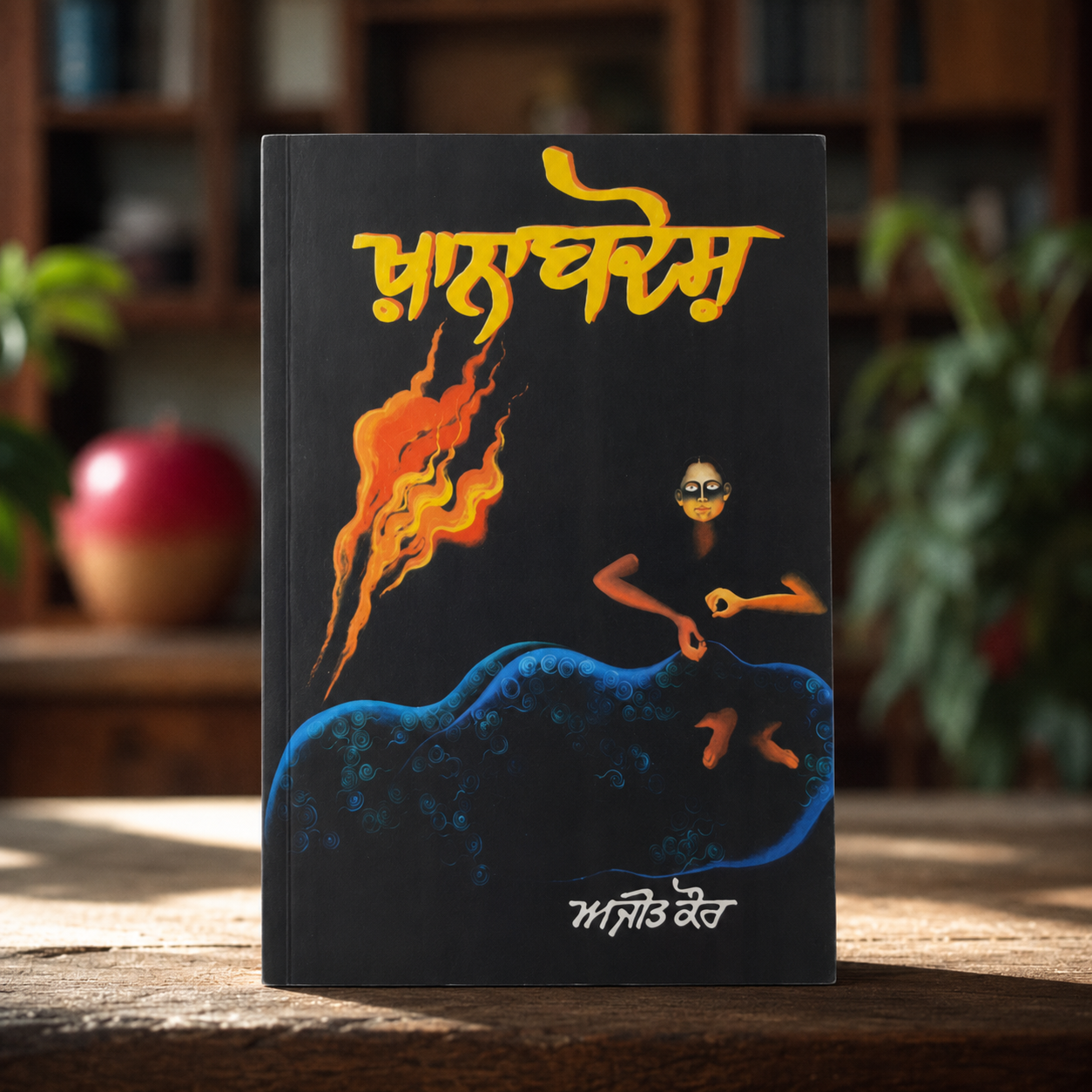
Khanabadosh (ਖ਼ਾਨਾਬਦੋਸ਼) Book - Ajeet Kaur
Khanabadosh (ਖ਼ਾਨਾਬਦੋਸ਼) Book - Ajeet Kaur
Couldn't load pickup availability
Share
"ਖ਼ਾਨਾਬਦੋਸ਼" ਅਜੀਤ ਕੌਰ ਦੀ ਪ੍ਰਸਿੱਧ ਪੰਜਾਬੀ ਸਵੈ-ਜੀਵਨੀ ਹੈ ਜੋ ਉਨ੍ਹਾਂ ਦੇ ਨਿੱਜੀ ਜੀਵਨ, ਸੰਘਰਸ਼ਾਂ, ਪਰਿਵਾਰਕ ਅਨੁਭਵਾਂ, ਔਰਤ ਦੀ ਪਹਿਚਾਣ, ਸਮਾਜਕ ਬੰਧਨਾਂ ਅਤੇ ਆਤਮ-ਖੋਜ ਦੀ ਯਾਤਰਾ ਨੂੰ ਬੇਬਾਕੀ ਅਤੇ ਇਮਾਨਦਾਰੀ ਨਾਲ ਪੇਸ਼ ਕਰਦੀ ਹੈ। ਇਹ ਕਿਤਾਬ ਸਿਰਫ਼ ਇੱਕ ਲੇਖਿਕਾ ਦੀ ਜੀਵਨ ਕਥਾ ਨਹੀਂ, ਸਗੋਂ ਵੰਡ ਤੋਂ ਬਾਅਦ ਦੇ ਪੰਜਾਬ, ਸਮਾਜ ਵਿੱਚ ਔਰਤ ਦੀ ਸਥਿਤੀ ਅਤੇ ਮਨੁੱਖੀ ਰਿਸ਼ਤਿਆਂ ਦੀਆਂ ਗੁੰਝਲਾਂ ਨੂੰ ਵੀ ਡੂੰਘਾਈ ਨਾਲ ਉਜਾਗਰ ਕਰਦੀ ਹੈ। ਆਪਣੀ ਸੱਚਾਈ, ਭਾਵਨਾਤਮਕ ਗਹਿਰਾਈ ਅਤੇ ਸਾਹਿਤਕ ਸੁੰਦਰਤਾ ਕਰਕੇ ਖ਼ਾਨਾਬਦੋਸ਼ ਪੰਜਾਬੀ ਸਾਹਿਤ ਦੀਆਂ ਸਭ ਤੋਂ ਮਹੱਤਵਪੂਰਨ ਸਵੈ-ਜੀਵਨੀਆਂ ਵਿੱਚੋਂ ਇੱਕ ਮੰਨੀ ਜਾਂਦੀ ਹੈ.
"Khanabadosh" by Ajeet Kaur is one of the most celebrated autobiographies in Punjabi literature. In this deeply personal memoir, Ajeet Kaur recounts her life with remarkable honesty, reflecting on childhood, Partition, family, womanhood, marriage, relationships, identity, and the pursuit of freedom. More than a personal life story, the book offers a powerful commentary on society, gender, and the emotional realities of human existence, making it a landmark work in modern Punjabi literature.
Book Details
- Book Title: Khanabadosh (ਖ਼ਾਨਾਬਦੋਸ਼)
- Author: Ajeet Kaur
- Language: Punjabi (Gurmukhi)
- Genre: Autobiography / Memoir
- Category: Punjabi Literature, Autobiography, Women's Literature, Memoir
- Subject: Personal Journey, Identity, Womanhood, Society, Relationships
- Available at: Kalam Kitaab
Khanabadosh – Detailed Guide
Introduction
Khanabadosh (ਖ਼ਾਨਾਬਦੋਸ਼) is widely regarded as one of the finest autobiographies ever written in Punjabi literature. Penned by the renowned Punjabi writer Ajeet Kaur, this remarkable memoir is much more than the story of one woman's life—it is an honest exploration of identity, womanhood, emotional survival, freedom, and self-discovery. Through fearless storytelling and literary brilliance, Ajeet Kaur transforms her personal experiences into a universal human narrative that resonates with readers across generations.
The title "Khanabadosh", meaning Nomad or Wanderer, perfectly symbolizes the emotional and psychological journey that defines the author's life. Rather than describing only physical displacement, it represents the search for belonging, dignity, love, independence, and inner peace. Throughout the book, readers witness the evolution of a woman determined to preserve her individuality despite the pressures of family, society, and tradition.
Khanabadosh – Detailed Guide
The autobiography traces Ajeet Kaur's life from her childhood through adulthood, exploring the experiences that shaped her personality and literary voice. Every chapter reveals another stage of her journey, allowing readers to understand not only the external events of her life but also her inner emotional world.
Unlike many autobiographies that merely recount events chronologically, Khanabadosh is deeply introspective. The author reflects on memories, relationships, failures, achievements, and emotional conflicts with extraordinary honesty. Readers are invited to experience not only what happened but also how those experiences transformed her understanding of herself and the world.
This emotional openness is one of the reasons the book continues to be admired decades after its publication.
The Subject Matter of the Book
At its heart, Khanabadosh explores the complexities of human life through the author's personal experiences.
The book discusses childhood memories, family relationships, education, marriage, motherhood, emotional struggles, loneliness, creativity, and the search for personal freedom. These experiences are presented not as isolated incidents but as interconnected stages in a lifelong journey of self-discovery.
The autobiography also reflects broader social realities. Readers gain insight into the changing social environment of Punjab, the impact of the Partition, expectations imposed upon women, and the emotional cost of conforming to rigid social norms.
Through personal storytelling, Ajeet Kaur raises universal questions about identity, dignity, independence, and the meaning of happiness.
A Personal Story That Reflects Society
Although Khanabadosh is deeply personal, it also serves as a mirror of society.
The author's experiences highlight many issues faced by women, including unequal expectations, limited personal freedom, emotional isolation, and the struggle to balance individual aspirations with social responsibilities.
Rather than presenting these issues through theoretical arguments, Ajeet Kaur allows readers to understand them through lived experience. Her honesty makes the book emotionally powerful without becoming sentimental.
Readers often discover that the autobiography speaks not only about the author's life but also about the experiences of countless women whose stories remained untold.
Themes Explored in Khanabadosh
Identity
One of the strongest themes throughout the autobiography is the search for identity. The author continually questions who she is beyond the roles assigned by society.
Womanhood
The book offers profound insights into the emotional, psychological, and social realities of being a woman in a changing society.
Freedom
Freedom is explored not only as physical independence but also as emotional and intellectual liberation.
Relationships
Family, friendship, love, marriage, and motherhood are examined with remarkable honesty, revealing both their beauty and their complexities.
Creativity
Readers witness how personal experiences become the foundation of literary creativity and artistic expression.
About the Author
Ajeet Kaur is one of the most respected voices in modern Punjabi literature. Known for her fearless honesty and emotionally rich writing, she has made significant contributions to Punjabi fiction, memoir, and feminist literature.
Her works frequently explore themes such as identity, relationships, women's experiences, memory, and emotional resilience. Through her writing, she has inspired generations of readers while establishing herself as one of Punjabi literature's most influential authors.
Khanabadosh remains her best-known work and is widely regarded as a landmark autobiography.
Writing Style
One of the greatest strengths of Khanabadosh is its literary style.
Ajeet Kaur writes with extraordinary honesty and emotional depth. Her language is elegant yet simple, poetic yet direct. Rather than exaggerating events for dramatic effect, she allows emotions to emerge naturally through thoughtful reflection.
The narrative moves effortlessly between memory and introspection, creating a reading experience that feels intimate and authentic. Readers often feel as though they are listening to a deeply personal conversation rather than reading a traditional autobiography.
This sincerity is one of the defining qualities that has made Khanabadosh a classic of Punjabi literature.
What Makes Khanabadosh Special?
There are many autobiographies, but very few possess the courage, honesty, and literary quality found in Khanabadosh.
The book stands apart because:
It presents life with complete honesty.
It combines personal storytelling with social commentary.
It explores emotional truths rather than merely recording events.
It gives voice to women's experiences with remarkable authenticity.
It remains relevant despite changing times because its themes are universal.
Its literary excellence and emotional sincerity have earned it a permanent place among the classics of Punjabi literature.
Why Should You Read Khanabadosh?
This book is highly recommended because it offers much more than the life story of a famous writer.
By reading Khanabadosh, you will:
Experience one of the finest autobiographies in Punjabi literature.
Understand the emotional journey of an extraordinary woman.
Gain insight into Punjabi society and changing social values.
Reflect on questions of identity, freedom, and self-respect.
Appreciate the relationship between personal experience and literary creativity.
Enjoy beautifully written prose that combines honesty with literary elegance.
Who Should Read This Book?
Khanabadosh is an excellent choice for:
Readers of Punjabi Literature
Those interested in classic Punjabi prose and memoir writing.
Students of Literature
Students studying autobiographies, memoirs, feminist literature, and modern Punjabi literature.
Women Readers
Readers seeking thoughtful reflections on identity, relationships, and personal freedom.
Researchers
Scholars interested in Punjabi literary history, autobiography, women's writing, and cultural studies.
General Readers
Anyone who appreciates honest storytelling, emotional depth, and beautifully written literature.
Conclusion
Khanabadosh (ਖ਼ਾਨਾਬਦੋਸ਼) is not simply the autobiography of Ajeet Kaur—it is a timeless exploration of identity, courage, memory, womanhood, and the lifelong search for freedom. Through fearless honesty and exceptional literary craftsmanship, Ajeet Kaur transforms her personal experiences into a deeply moving work that speaks to readers from every background.
Its emotional authenticity, literary beauty, and profound understanding of human relationships have made it one of the greatest autobiographies in Punjabi literature. Whether you are interested in memoirs, women's writing, Punjabi literature, or inspiring life stories, Khanabadosh is an unforgettable book that deserves a place in every serious reader's collection.