


Kalam Kitaab
Chitta Lahu (ਚਿੱਟਾ ਲਹੂ) – Nanak Singh
Chitta Lahu (ਚਿੱਟਾ ਲਹੂ) – Nanak Singh
Couldn't load pickup availability
Share
"Chitta Lahu" is a powerful realist novel by Nanak Singh, the father of the Punjabi novel, that exposes the moral decay and social evils in pre-independence Punjab. Through a gripping tale of love, injustice, and revenge, it critiques caste discrimination, hypocrisy, and the oppression of women, with the title symbolizing society's corrupted vitality.
"ਚਿੱਟਾ ਲਹੂ" ਨਾਨਕ ਸਿੰਘ ਵੱਲੋਂ ਲਿਖਿਆ ਇੱਕ ਸਸ਼ਕਤ ਯਥਾਰਥਵਾਦੀ ਨਾਵਲ ਹੈ, ਜੋ ਅਜ਼ਾਦੀ ਤੋਂ ਪਹਿਲਾਂ ਦੇ ਪੰਜਾਬ ਵਿੱਚ ਨੈਤਿਕ ਪਤਨ ਅਤੇ ਸਮਾਜਿਕ ਬੁਰਾਈਆਂ ਨੂੰ ਬੇਪਰਦ ਕਰਦਾ ਹੈ। ਪਿਆਰ, ਅਨਿਆਂ ਅਤੇ ਬਦਲੇ ਦੀ ਦਿਲਚਸਪ ਕਹਾਣੀ ਰਾਹੀਂ ਇਹ ਜਾਤ-ਪਾਤ ਵਿਤਕਰੇ, ਪਖੰਡ ਅਤੇ ਔਰਤਾਂ ਉੱਤੇ ਜ਼ੁਲਮ ਦੀ ਆਲੋਚਨਾ ਕਰਦਾ ਹੈ, ਜਿੱਥੇ ਸਿਰਲੇਖ ਸਮਾਜ ਦੀ ਭ੍ਰਿਸ਼ਟ ਜੀਵਨੀ ਸ਼ਕਤੀ ਨੂੰ ਦਰਸਾਉਂਦਾ ਹੈ।
Book Title: Chitta Lahu (ਚਿੱਟਾ ਲਹੂ)
Author: Nanak Singh
Language: Punjabi (Gurmukhi)
Genre: Novel (Social Realism)
Available at: Kalam Kitaab

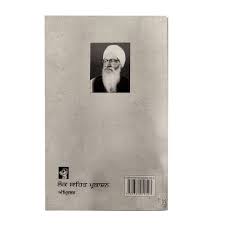
Introduction to Chitta Lahu by Nanak Singh
Chitta Lahu (literally meaning “White Blood”) is one of the powerful and emotionally charged novels written by Nanak Singh, one of the most respected figures in Punjabi literature. Known as the pioneer of the Punjabi novel, Nanak Singh wrote stories that explored deep social realities, human emotions, and the moral conflicts within society. His works often focused on justice, humanity, and the struggles of ordinary people.
In Chitta Lahu, Nanak Singh presents a compelling narrative about morality, social hypocrisy, and the contrast between outward respectability and inner corruption. The novel explores how societal systems often favor the powerful while the weak suffer silently. Through intense storytelling and realistic characters, the author highlights the harsh truths of society and challenges readers to reflect on ethical responsibility.
The novel is not just a story but a reflection of human nature and the complexities of social structures in Punjabi society during the early 20th century. It is considered an important work in Punjabi fiction because of its deep psychological insights and its bold criticism of injustice.
Historical and Literary Context
Punjabi Literature During Nanak Singh’s Era
When Nanak Singh began writing novels, Punjabi literature was undergoing a transformation. Earlier literature focused mainly on poetry, folklore, and religious writings. The modern Punjabi novel was still developing as a literary form.
Writers like Nanak Singh introduced realism into Punjabi storytelling. Instead of writing mythological or romantic tales, he began focusing on real-life issues such as poverty, injustice, class divisions, and moral dilemmas. His novels spoke directly to the struggles faced by ordinary people.
Chitta Lahu belongs to this tradition of social realism. The novel reflects the environment of colonial-era Punjab where inequality, corruption, and moral conflicts were widespread.
Meaning Behind the Title
The title Chitta Lahu carries strong symbolic meaning.
“White blood” metaphorically suggests:
- Loss of moral courage
- Emotional numbness in society
- Hypocrisy hidden beneath respectability
Through this symbolic title, Nanak Singh questions whether society has become so morally weak that people no longer react to injustice.
Overview of the Storyline
The Beginning of the Narrative
The story begins by introducing a social environment where power and wealth dominate the lives of people. Influential individuals control institutions and manipulate situations for their benefit. In contrast, the poor and honest characters struggle to survive within this unjust system.
Nanak Singh carefully constructs the setting to show a society divided by class and influence. The powerful maintain their status through manipulation, while those without influence are often blamed for crimes they did not commit.
The early chapters establish the emotional tone of the novel — a mixture of tension, injustice, and moral conflict.
The Development of the Conflict
As the story progresses, the central conflict begins to unfold. Certain characters become victims of circumstances created by corruption and social hypocrisy.
The narrative reveals how:
- Innocent individuals are trapped by false accusations
- Authorities often protect the influential
- Society easily accepts lies when they come from powerful people
Through these developments, the author exposes the fragile nature of justice in a corrupt environment.
The emotional struggle of the characters becomes the driving force of the story. Readers witness how the innocent attempt to prove their truth while facing overwhelming social pressure.
The Turning Point
A crucial moment in the novel occurs when hidden truths begin to surface. Actions taken earlier in the story start producing consequences.
Characters who appeared respectable are gradually exposed, and their moral weakness becomes evident. This turning point intensifies the drama and reveals the deeper message of the novel: truth cannot remain hidden forever.
The narrative tension rises as readers begin to understand the true nature of the characters and the injustice that has taken place.
The Resolution
Towards the conclusion of the novel, the story reaches an emotional climax where truth confronts deception.
Some characters experience moral awakening, while others face the consequences of their actions. The resolution emphasizes the idea that although injustice may prevail temporarily, ethical truth eventually emerges.
However, Nanak Singh does not present a simplistic happy ending. Instead, the ending leaves readers reflecting on the moral state of society and the responsibility individuals have toward justice.
Major Themes in Chitta Lahu
Social Hypocrisy
One of the strongest themes in the novel is the hypocrisy within society. Nanak Singh demonstrates how people who appear respectable often hide selfish motives.
Public reputation becomes more important than truth, and many individuals choose silence rather than confronting injustice.
Through this theme, the novel questions whether society truly values morality or simply maintains appearances.
Power and Injustice
The story also highlights how power can distort justice. Influential individuals manipulate systems such as law, social reputation, and authority.
Those who lack social status struggle to defend themselves even when they are innocent.
This theme reflects the broader social structure of the time, where wealth and influence often determined outcomes more than truth.
Moral Courage
Another important theme is moral courage. The novel portrays characters who must decide whether to remain silent or stand up for what is right.
Nanak Singh shows that moral courage requires sacrifice. Individuals who defend truth often face social pressure, isolation, or personal loss.
Yet the novel suggests that such courage is essential for a healthy society.
Human Conscience
The idea of conscience runs throughout the narrative. Many characters struggle internally with guilt, responsibility, and ethical choices.
Some characters ignore their conscience, allowing injustice to continue. Others listen to it and attempt to correct their mistakes.
This psychological conflict adds emotional depth to the novel.
Major Characters and Their Significance
The Victims of the System
Certain characters in the novel represent innocent individuals who become victims of a corrupt system. Through their struggles, Nanak Singh illustrates the vulnerability of ordinary people.
These characters evoke sympathy and encourage readers to question societal fairness.
The Representatives of Power
Another group of characters represents authority and influence. They demonstrate how social status can be used to control narratives and protect wrongdoing.
These characters are not always portrayed as purely evil. Instead, they are complex individuals whose ambition, pride, or fear leads them to unethical decisions.
The Moral Observers
Some characters function as moral observers within the story. They witness injustice and reflect on its consequences.
Through these characters, the author expresses philosophical reflections about society and ethics.
Nanak Singh’s Writing Style in Chitta Lahu
Realistic Storytelling
Nanak Singh is known for his realism. Instead of exaggerating events or creating fantasy-like scenarios, he focuses on believable situations and authentic human behavior.
In Chitta Lahu, the narrative feels grounded in real social circumstances. Readers can easily imagine the events taking place within actual communities.
Emotional Depth
The author skillfully portrays human emotions such as fear, guilt, hope, and despair.
Characters are not presented as simple heroes or villains. Instead, they are complex individuals who struggle with internal conflicts.
This emotional realism allows readers to connect deeply with the story.
Clear and Accessible Language
Another hallmark of Nanak Singh’s style is his simple yet powerful language. His writing avoids unnecessary complexity while still conveying deep philosophical ideas.
This accessibility helped his novels reach a wide audience and made them influential in Punjabi literature.
Moral Reflection
Throughout the novel, the author includes moments of reflection where characters or narrative passages consider ethical questions.
These reflections encourage readers to think critically about justice, responsibility, and social behavior.
What Makes Chitta Lahu Special
Bold Social Criticism
At the time it was written, openly criticizing social systems required courage. Nanak Singh used literature as a tool to challenge injustice and expose societal flaws.
Chitta Lahu stands out because it refuses to ignore uncomfortable truths.
Psychological Insight
The novel does not only describe external events; it also explores the inner thoughts and emotional struggles of characters.
This psychological depth gives the story a timeless quality.
Moral Complexity
Unlike simplistic moral tales, the novel presents complex situations where right and wrong are not always immediately obvious.
Readers are encouraged to reflect and interpret the ethical implications themselves.
Lessons and Messages from the Novel
The Importance of Truth
One of the central lessons of Chitta Lahu is that truth must be defended even when it is inconvenient or dangerous.
Silence in the face of injustice allows corruption to grow stronger.
Responsibility of Society
The novel suggests that injustice does not occur only because of powerful individuals. It also happens when ordinary people remain passive.
Society has a collective responsibility to protect fairness and justice.
Moral Integrity
Nanak Singh emphasizes the importance of personal integrity. Characters who maintain their moral principles, even under pressure, ultimately earn respect and dignity.
Consequences of Hypocrisy
The novel also demonstrates that hypocrisy eventually leads to exposure and consequences.
People who hide behind social status cannot escape the moral impact of their actions forever.
Influence of Chitta Lahu on Punjabi Literature
The work of Nanak Singh played a major role in shaping modern Punjabi fiction.
Novels like Chitta Lahu helped establish the Punjabi novel as a powerful medium for exploring social issues.
Later writers were inspired by his approach to realism, psychological depth, and moral storytelling.
Today, Nanak Singh remains one of the most widely read and respected authors in Punjabi literature.
Conclusion
Chitta Lahu is more than just a novel; it is a thoughtful examination of society, morality, and human conscience. Through powerful storytelling and deeply developed characters, Nanak Singh exposes the hidden weaknesses within social systems and the dangers of ignoring injustice.
The novel’s exploration of hypocrisy, power, and moral courage continues to resonate with readers even today. Its message reminds us that a healthy society depends not only on laws and institutions but also on the moral responsibility of individuals.
By combining emotional storytelling with deep philosophical reflection, Chitta Lahu stands as an important milestone in Punjabi literature. It challenges readers to question their own role within society and to consider whether they would remain silent in the face of injustice or choose to stand for truth.
For readers interested in socially conscious literature, Chitta Lahu remains a powerful and thought-provoking work that continues to inspire reflection long after the final page is turned.