

Kalam Kitaab
ਸਿੱਖਿਆ ਵਿੱਚ ਕ੍ਰਾਂਤੀ (Sikhya Vich Kranti) Vol. 1 & Vol. 2 Book – Osho
ਸਿੱਖਿਆ ਵਿੱਚ ਕ੍ਰਾਂਤੀ (Sikhya Vich Kranti) Vol. 1 & Vol. 2 Book – Osho
Couldn't load pickup availability
Share
"ਸਿੱਖਿਆ ਵਿੱਚ ਕ੍ਰਾਂਤੀ" (Sikhya Vich Kranti) is the Punjabi translation of Osho's revolutionary Hindi discourse series "Shiksha Mein Kranti" (Revolution in Education). In these two volumes, Osho delivers a radical critique of modern education systems and proposes a holistic, consciousness-based approach to true learning. He emphasizes inner growth, awareness, creativity, meditation, love, and freedom over rote learning, competition, and conditioning.
"ਸਿੱਖਿਆ ਵਿੱਚ ਕ੍ਰਾਂਤੀ" ਓਸ਼ੋ ਦੀ "ਸ਼ਿਕਸ਼ਾ ਮੇਂ ਕ੍ਰਾਂਤੀ" ਦੀ ਪੰਜਾਬੀ ਅਨੁਵਾਦ ਹੈ। ਇਸ ਦੋ ਭਾਗਾਂ ਵਿੱਚ ਓਸ਼ੋ ਆਧੁਨਿਕ ਸਿੱਖਿਆ ਪ੍ਰਣਾਲੀ ਦੀ ਤਿੱਖੀ ਆਲੋਚਨਾ ਕਰਦੇ ਹਨ ਅਤੇ ਸੱਚੀ ਸਿੱਖਿਆ ਲਈ ਅੰਦਰੂਨੀ ਵਿਕਾਸ, ਜਾਗਰੂਕਤਾ, ਰਚਨਾਤਮਕਤਾ, ਧਿਆਨ, ਪਿਆਰ ਅਤੇ ਆਜ਼ਾਦੀ ਨੂੰ ਮਹੱਤਵ ਦਿੰਦੇ ਹਨ। ਰਟਨਤਾ, ਮੁਕਾਬਲੇ ਅਤੇ ਸ਼ਰਤਬੱਧੀ ਨੂੰ ਖਤਮ ਕਰਕੇ ਬੱਚਿਆਂ ਨੂੰ ਸੁਤੰਤਰ ਚੇਤਨਾ ਵਾਲਾ ਬਣਾਉਣ ਦੀ ਵਕਾਲਤ ਕਰਦੇ ਹਨ।
Book Title: ਸਿੱਖਿਆ ਵਿੱਚ ਕ੍ਰਾਂਤੀ Vol. 1 & Vol. 2 (Sikhya Vich Kranti Vol. 1 & Vol. 2)
Author: Osho
Language: Punjabi (Gurmukhi)
Genre: Spiritual/Educational Discourses (ਰੂਹਾਨੀ/ਸਿੱਖਿਆਤਮਕ ਗੱਲਬਾਤ)
Available at: Kalam Kitaab (Combo pack often sold together)
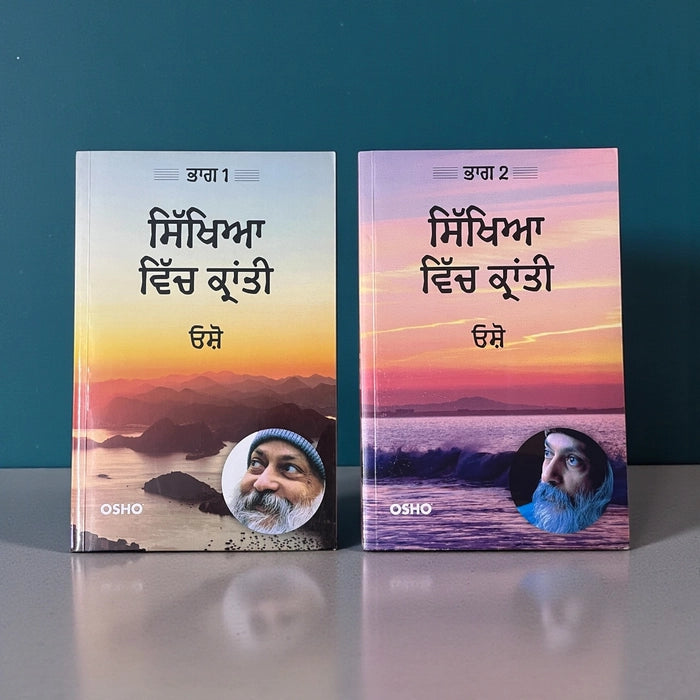
Sikhya Vich Kranti Book: Osho's Revolutionary Vision for True Education
"Sikhya Vich Kranti" (Revolution in Education) is the Punjabi translation of Osho's landmark Hindi discourse series "Shiksha Mein Kranti." Delivered in the 1960s–70s and later compiled into two volumes (Vol. 1 and Vol. 2), this work is one of Osho's most influential contributions to rethinking education. Osho (1931–1990), the visionary mystic and teacher, argues that current education systems are violent, mechanical, and soul-destroying – they produce conditioned minds, competition, fear, and conformity instead of creative, aware, and free human beings.
In these volumes (totaling over 600 pages across both books), Osho calls for a complete "kranti" (revolution) in education – shifting from outer knowledge (information) to inner growth (transformation), from competition to cooperation, from fear-based learning to love-based flowering. This is not just theory; Osho proposes practical changes and meditative approaches to raise children in awareness and joy.
Volume 1 Overview
Vol. 1 lays the foundation – a fierce critique of existing education and the seeds of a new vision:
- Critique of Modern Schooling – Osho calls schools "prisons" that kill curiosity, impose discipline through fear, and create ambitious but empty minds.
- Education as Conditioning – Children are molded to fit society – to become clerks, engineers, doctors – but not truly alive or creative.
- The Violence of Competition – Marks, ranks, exams create winners and losers, jealousy, and inferiority.
- Need for Inner Revolution – True education must awaken consciousness, not just fill memory. It should teach meditation, love, and self-knowledge.
Osho uses stories, real-life examples, and sharp logic to expose the flaws of the system.
Volume 2 Overview
Vol. 2 moves toward solutions and practical vision:
- Meditation in Education – Introduce meditation from childhood – simple awareness techniques to help children stay centered.
- Love as the Basis – Teachers should be lovers of children – not authority figures. Learning should happen in joy, not fear.
- Freedom and Creativity – No fixed syllabus; let children explore their natural talents. Education should be life-oriented, not job-oriented.
- New Teacher – The teacher must be awakened – only then can he/she help children awaken.
- Holistic Growth – Body, mind, heart, and soul – all must be nurtured equally.
Osho envisions schools as "gardens" where children bloom naturally, not factories producing uniform products.
Key Themes in Sikhya Vich Kranti (Both Volumes)
Critique of Rote Learning & Conditioning
Osho calls current education "violence against the soul" – it forces children to memorize instead of discover.
Competition vs. Cooperation
Marks and ranks create division; Osho advocates learning for joy, not comparison.
Meditation & Awareness in Childhood
Meditation should start early – helping children remain alert, sensitive, and centered.
Role of Love in Education
Love is the real foundation – fear-based teaching creates fear-based adults.
Freedom & Individuality
Every child is unique – education must honor their natural flow, not impose uniformity.
Inner Revolution Before Outer Change
Society changes only when individuals awaken – start with the child.
Osho's Writing Style in the Book
Osho's discourses in "Sikhya Vich Kranti" are direct, passionate, and often provocative – he speaks like a revolutionary teacher shaking the foundations of a broken system. The Punjabi translation retains his fiery clarity, humor, and loving concern for children.
He uses real-life stories, examples from nature, and sharp logic to make his vision clear and compelling.
Cultural and Educational Significance
"Sikhya Vich Kranti" (especially in Punjabi translation) is highly valued in Punjab and among progressive educators. It challenges traditional rote-learning systems still dominant in India and inspires alternative education movements.
Many Osho centers and meditators use its ideas for child-rearing and schooling experiments.
Osho's Legacy on Education
Osho spoke extensively on education – he established schools and meditation centers where children learned through play, art, meditation, and love. "Sikhya Vich Kranti" is his manifesto – a blueprint for raising conscious, joyful human beings.
Why Sikhya Vich Kranti Resonates Today
In an era of exam pressure, mental health crises among students, and outdated education systems, "Sikhya Vich Kranti" by Osho offers a radical yet compassionate alternative: educate the soul, not just the mind. It reminds parents, teachers, and society that true learning is about awakening – not memorizing.
Visionary, compassionate, and urgently needed, "Sikhya Vich Kranti" (Vol. 1 & 2) is essential reading – a revolutionary call to transform education from a factory of minds into a garden of awakened souls.
Provocative, loving, and eternally relevant, this work affirms Osho's genius in seeing the child as the future of humanity – and in demanding we stop crushing their wings.