

Kalam Kitaab
Dulle Di Dhaab (ਦੁੱਲੇ ਦੀ ਢਾਬ) Book – Ram Saroop Ankhi
Dulle Di Dhaab (ਦੁੱਲੇ ਦੀ ਢਾਬ) Book – Ram Saroop Ankhi
Couldn't load pickup availability
Share
"ਦੁੱਲੇ ਦੀ ਢਾਬ" ਰਾਮ ਸਰੂਪ ਅਣਖੀ ਦਾ ਇੱਕ ਬਹੁਤ ਮਸ਼ਹੂਰ ਅਤੇ ਯਥਾਰਥਵਾਦੀ ਪੰਜਾਬੀ ਨਾਵਲ ਹੈ ਜੋ ਪੰਜਾਬੀ ਪੇਂਡੂ ਜੀਵਨ ਦੀ ਅਸਲੀਅਤ, ਜ਼ਮੀਨਦਾਰੀ ਜ਼ੁਲਮ, ਕਿਰਤੀ ਵਰਗ ਦੀ ਤੜਪ, ਗਰੀਬੀ, ਸਮਾਜਿਕ ਅਸਮਾਨਤਾ, ਪਰਿਵਾਰਕ ਸੰਘਰਸ਼ ਅਤੇ ਰੂਹਾਨੀ ਬੇਚੈਨੀ ਨੂੰ ਬਹੁਤ ਗਹਿਰਾਈ, ਤੀਬਰਤਾ ਅਤੇ ਭਾਵੁਕਤਾ ਨਾਲ ਬਿਆਨ ਕਰਦਾ ਹੈ। ਸਿਰਲੇਖ "ਦੁੱਲੇ ਦੀ ਢਾਬ" ਇੱਕ ਸ਼ਕਤੀਸ਼ਾਲੀ ਰੂਪਕ ਹੈ – ਜੋ ਪਿੰਡ ਦੇ ਗਰੀਬ ਕਿਰਤੀ 'ਦੁੱਲੇ' ਦੀ ਜ਼ਿੰਦਗੀ ਨੂੰ ਇੱਕ ਅਜਿਹੀ ਢਾਬ ਵਜੋਂ ਦਰਸਾਉਂਦਾ ਹੈ ਜਿੱਥੇ ਉਹ ਆਪਣੇ ਹੱਡੀਆਂ ਤੱਕ ਘੁਟ ਰਿਹਾ ਹੈ ਪਰ ਫਿਰ ਵੀ ਜੂਝਦਾ ਰਹਿੰਦਾ ਹੈ। ਇਹ ਨਾਵਲ ਪੰਜਾਬੀ ਸਾਹਿਤ ਵਿੱਚ ਪੇਂਡੂ ਯਥਾਰਥ ਅਤੇ ਕਿਰਤੀ ਵਰਗ ਦੇ ਦਰਦ ਨੂੰ ਬਹੁਤ ਸੱਚੇ ਅਤੇ ਤੀਖੇ ਅੰਦਾਜ਼ ਵਿੱਚ ਉਜਾਗਰ ਕਰਨ ਵਾਲੀ ਅਮਰ ਰਚਨਾ ਮੰਨੀ ਜਾਂਦੀ ਹੈ ਅਤੇ ਨੌਜਵਾਨ ਪਾਠਕਾਂ ਵਿੱਚ ਬਹੁਤ ਪ੍ਰਸਿੱਧ ਹੈ।
"Dulle Di Dhaab" by Ram Saroop Ankhi is one of the most famous and realistic Punjabi novels that powerfully depicts rural Punjabi life, landlord oppression, laborers' yearning, poverty, social inequality, family struggles, and spiritual restlessness with deep intensity, emotion, and unflinching truth. The title "Dulle Di Dhaab" is a striking metaphor – portraying the poor laborer 'Dulla' as being reduced to bones (haddi) in his struggle, yet refusing to give up. This novel is an immortal masterpiece in Punjabi literature for its authentic portrayal of rural realities and working-class pain, highly loved among young readers.
Book Title: ਦੁੱਲੇ ਦੀ ਢਾਬ (Dulle Di Dhaab)
Author: ਰਾਮ ਸਰੂਪ ਅਣਖੀ (Ram Saroop Ankhi)
Language: Punjabi (Gurmukhi)
Genre: Punjabi Novel / Social Realism / Rural Literature (ਪੰਜਾਬੀ ਨਾਵਲ / ਸਮਾਜਿਕ ਯਥਾਰਥਵਾਦ / ਪੇਂਡੂ ਸਾਹਿਤ)
Publication Year: 1970s–1980s (classic edition; multiple reprints available)
Available at: Kalam Kitaab
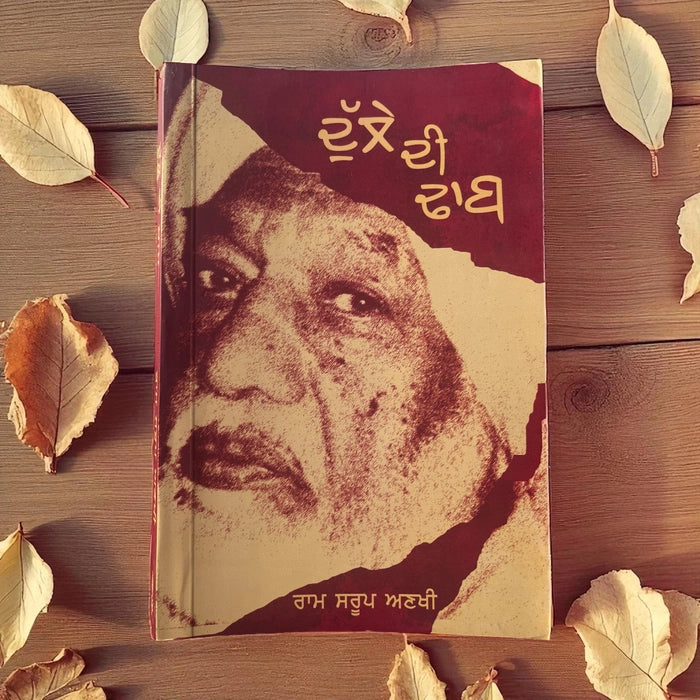
ਦੁੱਲੇ ਦੀ ਢਾਬ (Dulle Di Dhaab) – The Story of Rural Punjab, Human Struggle & Social Reality
Dulle Di Dhaab – A Living Portrait of Malwa's Culture and People
Dulle Di Dhaab by Ram Sarup Ankhi is one of the most remarkable works of Punjabi social realism where Dulle Di Dhaab becomes much more than a novel. Dulle Di Dhaab becomes a reflection of rural Punjab, especially the Malwa region, where people live amidst poverty, social challenges, traditions, aspirations, and constant struggles for survival. Ram Sarup Ankhi was widely known for portraying village life with exceptional realism, and Dulle Di Dhaab stands as a powerful example of that literary strength.
At its heart, Dulle Di Dhaab explores the lives of ordinary people whose stories are often overlooked. Through realistic characters and emotionally rich storytelling, Dulle Di Dhaab captures the social, economic, cultural, and human realities that define village life.
The Meaning Behind Dulle Di Dhaab
The title Dulle Di Dhaab itself carries strong symbolic significance. In Dulle Di Dhaab, the "Dhaab" becomes more than a physical place. It becomes a meeting point of stories, struggles, relationships, dreams, disappointments, and human experiences.
Through Dulle Di Dhaab, readers encounter:
Rural Punjab and village culture
Social inequalities and hardships
Human relationships and emotions
Economic struggles and survival
Community life and traditions
The dignity of ordinary people
Dulle Di Dhaab reminds readers that every village contains countless untold stories that shape the lives of its people.
Rural Punjab in Dulle Di Dhaab
One of the strongest aspects of Dulle Di Dhaab is its authentic portrayal of Punjab's Malwa region. Dulle Di Dhaab presents the language, customs, social structure, and daily realities of village communities with remarkable honesty. Ram Sarup Ankhi's novels are widely recognized for their deep connection to Malwa's social and cultural landscape.
In Dulle Di Dhaab, readers experience:
Agricultural life and farming communities
Traditional Punjabi customs
Family responsibilities and relationships
Economic pressures faced by rural families
The changing nature of village society
The realism of Dulle Di Dhaab allows readers to feel closely connected to the people and environment it portrays.
Human Struggle in Dulle Di Dhaab
A central theme of Dulle Di Dhaab is struggle. Throughout Dulle Di Dhaab, characters confront poverty, social limitations, personal hardships, and emotional challenges.
Dulle Di Dhaab explores:
The struggle for survival
Economic uncertainty
Social injustice
Personal sacrifices
Human resilience and determination
The characters of Dulle Di Dhaab represent ordinary people whose strength lies not in power or wealth but in their ability to endure difficult circumstances.
Human Relationships in Dulle Di Dhaab
Relationships form the emotional backbone of Dulle Di Dhaab. The novel explores how people support, challenge, love, and depend upon one another.
Family Bonds
Dulle Di Dhaab highlights the importance of family responsibilities, loyalty, and sacrifice.
Friendship and Community
Dulle Di Dhaab portrays the close social bonds that define village life.
Love and Emotional Attachment
Dulle Di Dhaab reflects the emotional connections that shape human decisions and experiences.
Conflict and Survival
Dulle Di Dhaab realistically depicts misunderstandings, social pressures, and personal struggles.
These emotional dimensions make Dulle Di Dhaab relatable and memorable.
Social Reality in Dulle Di Dhaab
One of the most important contributions of Dulle Di Dhaab is its portrayal of social reality. Dulle Di Dhaab examines issues that continue to affect rural communities.
Through Dulle Di Dhaab, readers gain insight into:
Poverty and inequality
Social hierarchy
Labor and hardship
Traditional values
Human dignity and self-respect
The novel encourages readers to reflect on society and the lives of people who often remain unseen.
Themes Explored in Dulle Di Dhaab
Rural Life and Culture
Dulle Di Dhaab presents an authentic picture of Punjabi village society.
Human Dignity
Dulle Di Dhaab emphasizes self-respect and personal integrity.
Poverty and Hardship
Dulle Di Dhaab explores economic struggles and survival.
Relationships and Community
Dulle Di Dhaab highlights the importance of human connections.
Social Reality
Dulle Di Dhaab reflects the challenges faced by ordinary people.
Hope and Resilience
Dulle Di Dhaab celebrates the strength required to continue despite adversity.
Writing Style of Dulle Di Dhaab
The writing style of Ram Sarup Ankhi in Dulle Di Dhaab is simple, realistic, emotional, and deeply rooted in Punjabi culture.
Features of Dulle Di Dhaab include:
Realistic characters
Authentic Punjabi atmosphere
Strong emotional depth
Meaningful social commentary
Rich cultural representation
Powerful storytelling
The honesty and realism of Dulle Di Dhaab continue to make it one of the notable works in Punjabi literature.
Why Dulle Di Dhaab Is Worth Reading
Authentic portrayal of rural Punjab
Strong social realism
Deep emotional impact
Meaningful human relationships
Rich Punjabi cultural atmosphere
Powerful storytelling
Timeless relevance
Dulle Di Dhaab offers readers an unforgettable journey into the heart of village life and human experience.
Final Thoughts
Dulle Di Dhaab is not merely a Punjabi novel—it is a vivid portrait of Punjab's villages, people, relationships, and struggles. Through realistic storytelling and deep social understanding, Dulle Di Dhaab captures the spirit of ordinary individuals whose lives are shaped by hardship, hope, tradition, and resilience.
The lasting strength of Dulle Di Dhaab lies in its ability to transform everyday experiences into meaningful literature. Through its memorable characters, realistic setting, and emotional depth, Dulle Di Dhaab continues to stand as an important contribution to Punjabi social and rural literature.