

Kalam Kitaab
Kaidan (ਕੈਦਣ ) Book – Ram Saroop Ankhi
Kaidan (ਕੈਦਣ ) Book – Ram Saroop Ankhi
Couldn't load pickup availability
Share
"ਕੈਦਣ" ਰਾਮ ਸਰੂਪ ਅਣਖੀ ਦਾ ਇੱਕ ਬਹੁਤ ਮਸ਼ਹੂਰ ਅਤੇ ਵਿਵਾਦਾਸਪਦ ਪੰਜਾਬੀ ਨਾਵਲ ਹੈ ਜੋ ਭਾਰਤੀ ਸਮਾਜ ਵਿੱਚ ਜੈਲ ਪ੍ਰਣਾਲੀ, ਕੈਦੀਆਂ ਦੀ ਜ਼ਿੰਦਗੀ, ਅਪਰਾਧ ਦੇ ਕਾਰਨ, ਸਮਾਜਿਕ ਅਸਮਾਨਤਾ, ਜੈਲ ਅੰਦਰ ਦੀ ਤਸੀਹ ਅਤੇ ਰੂਹਾਨੀ ਬੇਚੈਨੀ ਨੂੰ ਬਹੁਤ ਯਥਾਰਥਵਾਦੀ, ਤੀਬਰ ਅਤੇ ਭਾਵੁਕ ਅੰਦਾਜ਼ ਵਿੱਚ ਬਿਆਨ ਕਰਦਾ ਹੈ। ਸਿਰਲੇਖ "ਕੈਦਣ" ਇੱਕ ਸ਼ਕਤੀਸ਼ਾਲੀ ਰੂਪਕ ਹੈ – ਜੋ ਜੈਲ ਨੂੰ ਇੱਕ ਅਜਿਹੀ ਕੈਦਗਾਹ ਵਜੋਂ ਦਰਸਾਉਂਦਾ ਹੈ ਜਿੱਥੇ ਨਾ ਸਿਰਫ਼ ਸਰੀਰ ਸਗੋਂ ਰੂਹ ਵੀ ਕੈਦ ਹੁੰਦੀ ਹੈ। ਇਹ ਨਾਵਲ ਪੰਜਾਬੀ ਸਾਹਿਤ ਵਿੱਚ ਜੈਲ ਜੀਵਨ ਅਤੇ ਸਮਾਜਿਕ ਯਥਾਰਥ ਨੂੰ ਬਹੁਤ ਗਹਿਰਾਈ ਨਾਲ ਉਜਾਗਰ ਕਰਨ ਵਾਲੀ ਅਮਰ ਰਚਨਾ ਮੰਨੀ ਜਾਂਦੀ ਹੈ ਅਤੇ ਨੌਜਵਾਨ ਪਾਠਕਾਂ ਵਿੱਚ ਬਹੁਤ ਪ੍ਰਸਿੱਧ ਹੈ।
"Kaidan" by Ram Saroop Ankhi is one of the most famous and controversial Punjabi novels that realistically and intensely portrays prison life, prisoners' struggles, causes of crime, social inequality, torture within jails, and spiritual restlessness. The title "Kaidan" is a powerful metaphor – depicting jail as a prison not only for the body but also for the soul. This novel stands as an immortal masterpiece in Punjabi literature for its deep and unflinching depiction of prison reality and societal truths, highly loved among young readers.
Book Title: ਕੈਦਣ (Kaidan)
Author: ਰਾਮ ਸਰੂਪ ਅਣਖੀ (Ram Saroop Ankhi)
Language: Punjabi (Gurmukhi)
Genre: Punjabi Novel / Social Realism / Prison Literature (ਪੰਜਾਬੀ ਨਾਵਲ / ਸਮਾਜਿਕ ਯਥਾਰਥਵਾਦ / ਜੈਲ ਸਾਹਿਤ)
Publication Year: 1970s–1980s (classic edition; multiple reprints available)
Available at: Kalam Kitaab
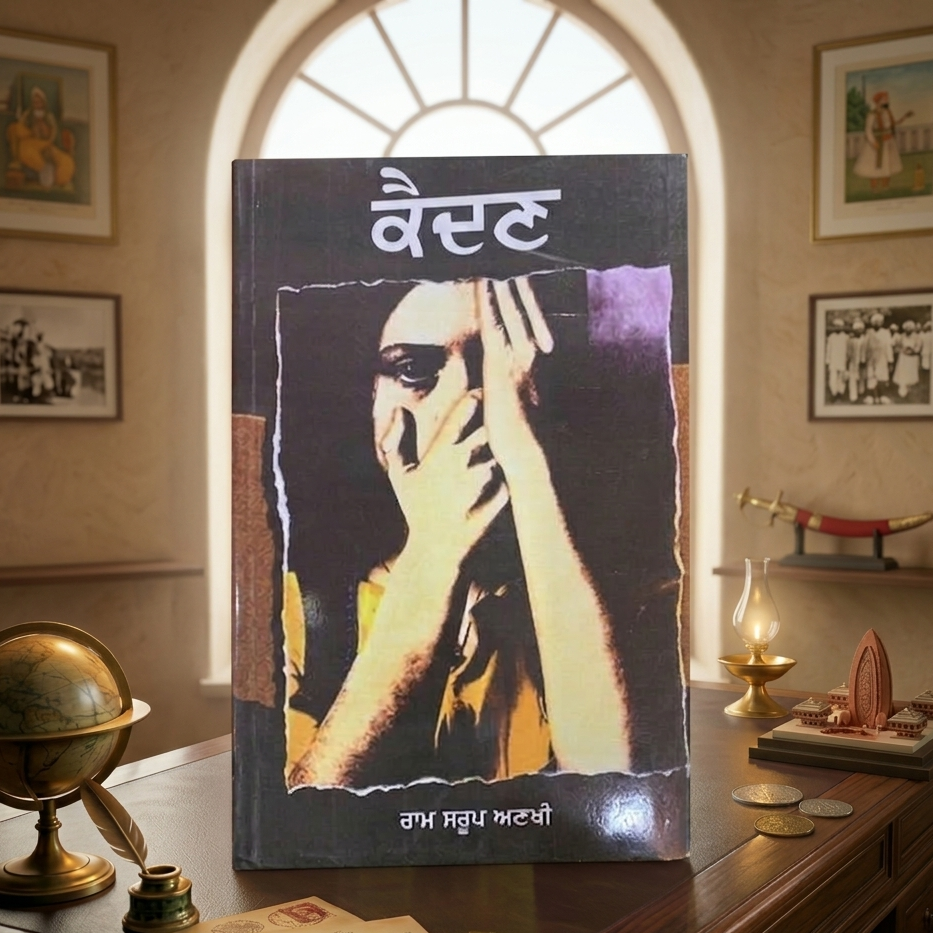
ਕੈਦਣ (Kaidan) – The Story of Human Struggle, Social Reality & The Search for Freedom
Kaidan – Understanding the Invisible Prisons of Human Life
Kaidan by Ram Sarup Ankhi is a powerful and thought-provoking Punjabi novel where Kaidan becomes much more than a story. Kaidan becomes a reflection of the invisible prisons that exist within society, traditions, relationships, poverty, fear, expectations, and human circumstances. Through realistic storytelling and emotional depth, Kaidan explores how individuals often find themselves trapped by forces beyond their control while continuously searching for dignity, freedom, and self-identity.
At its core, Kaidan examines the emotional and social realities of ordinary people. Kaidan highlights how human beings struggle against limitations imposed by society, family responsibilities, economic conditions, and personal fears. The novel presents these realities with honesty, realism, and deep understanding of human emotions.
The Central Theme of Kaidan
The title Kaidan itself carries deep symbolic meaning. While Kaidan refers to confinement and imprisonment, Kaidan suggests that the strongest prisons are often invisible. These prisons are created by social pressures, traditions, poverty, emotional burdens, and expectations.
In Kaidan, readers encounter:
Social restrictions and expectations
Emotional burdens and responsibilities
Poverty and economic limitations
Traditional values and social pressure
Fear, uncertainty, and self-doubt
The desire for freedom and self-respect
Kaidan beautifully illustrates how people can remain trapped even when there are no physical walls around them.
Society and Social Reality in Kaidan
One of the strongest aspects of Kaidan is its realistic portrayal of society. Kaidan reflects the lives of ordinary individuals who struggle against inequality, expectations, and difficult circumstances.
Through Kaidan, readers gain insight into:
Rural Punjabi life and its realities
Social customs and traditions
Family responsibilities and sacrifices
Economic hardships and survival
Human relationships and societal pressures
Kaidan remains deeply relatable because it portrays life exactly as it exists without exaggeration or artificial drama.
Human Emotions in Kaidan
Another important dimension of Kaidan is its emotional depth. Kaidan explores hopes, fears, disappointments, dreams, loneliness, and emotional conflicts that shape human lives.
The emotional world of Kaidan includes:
Hope and Despair
Kaidan reflects the emotional struggle between optimism and disappointment.
Love and Sacrifice
Kaidan highlights how relationships often demand sacrifice and compromise.
Loneliness and Belonging
Kaidan explores the human need for connection and acceptance.
Dreams and Disappointments
Kaidan portrays the reality of aspirations meeting difficult circumstances.
These emotional layers make Kaidan deeply engaging and memorable.
Freedom and Confinement in Kaidan
The idea of freedom is central to Kaidan. Throughout Kaidan, characters struggle against visible and invisible barriers that prevent them from living the life they truly desire.
Kaidan explores:
Personal freedom versus social expectations
Individual dreams versus responsibilities
Human dignity versus economic hardship
Self-expression versus social judgment
The conflict between freedom and confinement gives Kaidan its emotional power and literary depth.
Themes Explored in Kaidan
Freedom and Confinement
Kaidan explores the struggle between personal freedom and social limitations.
Society and Tradition
Kaidan reflects how customs and expectations shape individual lives.
Human Dignity
Kaidan emphasizes self-respect and the desire for a meaningful life.
Poverty and Survival
Kaidan portrays economic realities and their impact on human choices.
Hope and Resilience
Kaidan highlights the strength that allows people to continue despite hardships.
Relationships and Sacrifice
Kaidan examines the emotional complexities of family and social bonds.
Writing Style of Kaidan
The writing style of Ram Sarup Ankhi in Kaidan is simple, realistic, emotional, and deeply engaging. Kaidan combines meaningful storytelling with powerful social commentary.
Features of Kaidan include:
Realistic characters
Strong emotional depth
Powerful social observation
Thought-provoking themes
Relatable human experiences
Authentic Punjabi cultural background
Kaidan remains one of the novels that encourages readers to reflect deeply on society, relationships, and personal freedom.
Why Kaidan Feels So Relevant
Even today, Kaidan remains highly relevant because Kaidan discusses issues that continue to affect people across generations.
Kaidan addresses:
Social inequality
Economic challenges
Emotional struggles
Family pressures
Human aspirations
The search for freedom and dignity
Because these realities still exist, Kaidan continues to connect with modern readers.
Why Kaidan Is Worth Reading
Powerful social realism
Deep emotional impact
Meaningful life lessons
Strong character development
Realistic portrayal of Punjabi society
Thought-provoking exploration of freedom and identity
Timeless relevance in Punjabi literature
Final Thoughts
Kaidan is not merely a Punjabi novel—it is a reflection of human life itself. Through its exploration of social pressures, emotional struggles, poverty, relationships, dreams, and the desire for freedom, Kaidan presents a powerful portrait of the invisible prisons that shape human existence.
The lasting message of Kaidan is that true freedom begins when individuals recognize and challenge the limitations imposed by fear, circumstances, and society. Through realistic storytelling, emotional honesty, and social insight, Kaidan continues to stand as one of the most meaningful and thought-provoking works of Punjabi literature.