

Kalam Kitaab
Kankan Da Katalam (ਕਣਕਾਂ ਦਾ ਕਤਲਾਮ) Book – ਰਾਮ ਸਰੂਪ ਅਣਖੀ
Kankan Da Katalam (ਕਣਕਾਂ ਦਾ ਕਤਲਾਮ) Book – ਰਾਮ ਸਰੂਪ ਅਣਖੀ
Couldn't load pickup availability
Share
"ਕਣਕਾਂ ਦਾ ਕਤਲਾਮ" ਰਾਮ ਸਰੂਪ ਅਣਖੀ ਦਾ ਇੱਕ ਬਹੁਤ ਤੀਖਾ ਅਤੇ ਯਥਾਰਥਵਾਦੀ ਪੰਜਾਬੀ ਨਾਵਲ ਹੈ ਜੋ ਪੰਜਾਬੀ ਪੇਂਡੂ ਜੀਵਨ ਦੀ ਅਸਲੀਅਤ, ਜ਼ਮੀਨਦਾਰੀ ਜ਼ੁਲਮ, ਕਿਰਤੀ ਵਰਗ ਦੀ ਤੜਪ, ਗਰੀਬੀ, ਸਮਾਜਿਕ ਅਸਮਾਨਤਾ, ਪਰਿਵਾਰਕ ਸੰਘਰਸ਼ ਅਤੇ ਰੂਹਾਨੀ ਬੇਚੈਨੀ ਨੂੰ ਬਹੁਤ ਗਹਿਰਾਈ, ਤੀਬਰਤਾ ਅਤੇ ਭਾਵੁਕਤਾ ਨਾਲ ਬਿਆਨ ਕਰਦਾ ਹੈ। ਸਿਰਲੇਖ "ਕਣਕਾਂ ਦਾ ਕਤਲਾਮ" ਇੱਕ ਸ਼ਕਤੀਸ਼ਾਲੀ ਰੂਪਕ ਹੈ – ਜੋ ਪਿੰਡਾਂ ਅਤੇ ਕਿਰਤੀ ਜੀਵਨ ਨੂੰ ਕਣਕਾਂ (ਅਨਾਜ) ਦੇ ਕਤਲਾਮ ਵਾਂਗ ਦਰਸਾਉਂਦਾ ਹੈ ਜਿੱਥੇ ਮਿਹਨਤ ਅਤੇ ਫਸਲ ਨੂੰ ਵੀ ਜ਼ੁਲਮ ਨਾਲ ਖਤਮ ਕੀਤਾ ਜਾਂਦਾ ਹੈ, ਪਰ ਫਿਰ ਵੀ ਲੜਾਈ ਜਾਰੀ ਰਹਿੰਦੀ ਹੈ। ਇਹ ਨਾਵਲ ਪੰਜਾਬੀ ਸਾਹਿਤ ਵਿੱਚ ਪੇਂਡੂ ਯਥਾਰਥ ਅਤੇ ਕਿਰਤੀ ਵਰਗ ਦੇ ਦਰਦ ਨੂੰ ਬਹੁਤ ਸੱਚੇ ਅਤੇ ਤੀਖੇ ਅੰਦਾਜ਼ ਵਿੱਚ ਉਜਾਗਰ ਕਰਨ ਵਾਲੀ ਅਮਰ ਰਚਨਾ ਮੰਨੀ ਜਾਂਦੀ ਹੈ ਅਤੇ ਨੌਜਵਾਨ ਪਾਠਕਾਂ ਵਿੱਚ ਬਹੁਤ ਪ੍ਰਸਿੱਧ ਹੈ।
"Kankan Da Katalam" by Ram Saroop Ankhi is one of the most intense and realistic Punjabi novels that powerfully portrays rural Punjabi life, landlord oppression, laborers' pain, poverty, social inequality, family conflicts, and spiritual restlessness with deep depth, intensity, and emotion. The title "Kankan Da Katalam" is a powerful metaphor – depicting rural life and working-class existence as a "massacre of wheat grains" where hard-earned crops and labor are crushed under oppression, yet the fight continues. This novel is an immortal masterpiece in Punjabi literature for its unflinching portrayal of rural realities and working-class suffering, highly loved among young readers.
Book Title: ਕਣਕਾਂ ਦਾ ਕਤਲਾਮ (Kankan Da Katalam)
Author: ਰਾਮ ਸਰੂਪ ਅਣਖੀ (Ram Saroop Ankhi)
Language: Punjabi (Gurmukhi)
Genre: Punjabi Novel / Social Realism / Rural Literature (ਪੰਜਾਬੀ ਨਾਵਲ / ਸਮਾਜਿਕ ਯਥਾਰਥਵਾਦ / ਪੇਂਡੂ ਸਾਹਿਤ)
Publication Year: 1970s–1980s (classic edition; multiple reprints available
Available at: Kalam Kitaab
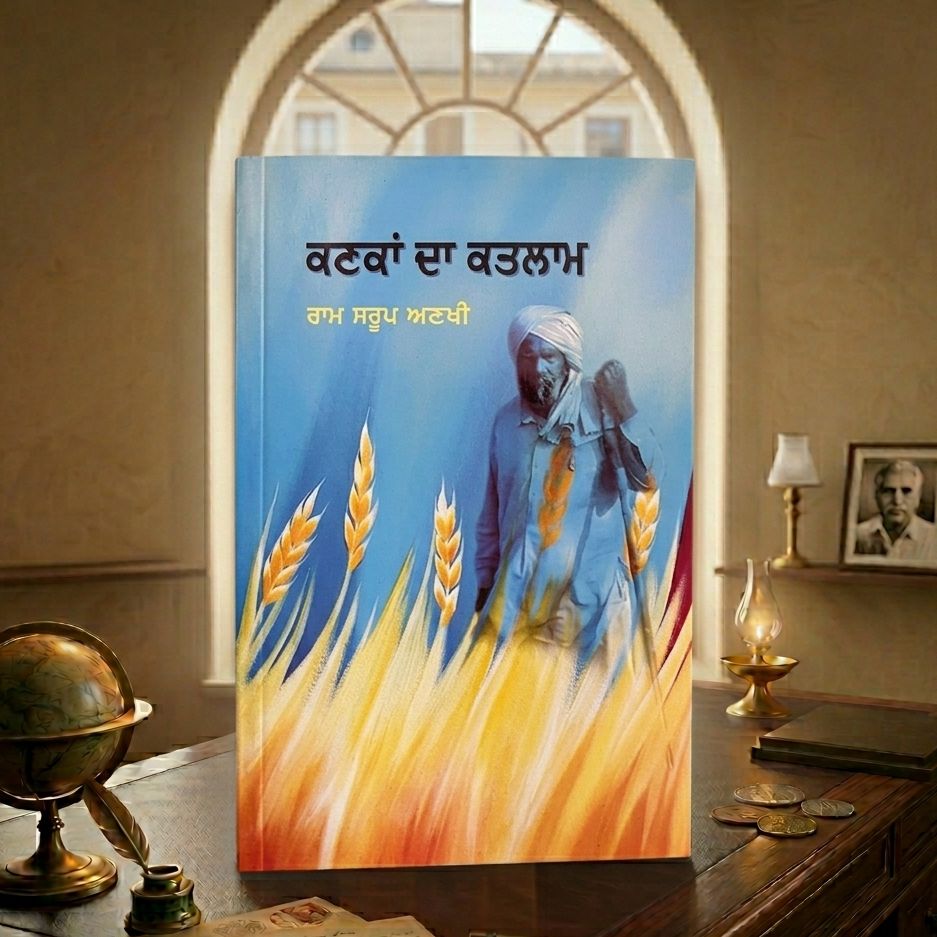
Kankan Da Katalam – A Powerful Reflection of Agricultural Crisis and Human Suffering
Kankan Da Katalam by Ram Sarup Ankhi is one of the most powerful works of Punjabi social literature where Kankan Da Katalam becomes much more than a novel. Kankan Da Katalam becomes the voice of Punjab's farmers, laborers, and rural communities whose lives revolve around the land, crops, and the uncertain realities of agriculture. Through emotional storytelling and social realism, Kankan Da Katalam explores poverty, debt, exploitation, crop destruction, economic hardship, and the emotional pain carried by farming families.
At its heart, Kankan Da Katalam reflects the tragedy of people whose lives depend upon the harvest. In Kankan Da Katalam, the destruction of crops becomes a symbol of broken dreams, lost opportunities, and shattered hopes. Kankan Da Katalam presents the reality that when crops fail, it is not only the fields that suffer, but entire families and communities.
The Meaning Behind Kankan Da Katalam
The title Kankan Da Katalam itself carries deep emotional and symbolic meaning. While Kankan Da Katalam refers to the destruction of wheat and agricultural prosperity, Kankan Da Katalam also symbolizes the destruction of hopes, dreams, livelihoods, and years of hard work.
Through Kankan Da Katalam, readers witness:
- The pain of failed harvests
- Economic uncertainty and debt
- The struggles of farmers
- Rural hardship and survival
- Emotional suffering caused by loss
- The resilience of ordinary people
Kankan Da Katalam reminds readers that agriculture is not merely an occupation—it is the foundation of countless lives.
Rural Punjab in Kankan Da Katalam
One of the greatest strengths of Kankan Da Katalam is its authentic portrayal of rural Punjab. Kankan Da Katalam captures village life, farming culture, labor, traditions, relationships, and the realities faced by agricultural communities.
In Kankan Da Katalam, readers experience:
- Agricultural life and farming practices
- The dependence on seasonal harvests
- Village relationships and social structures
- Economic pressures on farming families
- The emotional connection between farmers and their land
Because of this realism, Kankan Da Katalam remains deeply relatable for readers connected to rural life.
Farmers and Their Struggles in Kankan Da Katalam
The central focus of Kankan Da Katalam is the life of the farmer. Throughout Kankan Da Katalam, Ram Sarup Ankhi highlights the sacrifices, labor, and hardships experienced by those who cultivate the land.
Kankan Da Katalam explores:
- Endless hard work and uncertainty
- Financial burdens and debt
- Natural disasters and crop loss
- Social and economic exploitation
- Emotional stress and responsibility
The farmers in Kankan Da Katalam represent millions of individuals whose efforts sustain society while their own lives remain filled with challenges.
Poverty and Economic Hardship in Kankan Da Katalam
A major theme of Kankan Da Katalam is poverty and economic struggle. Kankan Da Katalam realistically portrays how a single failed crop can affect an entire family’s future.
Through Kankan Da Katalam, readers understand:
- The cycle of debt and hardship
- Economic vulnerability of farmers
- Social inequality and injustice
- Dependence on uncertain harvests
- The emotional consequences of financial loss
Kankan Da Katalam presents these realities with honesty and compassion.
Human Emotions in Kankan Da Katalam
Beyond its social themes, Kankan Da Katalam is deeply emotional. Kankan Da Katalam explores the hopes, fears, disappointments, sacrifices, and resilience of ordinary people.
The emotional world of Kankan Da Katalam includes:
Hope and Expectations
Kankan Da Katalam reflects the dreams attached to every harvest.
Pain and Loss
Kankan Da Katalam portrays the heartbreak of seeing hard work destroyed.
Family and Responsibility
Kankan Da Katalam highlights the sacrifices made for loved ones.
Courage and Survival
Kankan Da Katalam celebrates the strength to continue despite adversity.
These emotional dimensions make Kankan Da Katalam both powerful and unforgettable.
Themes Explored in Kankan Da Katalam
Agriculture and Rural Life
Kankan Da Katalam presents the realities of farming communities.
Poverty and Debt
Kankan Da Katalam explores financial hardship and economic insecurity.
Human Dignity
Kankan Da Katalam emphasizes self-respect despite difficult circumstances.
Social Inequality
Kankan Da Katalam highlights exploitation and injustice.
Hope and Resilience
Kankan Da Katalam shows the determination of people facing challenges.
Family and Sacrifice
Kankan Da Katalam reflects emotional bonds and responsibilities.
Writing Style of Kankan Da Katalam
The writing style of Ram Sarup Ankhi in Kankan Da Katalam is simple, realistic, emotional, and deeply rooted in Punjabi culture. Kankan Da Katalam combines powerful storytelling with meaningful social observation.
Features of Kankan Da Katalam include:
- Realistic characters
- Strong emotional impact
- Authentic rural atmosphere
- Deep social awareness
- Thought-provoking themes
- Powerful narrative flow
The honesty and realism of Kankan Da Katalam make it one of the most significant works of Punjabi social literature.
Why Kankan Da Katalam Remains Relevant
Even today, Kankan Da Katalam remains highly relevant because many of the issues explored in Kankan Da Katalam continue to affect farming communities.
Kankan Da Katalam speaks about:
- Agricultural challenges
- Economic uncertainty
- Farmers' struggles
- Social inequality
- Human resilience
- The importance of rural communities
These timeless concerns allow Kankan Da Katalam to connect with modern readers across generations.
Why Kankan Da Katalam Is Worth Reading
- Powerful portrayal of farmers' lives
- Deep emotional impact
- Authentic rural Punjabi setting
- Strong social realism
- Meaningful life lessons
- Memorable characters
- Timeless relevance in Punjabi literature
Final Thoughts
Kankan Da Katalam is not merely a Punjabi novel—it is a moving reflection of Punjab's agricultural life, human suffering, resilience, and hope. Through realistic storytelling and emotional honesty, Kankan Da Katalam gives voice to farmers and rural communities whose struggles often remain unseen.
The enduring strength of Kankan Da Katalam lies in its ability to transform the story of a crop into a powerful story of human life, dignity, sacrifice, and survival. That is why Kankan Da Katalam continues to be remembered as one of Ram Sarup Ankhi's most meaningful and socially significant works.