


Kalam Kitaab
ਆਰਤੀ (Aarti) – Shiv Kumar Batalvi
ਆਰਤੀ (Aarti) – Shiv Kumar Batalvi
Couldn't load pickup availability
Share
"ਆਰਤੀ" (1971) is one of Shiv Kumar Batalvi's most celebrated and emotionally intense poetry collections in Punjabi literature. The title "Aarti" literally means "prayer" or "devotional invocation," but in Batalvi's hands it becomes a powerful metaphor for the soul's burning offering of love, pain, longing, and surrender to the divine beloved. The book is a landmark in modern Punjabi poetry, blending intense romanticism, mystical devotion, and raw human suffering into verses that feel like sacred cries of the heart.
"ਆਰਤੀ" (1971) ਸ਼ਿਵ ਕੁਮਾਰ ਬਟਾਲਵੀ ਦੇ ਸਭ ਤੋਂ ਮਸ਼ਹੂਰ ਅਤੇ ਭਾਵੁਕ ਕਵਿਤਾ ਸੰਗ੍ਰਹਿ ਵਿੱਚੋਂ ਇੱਕ ਹੈ। ਸਿਰਲੇਖ "ਆਰਤੀ" ਦਾ ਅਰਥ "ਅਰਦਾਸ" ਜਾਂ "ਰੱਬੀ ਪ੍ਰਾਰਥਨਾ" ਹੈ, ਪਰ ਬਟਾਲਵੀ ਦੇ ਹੱਥਾਂ ਵਿੱਚ ਇਹ ਪਿਆਰ, ਦਰਦ, ਤੜਪ ਅਤੇ ਰੱਬੀ ਪ੍ਰੇਮੀ ਨੂੰ ਅਰਪਣ ਦਾ ਸ਼ਕਤੀਸ਼ਾਲੀ ਰੂਪ ਬਣ ਜਾਂਦਾ ਹੈ। ਇਹ ਸੰਗ੍ਰਹਿ ਆਧੁਨਿਕ ਪੰਜਾਬੀ ਕਵਿਤਾ ਵਿੱਚ ਇੱਕ ਮੀਲ ਪੱਥਰ ਹੈ, ਜੋ ਤੀਬਰ ਰੋਮਾਂਟਿਕਤਾ, ਰਹੱਸਮਈ ਭਗਤੀ ਅਤੇ ਮਨੁੱਖੀ ਵੇਦਨਾ ਨੂੰ ਪਵਿੱਤਰ ਅਰਦਾਸ ਵਿੱਚ ਬਦਲ ਦਿੰਦਾ ਹੈ।
Book Title: ਆਰਤੀ (Aarti)
Author: Shiv Kumar Batalvi
Language: Punjabi (Gurmukhi)
Publication Year: 1971
Genre: Devotional-Romantic Poetry Collection (ਭਗਤੀ-ਰੋਮਾਂਟਿਕ ਕਵਿਤਾ ਸੰਗ੍ਰਹਿ)
Available at: Kalam Kitaab

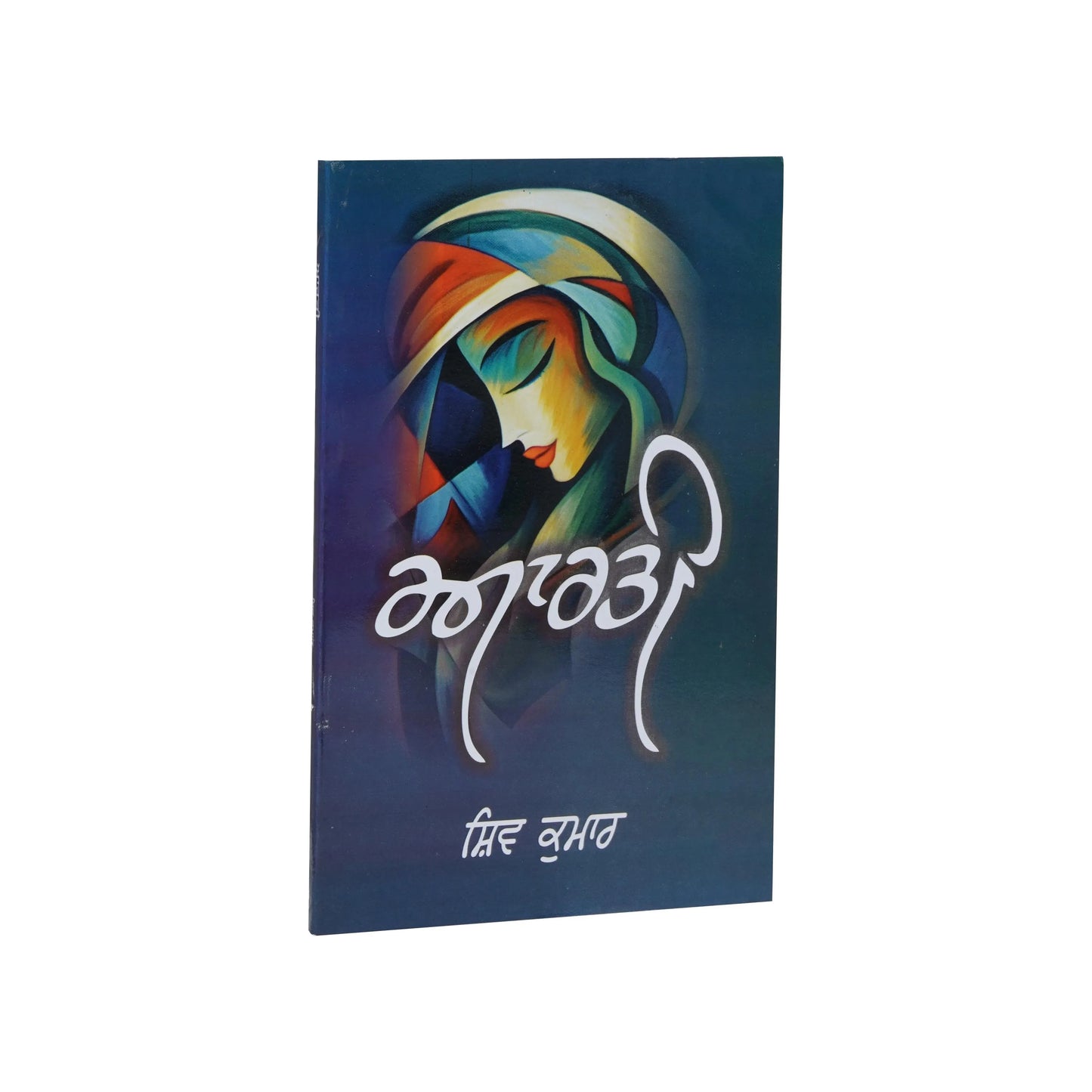
Aarti Book: Shiv Kumar Batalvi's Sacred Offering of Love & Pain
"Aarti book," published in 1971, is one of Shiv Kumar Batalvi's most iconic and emotionally overwhelming poetry collections. At this point in his career, Batalvi had already established himself as the "Birha da Sultan" (King of Longing), and "Aarti" represents the peak of his devotional-romantic genius. The title poem and the entire collection transform the traditional Hindu/Sikh ritual of aarti (waving light before the deity) into a deeply personal and universal act of offering – where the poet's tears, burning heart, and unending yearning become the lamp, flame, and song waved before the divine beloved (Ram/Krishna/God).
This collection is not just poetry – it is a sacred cry, a mystical love letter, and a spiritual testament to the transformative power of pain when offered in total love. The poems are intensely lyrical, rhythmic, and devotional, often feeling like they could be sung as kirtan or qawwali.
Key Poems & Structure in the Book
"Aarti" is a collection of distinct poems rather than a single long narrative. Some of the most famous and powerful poems included are:
- Aarti (the title poem) – The most celebrated piece, where the poet offers his tears as ghee, his heart as the flame, and his longing as the song in the divine aarti.
- ਆਵਾਜ਼ (Awaaz) – A haunting exploration of inner voice and divine call.
- ਅੱਜ ਫੇਰ ਦਿਲ ਗਰੀਬ ਇੱਕ (Aj Pher Dil Ghareeb Ik) – A deeply moving poem of the lonely, poor heart.
- ਅਰਜੋਈ (Arjoee) – Pleading and yearning in the voice of a lover.
- ਬਿਰਹੜਾ–ਲੋਕੀਂ ਪੂਜਣ ਰੱਬ (Birhara – Lokin Pujan Rab) – Separation itself becomes a form of worship.
- ਬੁੱਢਾ ਘਰ (Buddha Ghar) – Aging and the empty house of the heart.
- ਬੁੱਢਾ ਸ਼ਹਿਰ (Buddha Shehar) – The old city of memories and loss.
- ਚੀਰ-ਹਰਨ (Cheer-Haran) – Symbolic tearing apart of the self.
- ਦਾਨ (Daan) – Offering everything as a gift to the beloved.
- ਦਰ (Dar) – The door of the divine, the threshold of longing.
Other notable poems in the collection include:
- ਇਸ਼ਤਿਹਾਰ–ਇੱਕ ਕੁੜੀ ਜਿਦਾ ਨਾਮ (Ishtihar – Ik Kuri Jidha Naam)
- ਕਰਜ਼ (Karz)
- ਕੀ ਪੁੱਛਦਿਓ ਹਾਲ ਫਕੀਰਾਂ ਦਾ (Ki Puchhdio Haal Fakiran Da)
- ਕਿਸਮਤ (Kismat)
- ਲੋਹੇ ਦਾ ਸ਼ਹਿਰ (Lohe Da Shehar)
Key Themes in Aarti Book
Divine Longing & Birha
The soul's separation from God is portrayed as the deepest form of love – painful yet ecstatic.
Pain as Sacred Offering
Tears, broken heart, burning desire – all become the materials of aarti, turning suffering into worship.
Total Surrender
The poet offers everything – body, mind, soul – with no holding back, no conditions.
Feminine Mystical Voice
Batalvi continues his signature feminine perspective – the longing woman (soul) offering herself to the divine lover.
Ecstasy Within Agony
The paradox of joy in pain – birha is not despair; it is divine intoxication and union in separation.
Shiv Kumar Batalvi's Poetic Style in the Book
Batalvi's language in "Aarti" is intensely lyrical, rhythmic, and devotional – almost like a living prayer or kirtan. His use of repetition, alliteration, natural imagery (flames, lamps, tears, heart), and direct address to the divine creates a hypnotic, emotional pull. The poems feel like they are being sung – passionate, raw, and deeply moving.
Cultural and Spiritual Significance
"Aarti" is one of Batalvi's most performed and sung collections in Punjab – recited in kirtan sessions, Sufi gatherings, literary events, and personal devotion. It bridges Sikh bhakti (devotion to Ram as inner divine), Hindu aarti ritual, and Sufi longing, making it universally loved across communities.
The title poem is frequently sung to soulful ragas and remains a favorite for expressing deep spiritual yearning and surrender.
Why Aarti Resonates Today
In a world of distraction and emotional numbness, Shiv Kumar Batalvi's "Aarti" offers a powerful reminder: true love – human or divine – is total offering, even when it hurts. It speaks to anyone who has felt the ache of longing, the beauty of surrender, or the sacredness hidden in pain.
Tender, intense, and eternally devotional, "Aarti" is essential reading – Batalvi's masterpiece that turns separation into the highest form of union.
Lyrical, mystical, and profoundly moving, "Aarti" affirms Shiv Kumar Batalvi's genius in transforming personal longing into universal worship.