

Kalam Kitaab
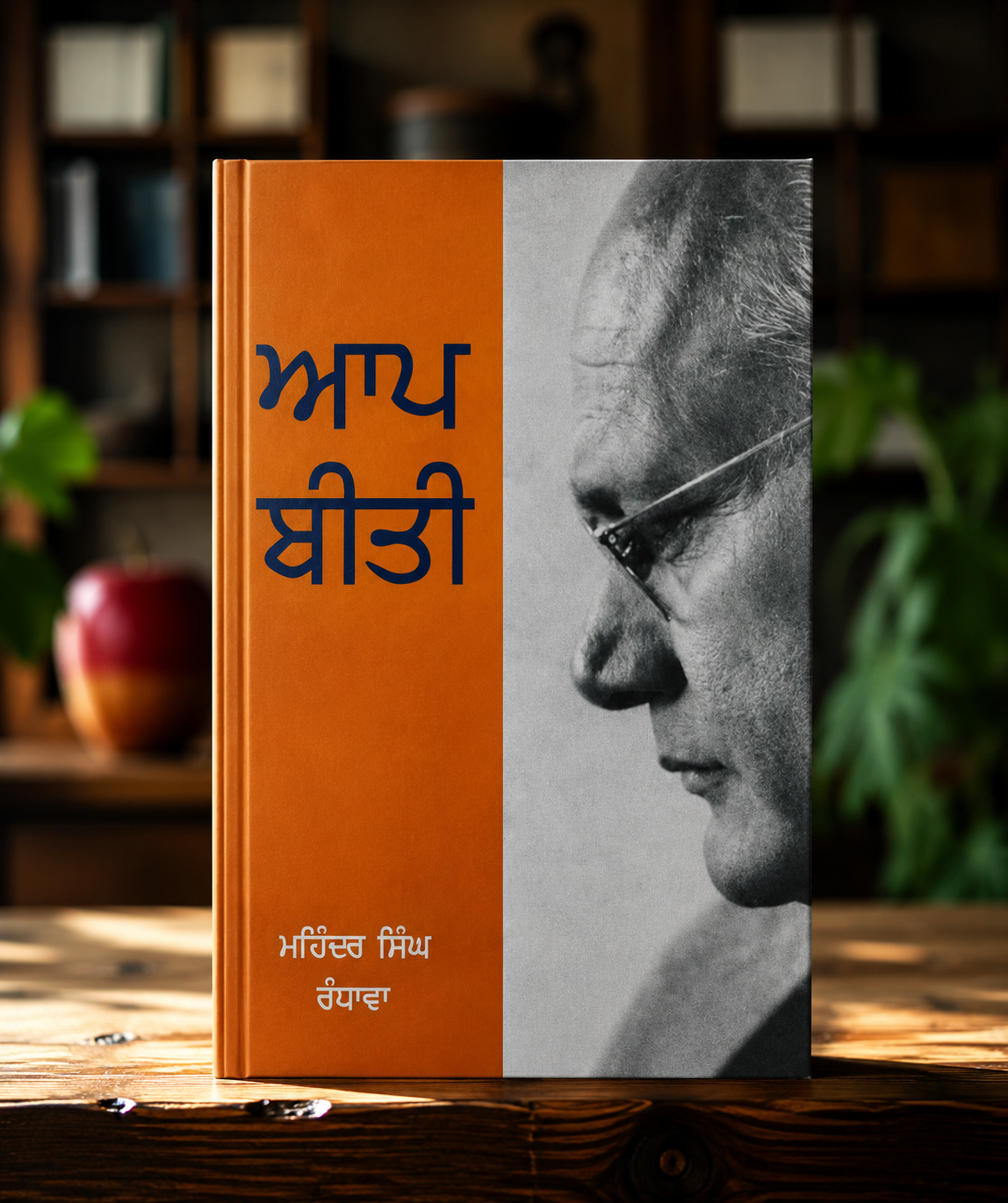
ਆਪ ਬੀਤੀ (Aap Beeti) Book – M S Randhawa
ਆਪ ਬੀਤੀ (Aap Beeti) Book – M S Randhawa
Couldn't load pickup availability
Share
"ਆਪ ਬੀਤੀ" ਮੋਹਿੰਦਰ ਸਿੰਘ ਰੰਧਾਵਾ ਦੀ ਇੱਕ ਬਹੁਤ ਮਸ਼ਹੂਰ ਅਤੇ ਭਾਵੁਕ ਪੰਜਾਬੀ ਆਤਮਕਥਾ ਹੈ ਜੋ ਉਨ੍ਹਾਂ ਦੇ ਜੀਵਨ ਦੀਆਂ ਅਸਲ ਘਟਨਾਵਾਂ, ਸੰਘਰਸ਼ਾਂ, ਪ੍ਰੇਰਨਾਵਾਂ ਅਤੇ ਪੰਜਾਬੀ ਸਾਹਿਤ ਅਤੇ ਸੱਭਿਆਚਾਰ ਲਈ ਯੋਗਦਾਨ ਨੂੰ ਬਹੁਤ ਸੱਚਾਈ ਅਤੇ ਸੰਵੇਦਨਸ਼ੀਲਤਾ ਨਾਲ ਬਿਆਨ ਕਰਦੀ ਹੈ। ਇਹ ਕਿਤਾਬ ਪੰਜਾਬ ਦੇ ਵੰਡ ਵੇਲੇ ਦੇ ਦਰਦ, ਪ੍ਰਕਿਰਤੀ ਪ੍ਰੇਮ, ਪ੍ਰਸ਼ਾਸਨਿਕ ਜੀਵਨ ਅਤੇ ਸਾਹਿਤਕ ਯਾਤਰਾ ਦੀ ਗਹਿਰੀ ਝਲਕ ਦਿੰਦੀ ਹੈ – ਇੱਕ ਅਜਿਹੀ ਆਤਮਕਥਾ ਜੋ ਪੰਜਾਬੀ ਸਾਹਿਤ ਦੀ ਅਮੀਰ ਵਿਰਾਸਤ ਦਾ ਹਿੱਸਾ ਹੈ।
"Aap Beeti" by Mohinder Singh Randhawa is one of the most acclaimed and heartfelt Punjabi autobiographies. It honestly narrates his personal life, struggles, inspirations, contributions to Punjabi literature, and service during the traumatic Partition era. The book offers deep insights into Punjab's pain, love for nature, administrative life, and literary journey – a timeless classic in Punjabi autobiographical literature.
Book Title: ਆਪ ਬੀਤੀ (Aap Beeti)
Author: ਮੋਹਿੰਦਰ ਸਿੰਘ ਰੰਧਾਵਾ (Mohinder Singh Randhawa)
Language: Punjabi (Gurmukhi)
Genre: Autobiography / Memoir (ਆਤਮਕਥਾ / ਜੀਵਨੀ)
Publication Year: First published in 1974 (multiple reprints available)
Available at: Kalam Kitaab
🌟 Introduction: The Life and Vision of Mohinder Singh Randhawa
Mohinder Singh Randhawa (2 February 1909 – 3 March 1986) was one of the most dynamic and multidimensional personalities of twentieth-century India. A distinguished civil servant, botanist, scholar, historian, writer, and cultural visionary, Randhawa’s life represents a rare synthesis of administration, intellect, and artistic sensibility. He was not merely an officer in government service; he was a builder of institutions, a guardian of Punjabi heritage, and a thinker deeply committed to the social and cultural upliftment of society.
Often lovingly referred to as “Punjab da Chhewan Dariya” (The Sixth River of Punjab), Randhawa symbolized the flowing spirit of Punjab’s culture, agriculture, and art. His autobiography, Aap Beeti, stands as an enduring testimony to his remarkable journey, documenting both his personal experiences and the dramatic transformation of India during colonial rule, independence, and the post-Partition era.
👶 Early Life and Family Background
Roots in Punjab
Mohinder Singh Randhawa was born on 2 February 1909 in Zira, in the Ferozepur district of Punjab (then part of British India). His family originally belonged to the village of Bodalan in Hoshiarpur district. He was born into a Sikh Jatt family, and his upbringing was shaped by strong rural values, discipline, and a deep connection with land and tradition.
His father, Sher Singh Randhawa, was a respected figure, and his mother, Bachint Kaur, played a vital role in shaping his moral character. From an early age, Randhawa displayed intellectual curiosity and a strong inclination toward learning.
Education and Academic Excellence
Randhawa completed his matriculation from Khalsa High School, Muktsar, in 1924. He then pursued higher studies at Government College, Lahore—one of the most prestigious institutions in northern India at the time. There he completed his F.Sc., B.Sc. (Honours), and M.Sc. (Honours) in Botany by 1930.
His academic brilliance was evident early on. His interest in botany and plant sciences was not superficial; it developed into lifelong scholarly engagement. In 1955, he earned a Doctor of Science (D.Sc.) degree from the University of the Punjab for his research on algae, particularly the Zygnemataceae family. This scientific grounding would later influence his contributions to agriculture and environmental planning.
🛂 Entry into the Indian Civil Service (ICS)
A Prestigious Beginning
In 1934, Randhawa achieved one of the highest distinctions of his time—selection into the Indian Civil Service (ICS). The ICS was considered the elite administrative machinery of British India, and entry into it required exceptional merit and determination.
After completing training in the United Kingdom, he was allotted to the United Provinces (present-day Uttar Pradesh). Over the next decade, he served in various districts, gaining firsthand administrative experience.
Administrative Philosophy
Even as a young officer, Randhawa distinguished himself by combining efficiency with empathy. He believed that governance was not merely about law enforcement but about understanding the social realities of people. His rural background and academic depth gave him a unique perspective in handling land, agriculture, and social welfare matters.
🇮🇳 Role During India’s Independence and Partition
Deputy Commissioner of Delhi
In 1946–47, Randhawa served as Deputy Commissioner of Delhi during one of the most historic and turbulent periods in Indian history. He was in charge during the time India gained independence from British rule.
It was under his administrative supervision that the arrangements were made for Prime Minister Jawaharlal Nehru to deliver the iconic “Tryst with Destiny” speech on the midnight of 14–15 August 1947.
Managing the Partition Crisis
However, independence also brought the trauma of Partition. Millions were displaced, communal violence erupted, and Delhi became a center of refugee influx. As Deputy Commissioner, Randhawa faced the overwhelming challenge of maintaining law and order while organizing relief and rehabilitation for refugees arriving from West Punjab (now in Pakistan).
His role required immense courage, administrative clarity, and humanitarian sensitivity. The experience left a deep impression on him, later reflected in his writings.
🏠 Rehabilitation and Reconstruction of Punjab
Director-General of Rehabilitation
After Partition, Randhawa was appointed Director-General of Rehabilitation in Punjab. This was perhaps one of the most complex administrative tasks in newly independent India.
He was responsible for:
Allocating land to displaced farmers
Resettling urban refugees
Organizing housing and livelihood support
Reconstructing rural infrastructure
The task required not just bureaucratic efficiency but vision and compassion. His efforts played a major role in stabilizing post-Partition Punjab.
Building Confidence Among the Displaced
Randhawa understood that rehabilitation was not merely about physical resettlement—it was about restoring dignity and confidence. Through systematic planning and fairness, he helped thousands rebuild their lives.
🌾 Contribution to Agriculture and the Green Revolution
Work with Agricultural Institutions
Randhawa’s academic background in botany naturally led him toward agricultural policy and research. He served as Secretary and later Vice-President of the Indian Council of Agricultural Research (ICAR).
He contributed significantly to:
Agricultural research planning
Crop improvement programs
Institutional reforms in agricultural education
Foundation of Punjab Agricultural University
One of his landmark achievements was his instrumental role in establishing Punjab Agricultural University in Ludhiana. The university became a central pillar of agricultural transformation in northern India.
The scientific research and farmer training programs initiated there contributed to the success of India’s Green Revolution, which dramatically increased food production and reduced famine risk.
🏙️ Chandigarh: The City Beautiful
Administrative Leadership in Planning
After Partition, Punjab needed a new capital, as Lahore had gone to Pakistan. The new city of Chandigarh was conceived as a symbol of modern India.
The city’s master plan was designed by the famous architect Le Corbusier, but Randhawa played a crucial administrative role in implementing the vision. He served as chairman of the planning and development committee overseeing the city’s execution.
Integrating Nature and Urban Design
Randhawa ensured that Chandigarh was not merely a concrete administrative hub but a city enriched with gardens, green belts, and aesthetic harmony. His sensitivity toward landscape and ecology shaped the city’s character.
Today, Chandigarh stands as one of India’s most well-planned and environmentally balanced cities—an enduring testament to collaborative vision and disciplined execution.
🎨 Patron of Punjabi Art and Culture
Preservation of Heritage
Beyond administration, Randhawa was deeply passionate about Punjabi art, history, and culture. He believed that modernization should not erase cultural roots.
He worked to promote:
Punjabi miniature paintings
Folk traditions
Sikh heritage studies
Historical documentation
Establishment of Cultural Institutions
Randhawa was instrumental in founding the Punjab Arts Council, which later evolved into a significant cultural body promoting arts in the region.
He also helped develop the Government Museum and Art Gallery in Chandigarh, preserving invaluable collections of Gandharan art and Pahari miniatures.
✍️ Literary Contributions and Writings
A Prolific Author
Randhawa authored more than 30 books in Punjabi and English. His works covered:
History of Punjab
Sikh heritage
Agriculture
Art and architecture
Autobiography
His autobiography, Aap Beeti, is particularly significant as it intertwines personal narrative with national history.
Writing Style and Intellectual Depth
His writing style is reflective, direct, and thoughtful. He avoided exaggeration and wrote with honesty and clarity. His works remain important reference points for scholars of Punjabi history and culture.
🌿 Environmental Awareness and Love for Nature
Botanical Scholarship
As a trained botanist, Randhawa maintained lifelong engagement with plant sciences. His research on algae was academically significant.
Landscape Vision
His botanical knowledge influenced:
Urban landscaping in Chandigarh
Agricultural development planning
Environmental awareness initiatives
He understood early the importance of balancing development with ecological preservation.
🏅 Honors and Recognition
In recognition of his immense contributions, Randhawa received several awards and honors. Among them was the Padma Bhushan, one of India’s highest civilian awards, acknowledging his service in public administration and culture.
He was also widely respected in academic and literary circles across Punjab and India.
🧠 Philosophy and Personal Values
Integrity and Service
Randhawa’s life philosophy centered on:
Integrity in public life
Commitment to education
Respect for cultural heritage
Compassion in governance
He believed administration must serve society, not dominate it.
Cultural Identity with Modern Outlook
He embraced modernization but insisted it must harmonize with tradition. This balance defined both his administrative work and cultural initiatives.
🕊️ Final Years and Legacy
Mohinder Singh Randhawa passed away on 3 March 1986. However, his legacy continues through institutions, writings, and the landscapes he helped shape.
His influence can still be seen in:
Punjab’s agricultural prosperity
Chandigarh’s urban beauty
Preservation of Punjabi art and history
Academic scholarship in botany and culture
📚 Conclusion: A Life That Shaped Modern Punjab
The life of Mohinder Singh Randhawa represents a rare blend of science, governance, culture, and vision. Few individuals manage to excel in administration, academia, literature, and art simultaneously. Randhawa did so with humility and dedication.
He was not just a civil servant but a nation builder. Not just a scholar but a cultural guardian. Not just an administrator but a compassionate human being.
Through his work in rehabilitation, agriculture, urban planning, and cultural preservation, he helped shape modern Punjab and contributed significantly to post-independence India.
His autobiography Aap Beeti ensures that future generations can learn not only about historical events but about the mindset of a man who lived through them with courage, intellect, and integrity.
Mohinder Singh Randhawa remains a towering figure in the history of Punjab—a true “Sixth River” whose influence continues to flow through the region’s intellectual and cultural life.